Image 1 of 3
 Image 2 of 3
 Image 3 of 3
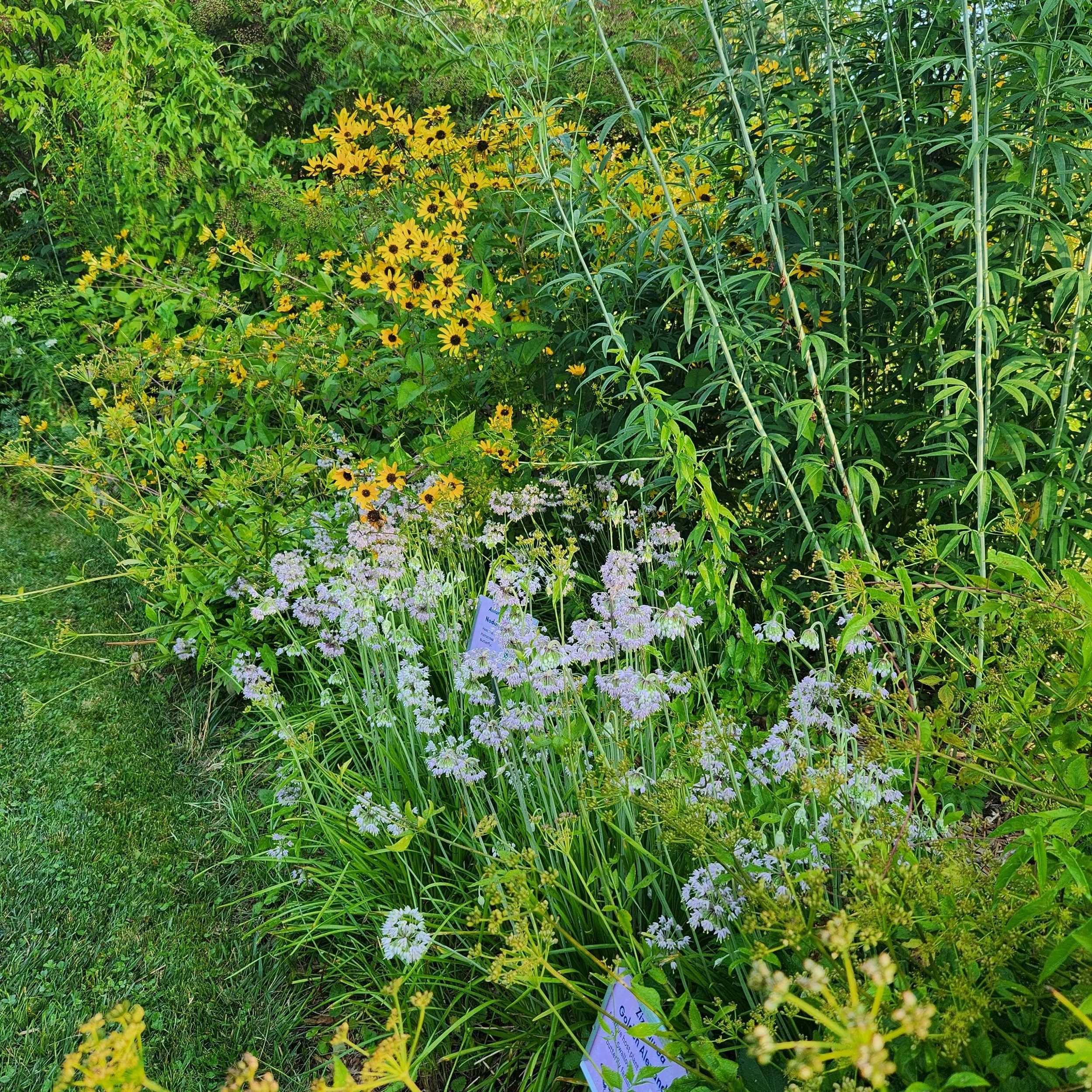
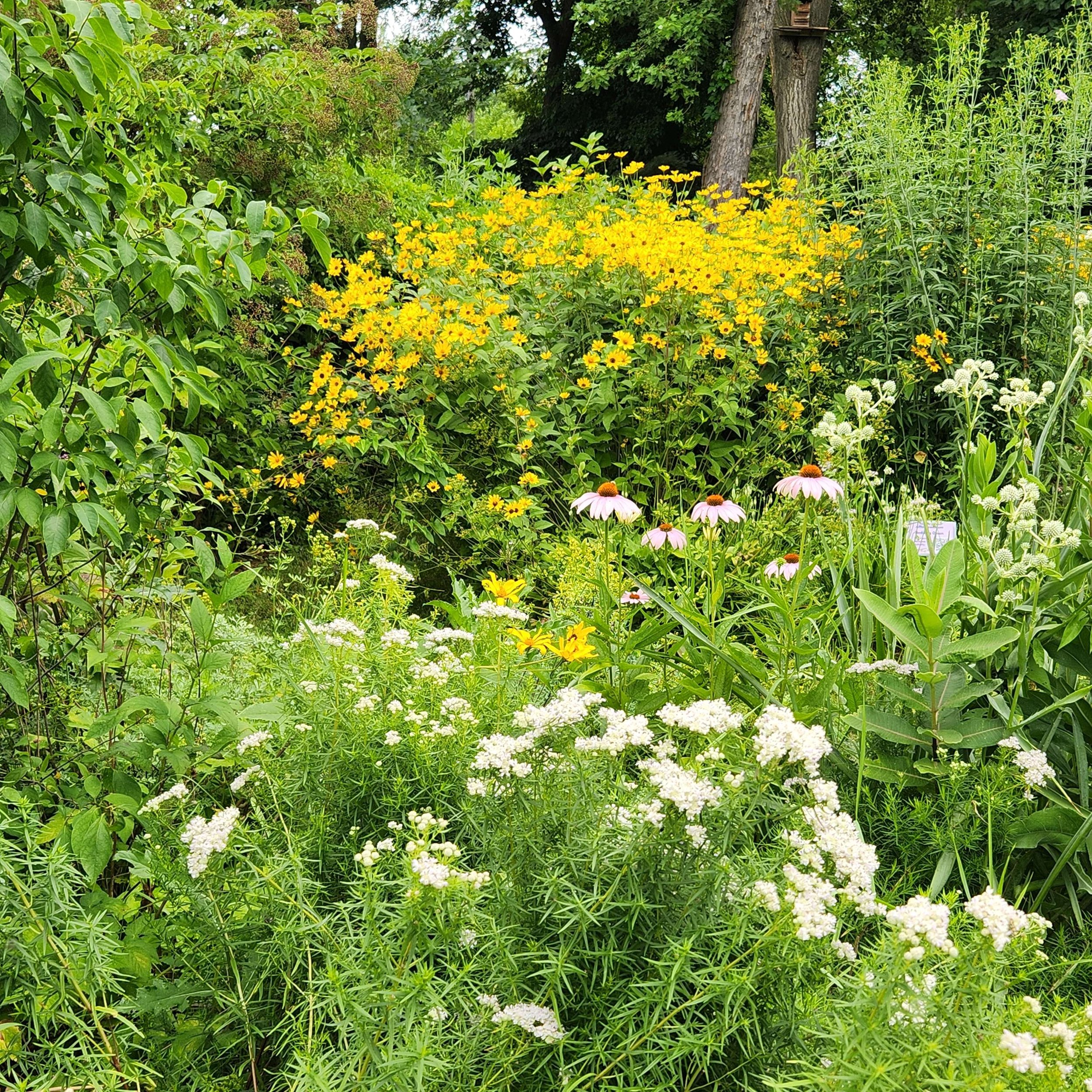
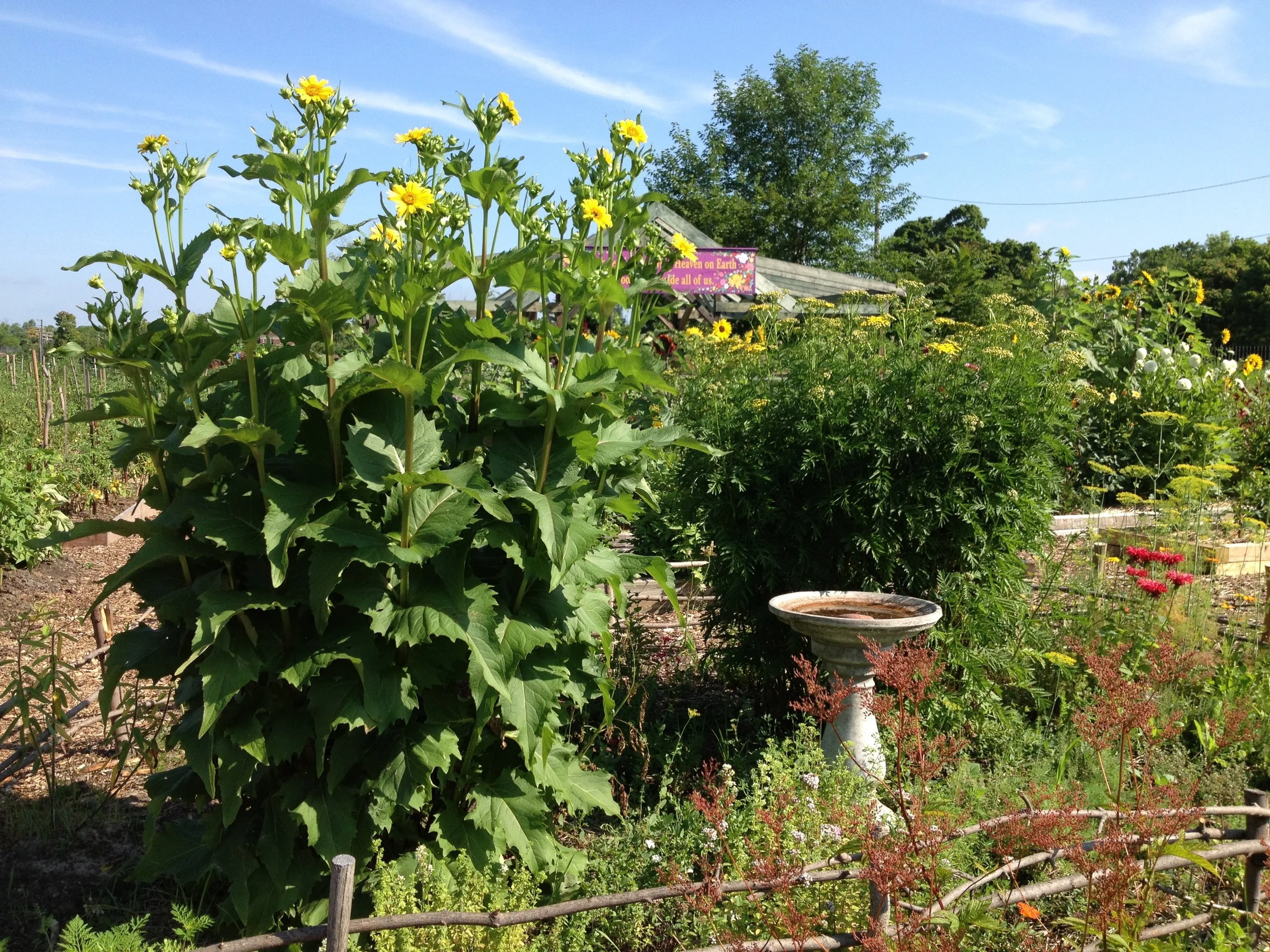
Ratibida pinnata, Yellow Coneflower
FS-PS, blooms July-Aug., 3-5’ x 1.5 - 2’, Sandy to loamy clay, dry to medium wet, deer resistant.
Keystone Species - Ratibida is the larval host plant for several species of moths and the Silvery Checkerspot Butterfly. As part of the all important rudbeckia plant family, it supports many specialist bees including, Cellophane, Mining, Long-horned and a polyester bee that utilizes the pollen of this species. It is also important as a 3-4 mont bloom period producing high-value nectar. The large, prominent, and durable seed heads that appear after flowering provide a crucial, long-lasting food source for songbirds, particularly the American Goldfinch, through fall and winter. Its deep taproot (reaching 8-15 feet) helps break up compacted soil, improves water infiltration, and stabilizes soil. It can be grown in many challenging conditions.
Yellow Coneflower is native to dry prairies and savannas. It has stiff and rough-feeling coarse leaves, and showy yellow flowers which have droopy soft yellow rays. The cone-like green centers eventually change to a dark purple or brown. It grows and transplants very easily, is drought-tolerant, and makes an excellent cut flower.
Attracts native bees, honey bees, butterflies and is the larval host plant of the Wavy Lined Emerald Moth other moths and the Silvery Checkerspot Butterfly. It also attracts two beneficial insects that are both predators—Syrphid Flies and parasitoids, which help to keep your garden in balance. Disc flowers open from the bottom up, offering pollen first.
Ratibida pinnata, Yellow Coneflower
FS-PS, blooms July-Aug., 3-5’ x 1.5 - 2’, Sandy to loamy clay, dry to medium wet, deer resistant.
Keystone Species - Ratibida is the larval host plant for several species of moths and the Silvery Checkerspot Butterfly. As part of the all important rudbeckia plant family, it supports many specialist bees including, Cellophane, Mining, Long-horned and a polyester bee that utilizes the pollen of this species. It is also important as a 3-4 mont bloom period producing high-value nectar. The large, prominent, and durable seed heads that appear after flowering provide a crucial, long-lasting food source for songbirds, particularly the American Goldfinch, through fall and winter. Its deep taproot (reaching 8-15 feet) helps break up compacted soil, improves water infiltration, and stabilizes soil. It can be grown in many challenging conditions.
Yellow Coneflower is native to dry prairies and savannas. It has stiff and rough-feeling coarse leaves, and showy yellow flowers which have droopy soft yellow rays. The cone-like green centers eventually change to a dark purple or brown. It grows and transplants very easily, is drought-tolerant, and makes an excellent cut flower.
Attracts native bees, honey bees, butterflies and is the larval host plant of the Wavy Lined Emerald Moth other moths and the Silvery Checkerspot Butterfly. It also attracts two beneficial insects that are both predators—Syrphid Flies and parasitoids, which help to keep your garden in balance. Disc flowers open from the bottom up, offering pollen first.