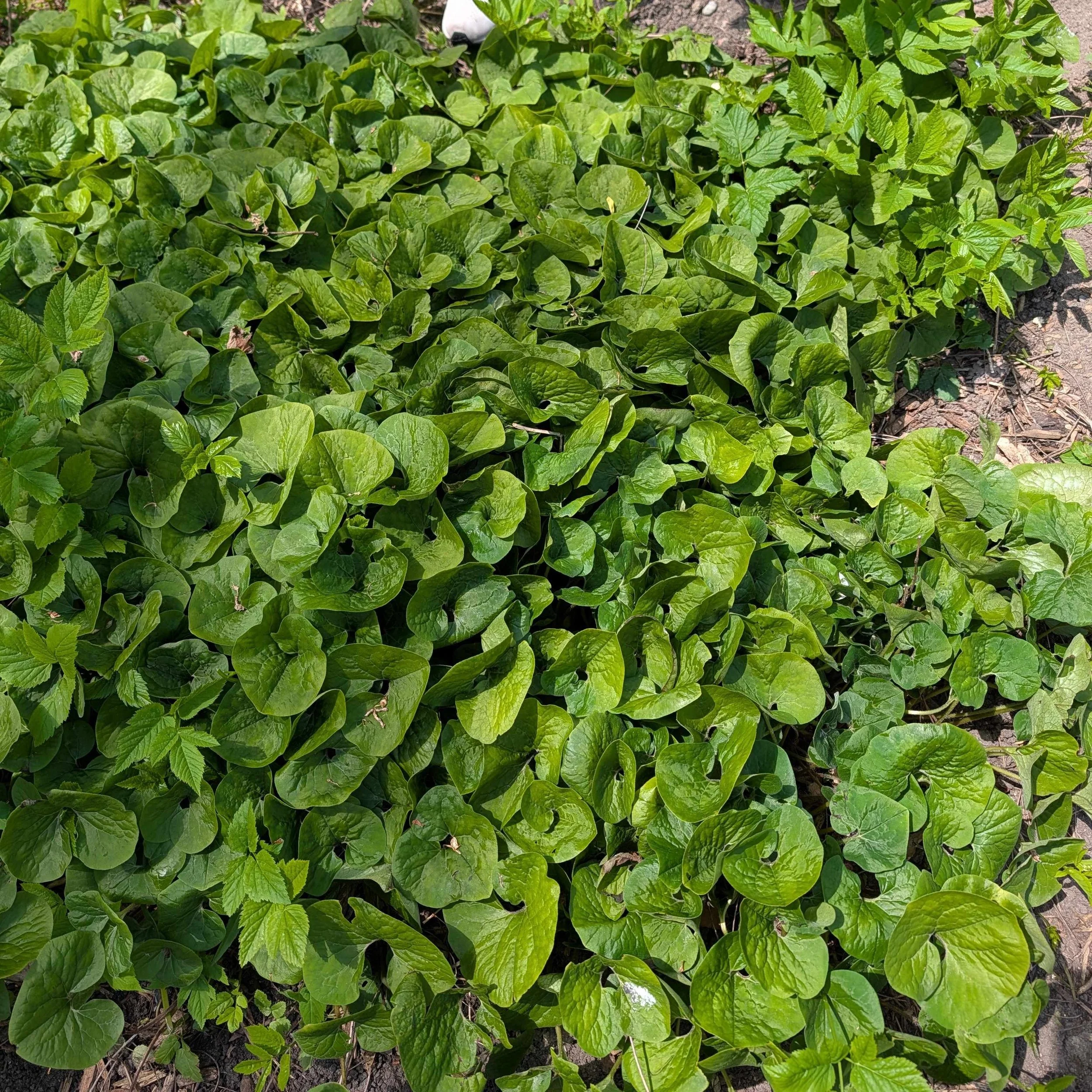
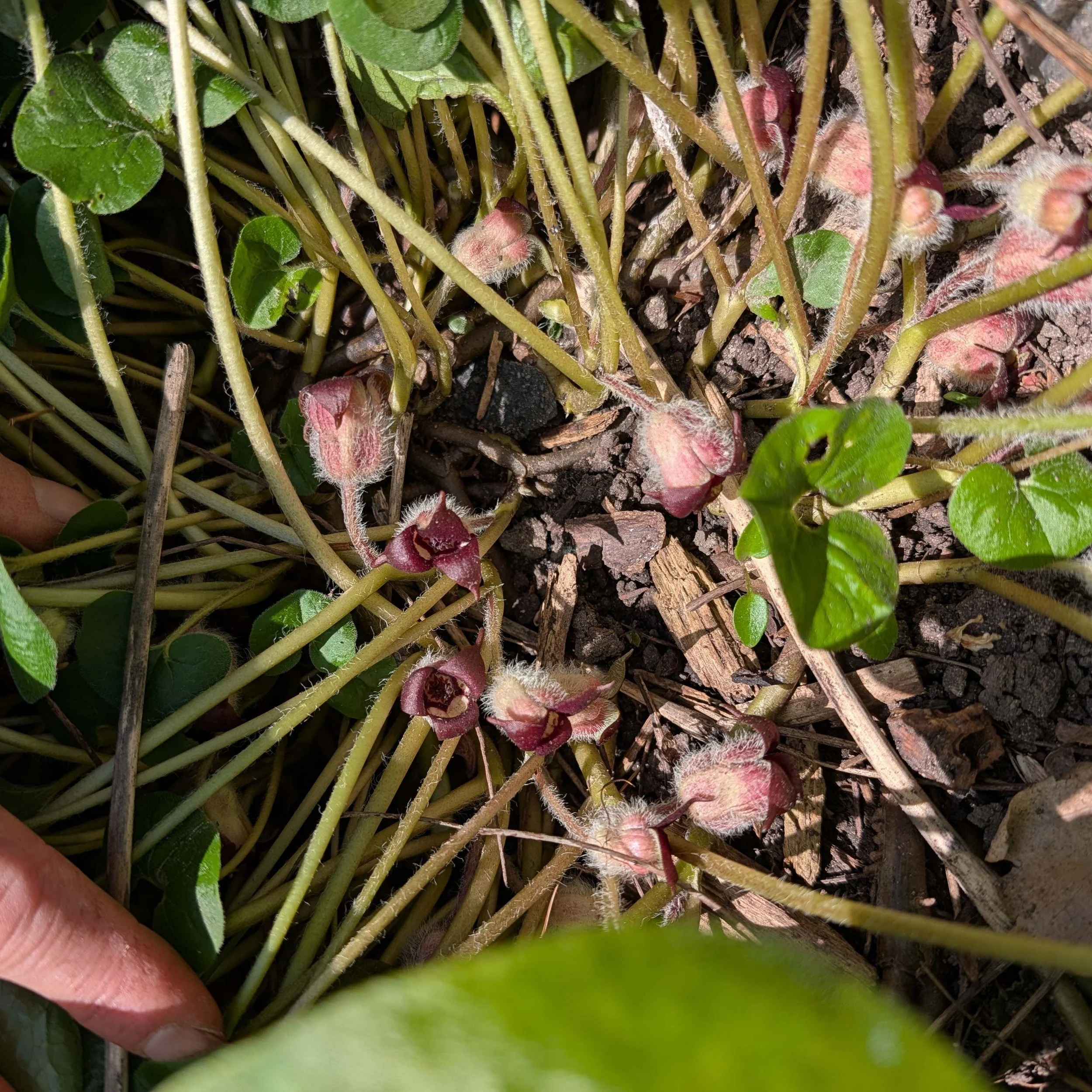
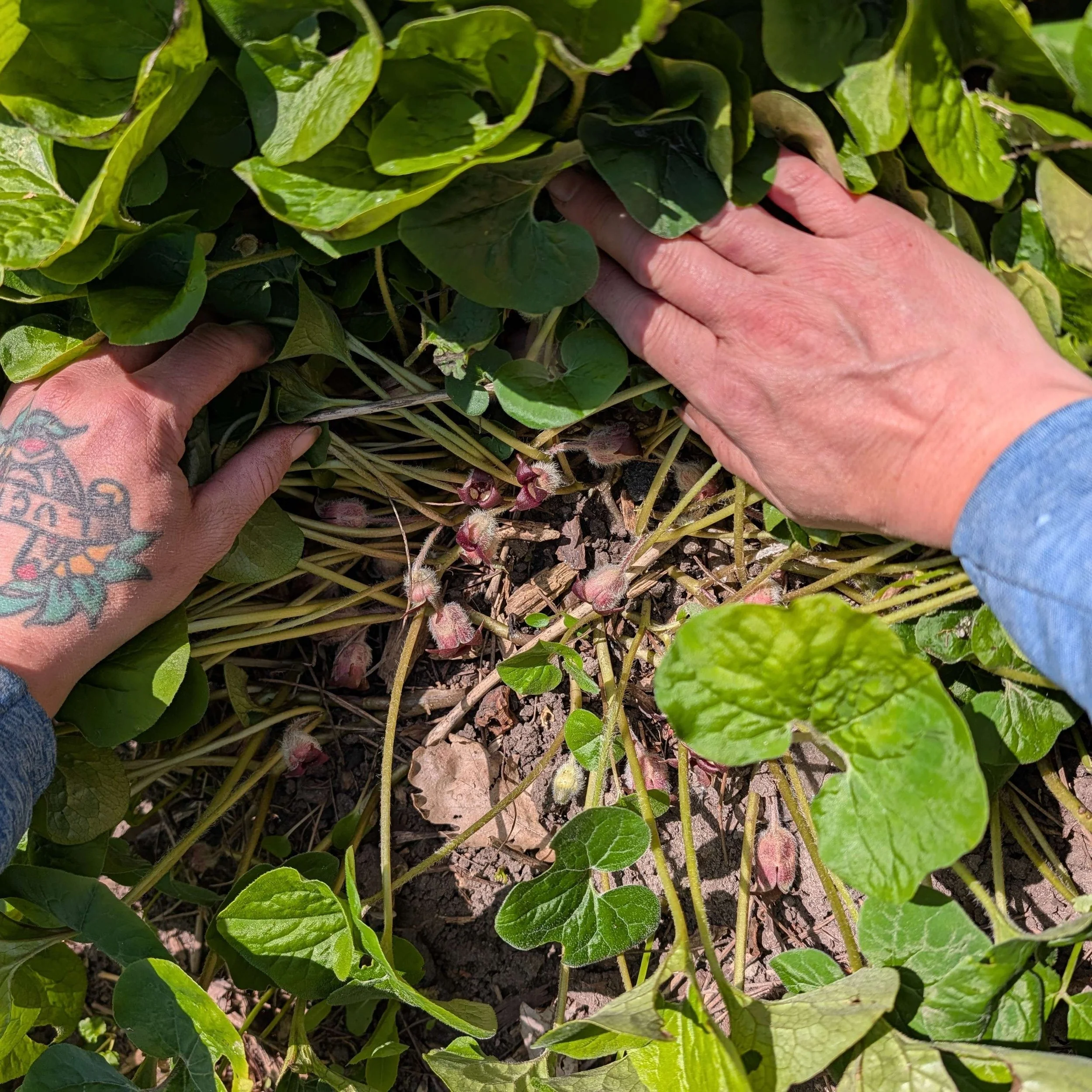
 Image 1 of 1
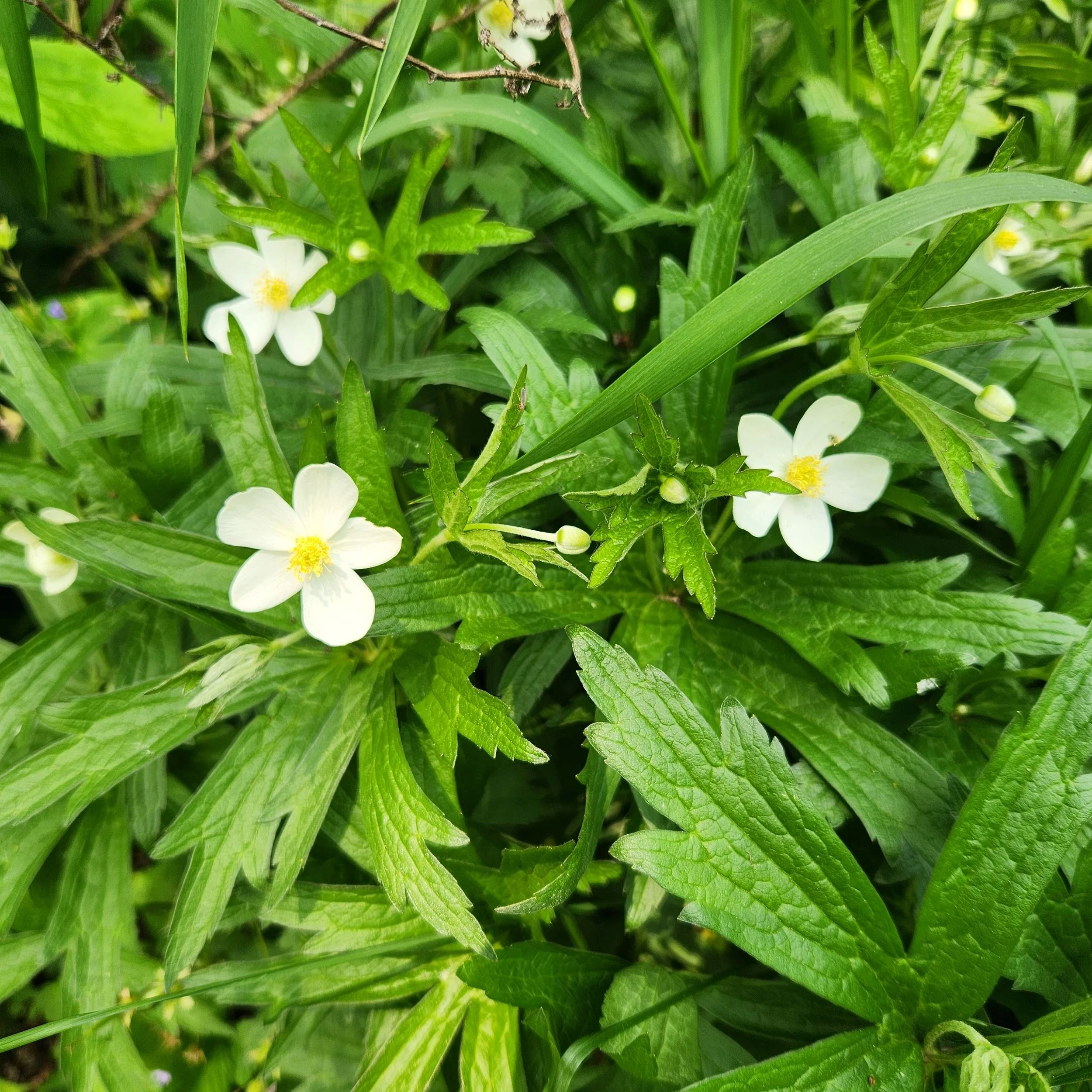
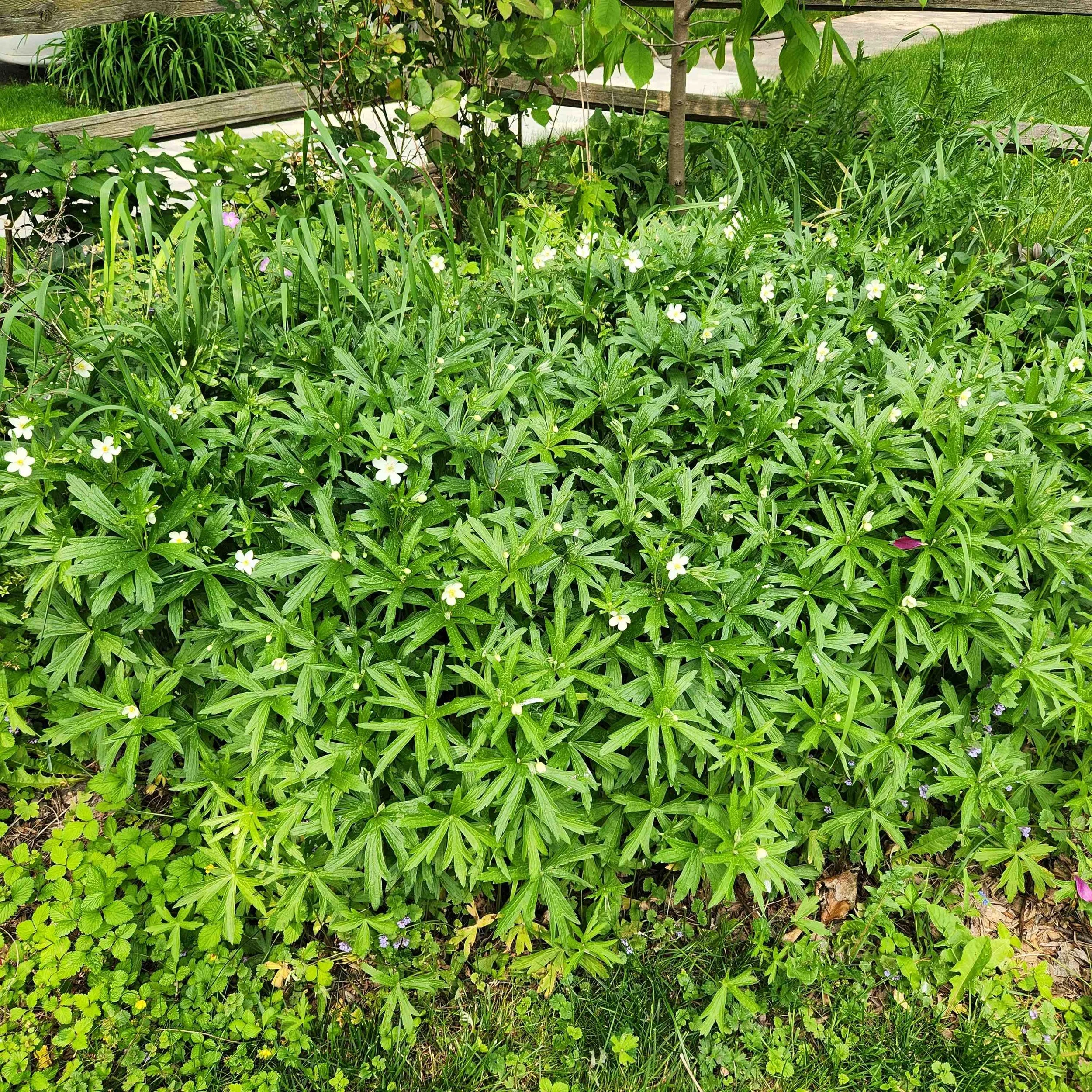
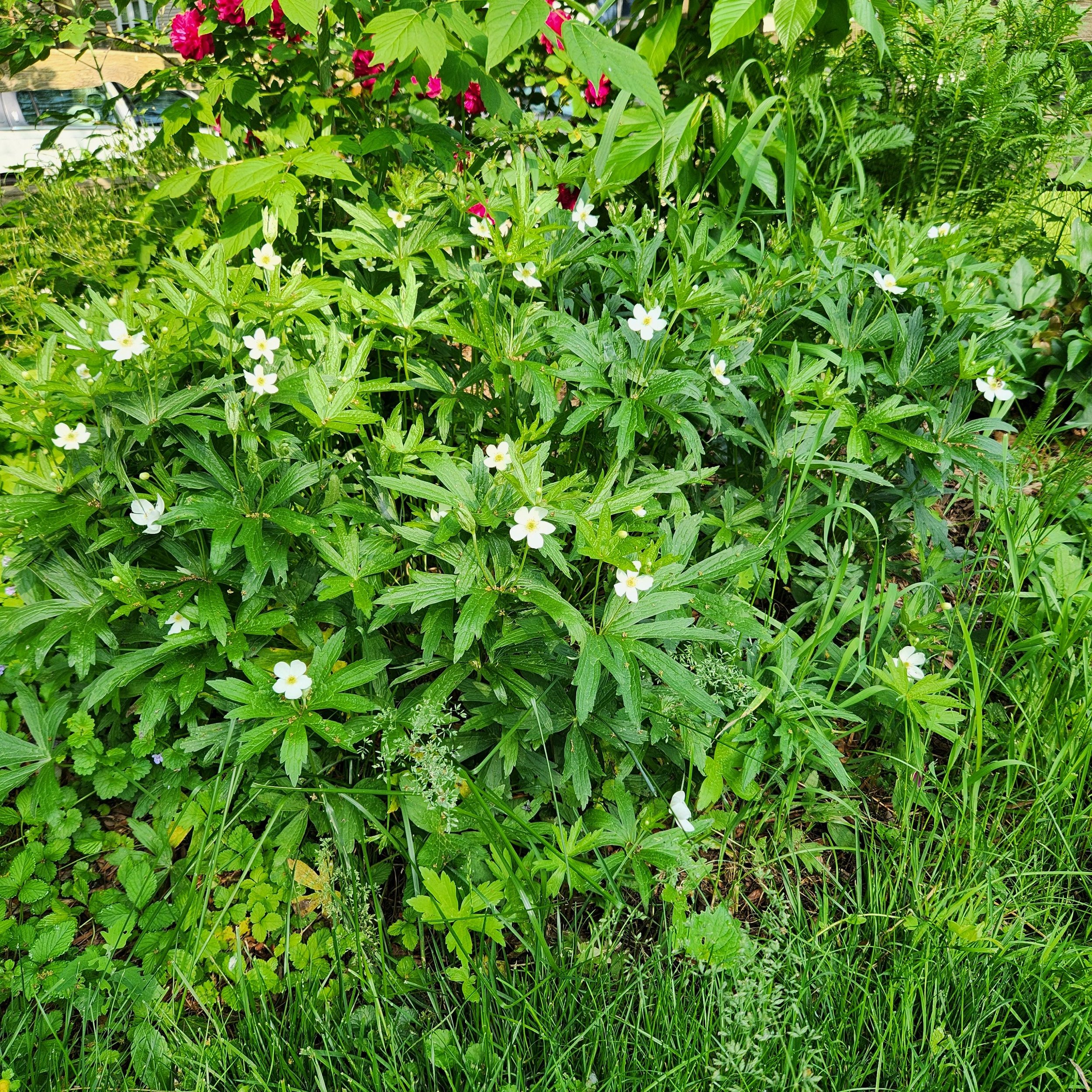
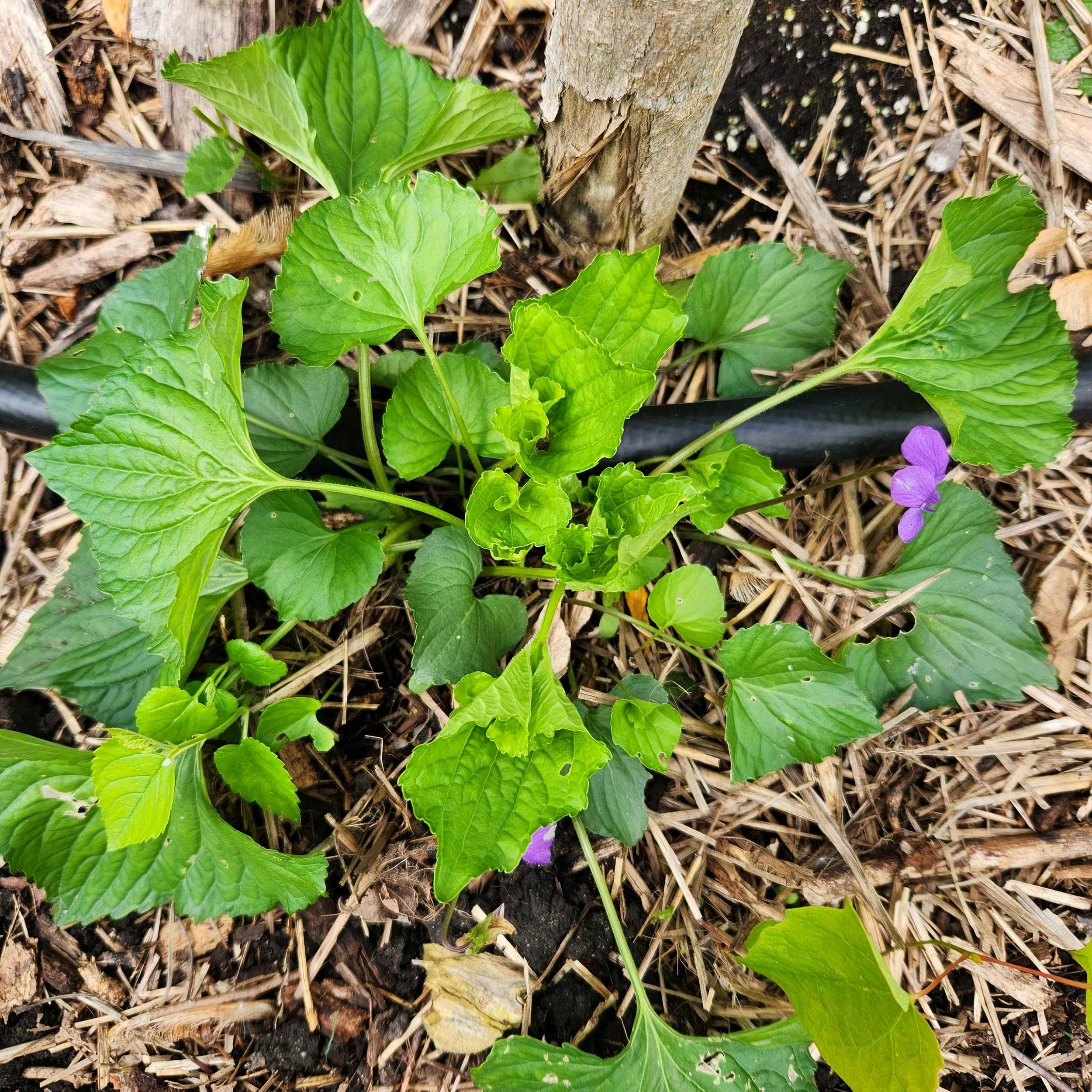
Viola soronia, Common Blue Violet
FS- FS, Zone 3, blooms April-June, 4” x 6-8”, medium-wet - medium-dry
Unfortunately we are not able to provide this plant. Prairie Moon had difficulty germinating them.
In our efforts to provide butterfly host plants we have found a source for Viola soronia from our friends at Prairie Moon Nursery. We will pot up and grow the plugs in 4-6” pots and sell for less than our other natives. Like monarchs, whose caterpillars only feed on milkweed, the fourteen species of greater fritillaries (genus Speyeria) and sixteen lesser fritillaries (genus Bolloria) will only lay their eggs where there are viola species for their larva to feed upon.
Keystone Species - In our location Common Violets are the larval host plant for a whopping 31 moth and butterfly species and specifically many Fritillary butterfly species.They provide critical nectar and pollen for early-season pollinators, including specialist Mining bees that have evolved to rely specifically on this genus for survival. The plant aids broader ecosystem diversity through myrmecochory. Its seeds have oily attachments (elaiosomes) that attract ants, which carry the seeds to their nests, feeding their larvae and effectively "planting" the seeds in new locations.
Violets bloom early (March/April), providing a critical, high-quality, and abundant food source for queen bees and early-emerging native bees when few other plants are in flower. They spread by seed and in some cases aggressively. For that reason it can be an excellent native ground cover.
Common violets have edible flowers and young leaves. Viola species are popular in America for their pleasing taste and easy cultivation. The flowers can be added to salads, used as garnishes, or made into candies and jellies. Violet leaves, rich in vitamins A and C, can be eaten raw or cooked.
It is also the host plant for the Andrena violae is a solitary mining bee and other mining bees that relys on the Violets pollen. It is a solitary, ground-nesting bee, that excavates tunnels in sunny, bare patches under leaf litter. It is a vital, non-aggressive native pollinator in regions with early spring violet blooms, such as Michigan. Check out how ants make sure future seeds geminate through myrmecochony.
As stated above it is a larval host plant for Fritillary butterfly species. In particular the Great Spangled Fritillary.This butterfly has an unusual life cycle, eggs are laid in late summer on or near host violets. Newly-hatched caterpillars do not feed, but overwinter until spring, when they eat young violet leaves. Don’t mow down your violets!
Viola soronia, Common Blue Violet
FS- FS, Zone 3, blooms April-June, 4” x 6-8”, medium-wet - medium-dry
Unfortunately we are not able to provide this plant. Prairie Moon had difficulty germinating them.
In our efforts to provide butterfly host plants we have found a source for Viola soronia from our friends at Prairie Moon Nursery. We will pot up and grow the plugs in 4-6” pots and sell for less than our other natives. Like monarchs, whose caterpillars only feed on milkweed, the fourteen species of greater fritillaries (genus Speyeria) and sixteen lesser fritillaries (genus Bolloria) will only lay their eggs where there are viola species for their larva to feed upon.
Keystone Species - In our location Common Violets are the larval host plant for a whopping 31 moth and butterfly species and specifically many Fritillary butterfly species.They provide critical nectar and pollen for early-season pollinators, including specialist Mining bees that have evolved to rely specifically on this genus for survival. The plant aids broader ecosystem diversity through myrmecochory. Its seeds have oily attachments (elaiosomes) that attract ants, which carry the seeds to their nests, feeding their larvae and effectively "planting" the seeds in new locations.
Violets bloom early (March/April), providing a critical, high-quality, and abundant food source for queen bees and early-emerging native bees when few other plants are in flower. They spread by seed and in some cases aggressively. For that reason it can be an excellent native ground cover.
Common violets have edible flowers and young leaves. Viola species are popular in America for their pleasing taste and easy cultivation. The flowers can be added to salads, used as garnishes, or made into candies and jellies. Violet leaves, rich in vitamins A and C, can be eaten raw or cooked.
It is also the host plant for the Andrena violae is a solitary mining bee and other mining bees that relys on the Violets pollen. It is a solitary, ground-nesting bee, that excavates tunnels in sunny, bare patches under leaf litter. It is a vital, non-aggressive native pollinator in regions with early spring violet blooms, such as Michigan. Check out how ants make sure future seeds geminate through myrmecochony.
As stated above it is a larval host plant for Fritillary butterfly species. In particular the Great Spangled Fritillary.This butterfly has an unusual life cycle, eggs are laid in late summer on or near host violets. Newly-hatched caterpillars do not feed, but overwinter until spring, when they eat young violet leaves. Don’t mow down your violets!