 Image 1 of 4
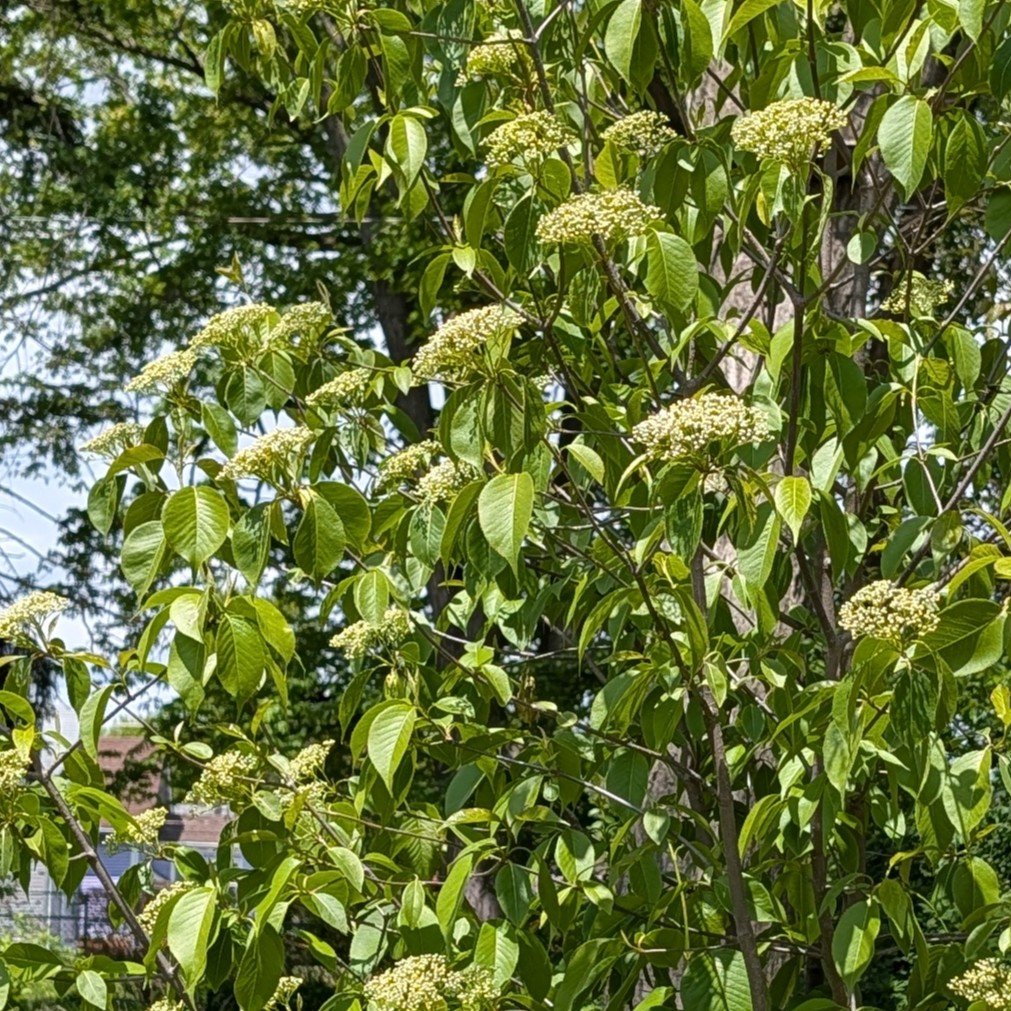 Image 2 of 4
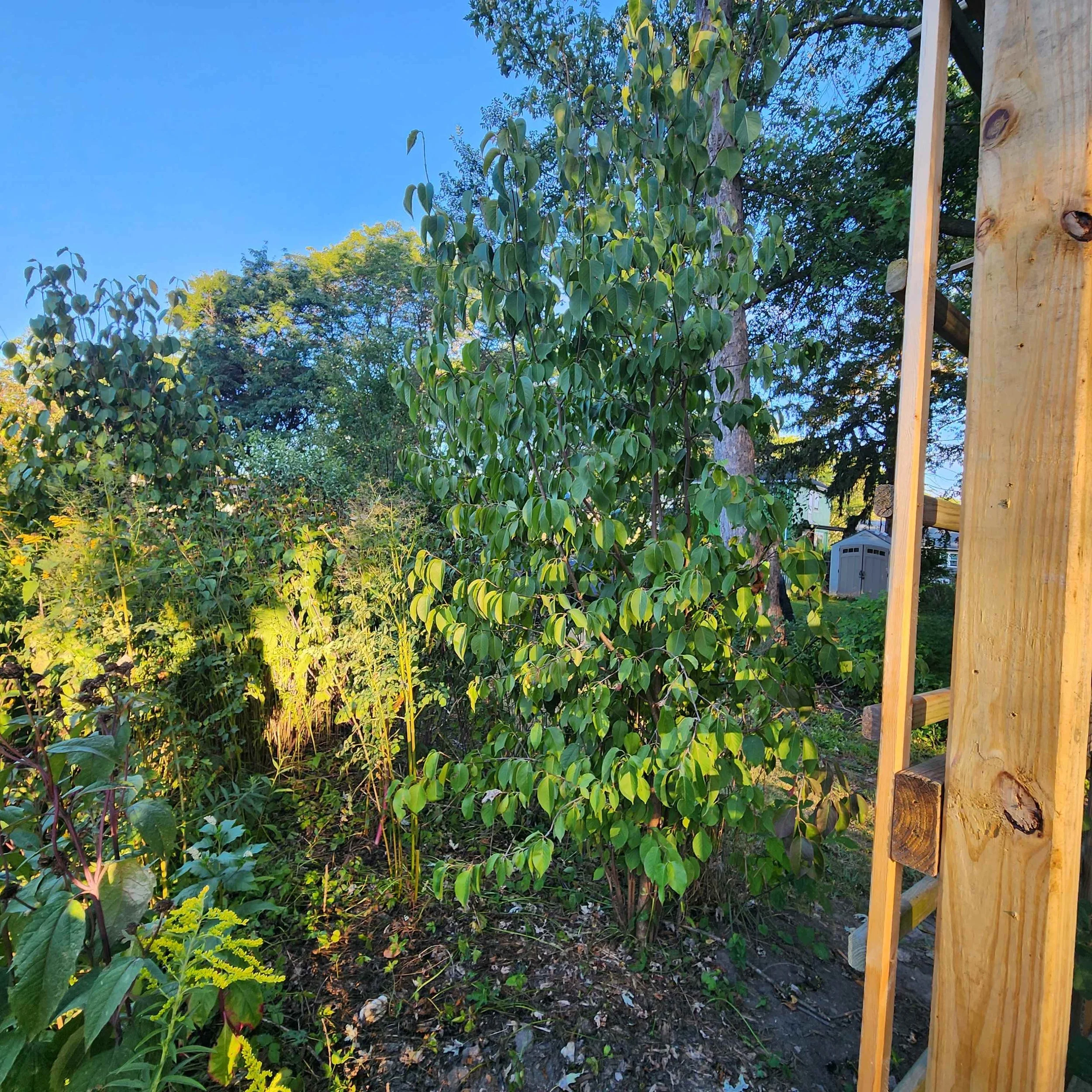 Image 3 of 4
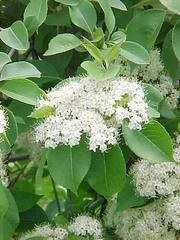 Image 4 of 4
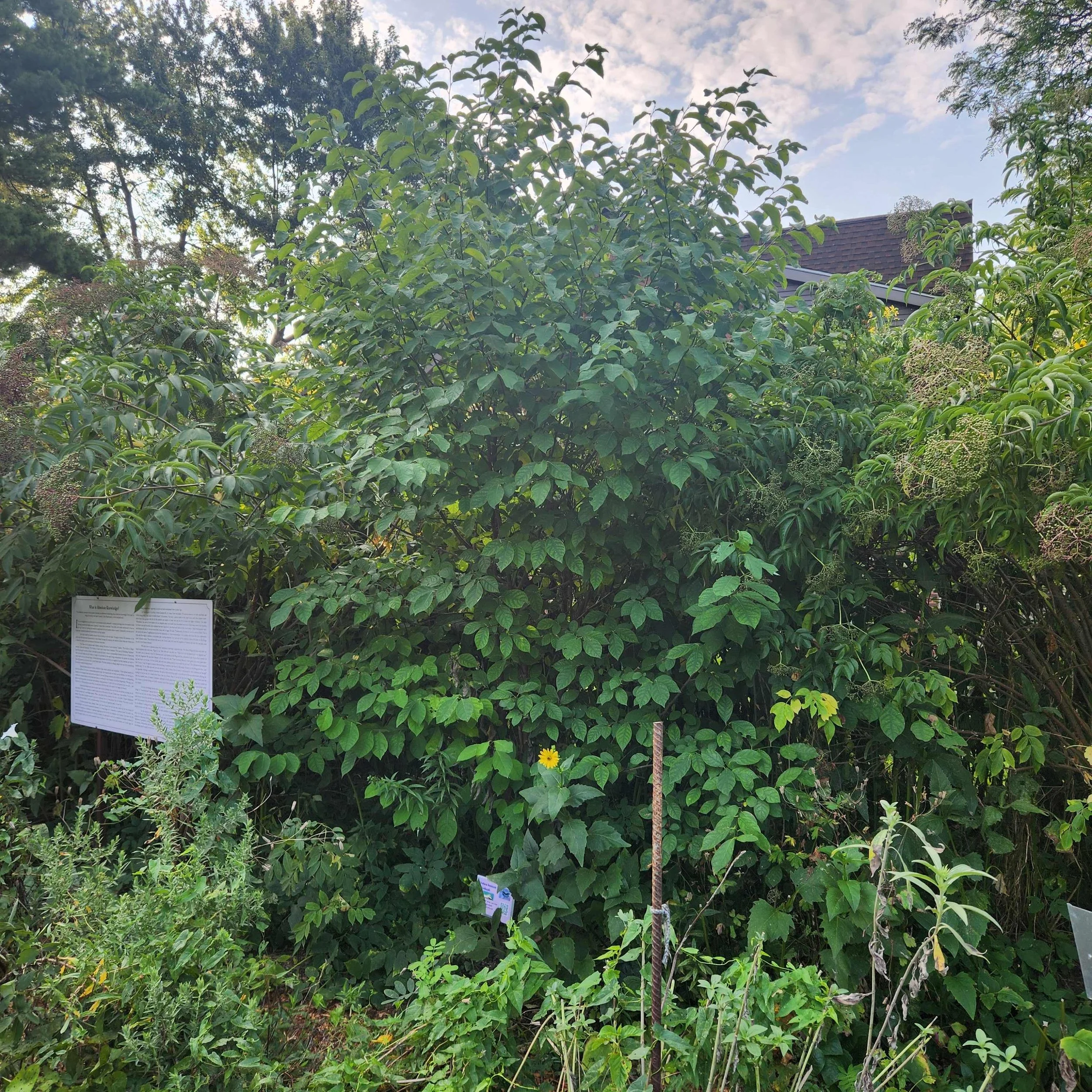
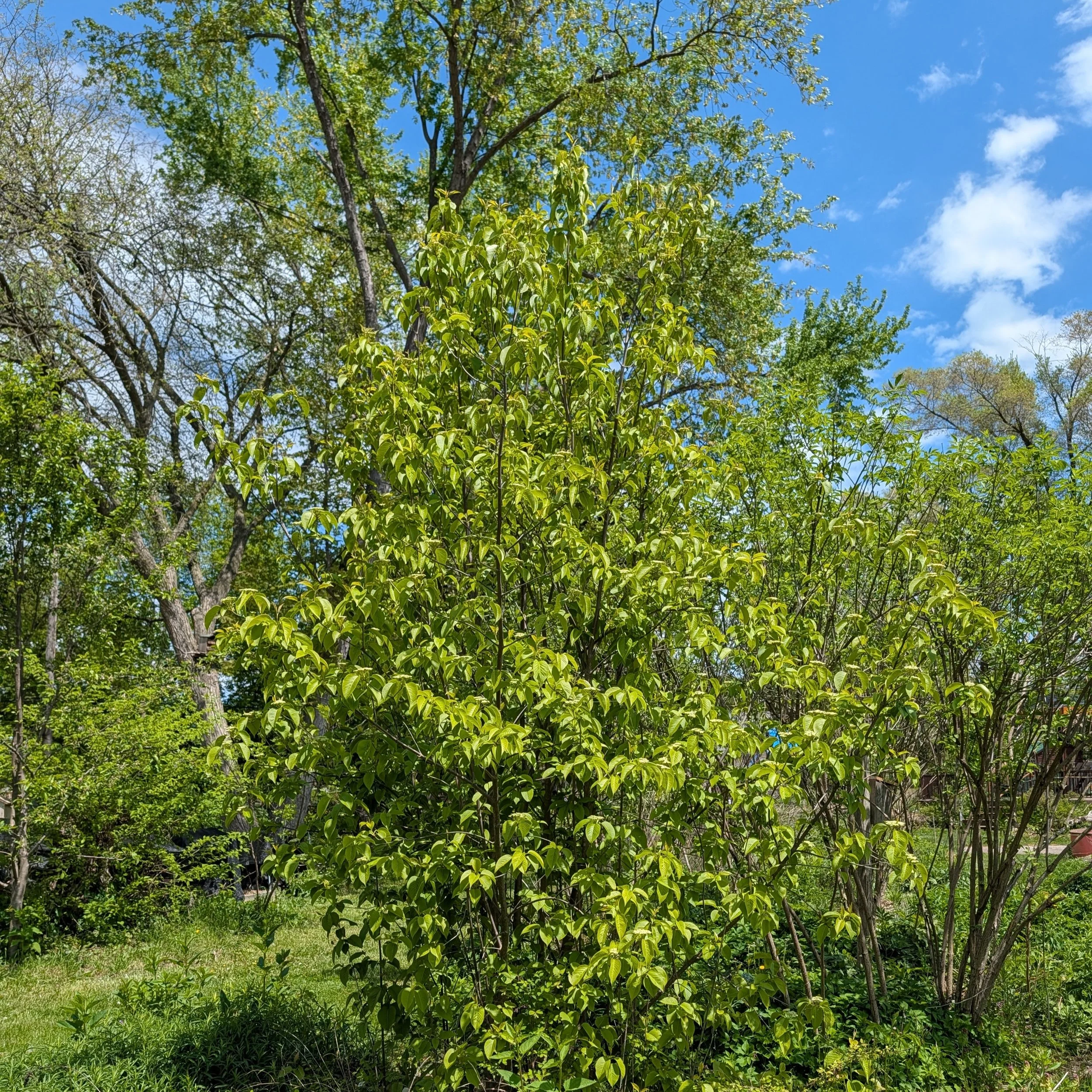
Viburnum lentago, Nannyberry
FS-PS, Zone 2, blooms May, 14’ x 6-12’, medium water, sandy to some clay.
Keystone Species - The National Wildlife Federation (NWF) and Homegrown National Park classify the Viburnum genus as a critical keystone woody shrub for Michigan. According to data compiled by Dr. Doug Tallamy and the NWF, the Viburnum genus supports approximately 98 species of butterflies and moths in the Eastern Temperate Forests ecoregion. This includes serving as a vital larval host for the Spring Azure butterfly (Celastrina ladon). Nannyberry’s ability to adpt and thrive in dry and wet conditions. The blue-black autumn drupes persist well into the freezing winter months. They provide vital caloric energy for over a dozen Michigan songbird species (like Robins, Bluebirds, and Cedar Waxwings) and small mammals when other food is scarce.
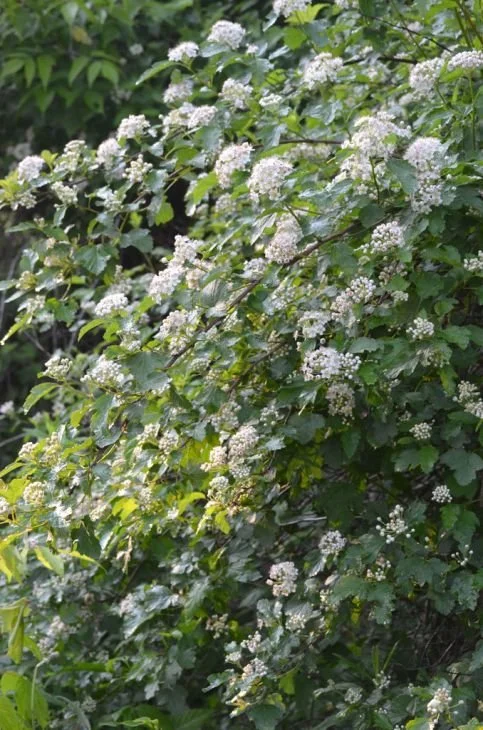
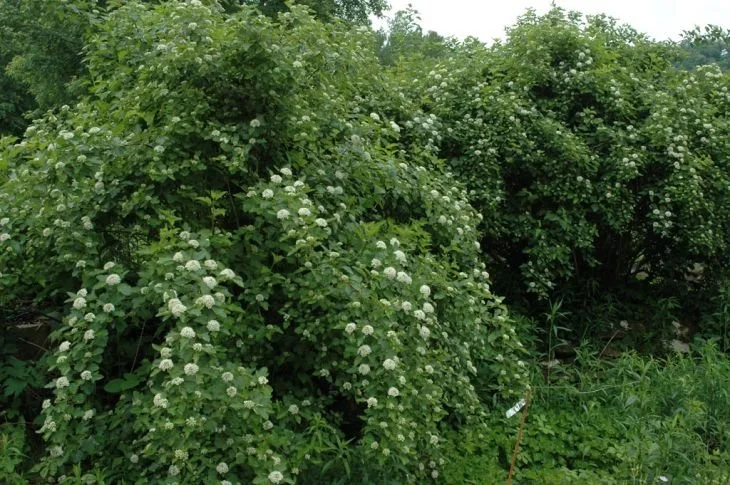
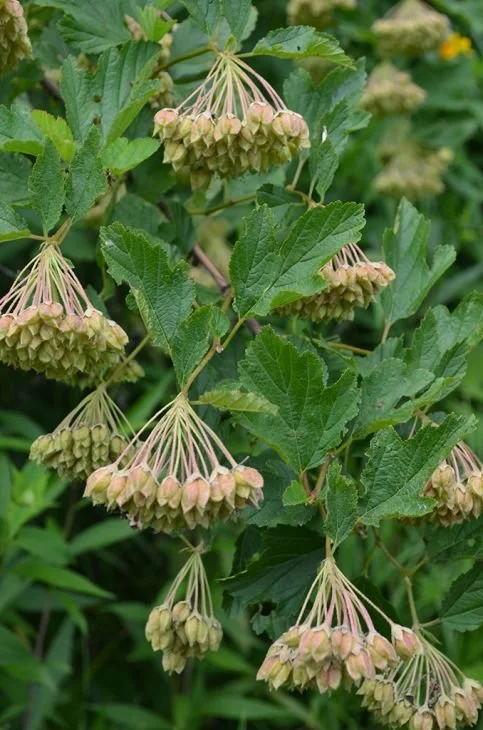
Commonly called nannyberry, this plant is a large, upright, multi-stemmed, suckering, deciduous shrub which typically grows to 10-18' tall with a spread of 6-12'. Adaptable to a wide range of sites, Viburnum lentago is found natively in low woods or near stream banks, but also tolerates drier sites. Very shade tolerant in nature, it grows larger in more open sunny areas. Early white spring blooms provide excellent pollinator support and by the fall edible berries appear that are dark purple when ripe, which make good jams and jellies. The common name came from Nanny Goats eating the berries. This plant forms excellent wildlife thickets and the berries are a valuable food source for birds.
Attracts a wide variety of native insects and honeybees. The nectar and pollen of the flowers attract Andrenid bees, Halictid bees, Syrphid flies, dance flies, Muscid flies, and miscellaneous beetles, butterflies and birds. Nannyberry and other native Viburnum species offer excellent support for wildlife and pollinators. The fruits of Nannyberry are eaten by many birds, including the Northern Flicker, Gray Catbird, American Robin, Hermit Thrush, Eastern Bluebird, Cedar Waxwing, Rose-breasted Grosbeak and Purple Finch. Nannyberry also serves as host plants to numerous butterflies and moths.
Viburnum lentago, Nannyberry
FS-PS, Zone 2, blooms May, 14’ x 6-12’, medium water, sandy to some clay.
Keystone Species - The National Wildlife Federation (NWF) and Homegrown National Park classify the Viburnum genus as a critical keystone woody shrub for Michigan. According to data compiled by Dr. Doug Tallamy and the NWF, the Viburnum genus supports approximately 98 species of butterflies and moths in the Eastern Temperate Forests ecoregion. This includes serving as a vital larval host for the Spring Azure butterfly (Celastrina ladon). Nannyberry’s ability to adpt and thrive in dry and wet conditions. The blue-black autumn drupes persist well into the freezing winter months. They provide vital caloric energy for over a dozen Michigan songbird species (like Robins, Bluebirds, and Cedar Waxwings) and small mammals when other food is scarce.
Commonly called nannyberry, this plant is a large, upright, multi-stemmed, suckering, deciduous shrub which typically grows to 10-18' tall with a spread of 6-12'. Adaptable to a wide range of sites, Viburnum lentago is found natively in low woods or near stream banks, but also tolerates drier sites. Very shade tolerant in nature, it grows larger in more open sunny areas. Early white spring blooms provide excellent pollinator support and by the fall edible berries appear that are dark purple when ripe, which make good jams and jellies. The common name came from Nanny Goats eating the berries. This plant forms excellent wildlife thickets and the berries are a valuable food source for birds.
Attracts a wide variety of native insects and honeybees. The nectar and pollen of the flowers attract Andrenid bees, Halictid bees, Syrphid flies, dance flies, Muscid flies, and miscellaneous beetles, butterflies and birds. Nannyberry and other native Viburnum species offer excellent support for wildlife and pollinators. The fruits of Nannyberry are eaten by many birds, including the Northern Flicker, Gray Catbird, American Robin, Hermit Thrush, Eastern Bluebird, Cedar Waxwing, Rose-breasted Grosbeak and Purple Finch. Nannyberry also serves as host plants to numerous butterflies and moths.