 Image 1 of 2
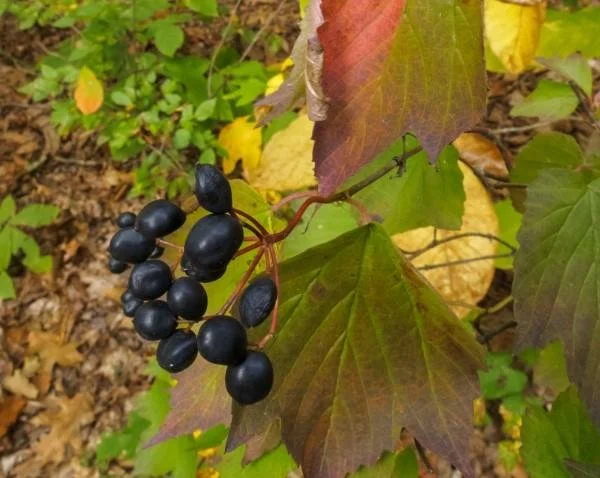 Image 2 of 2
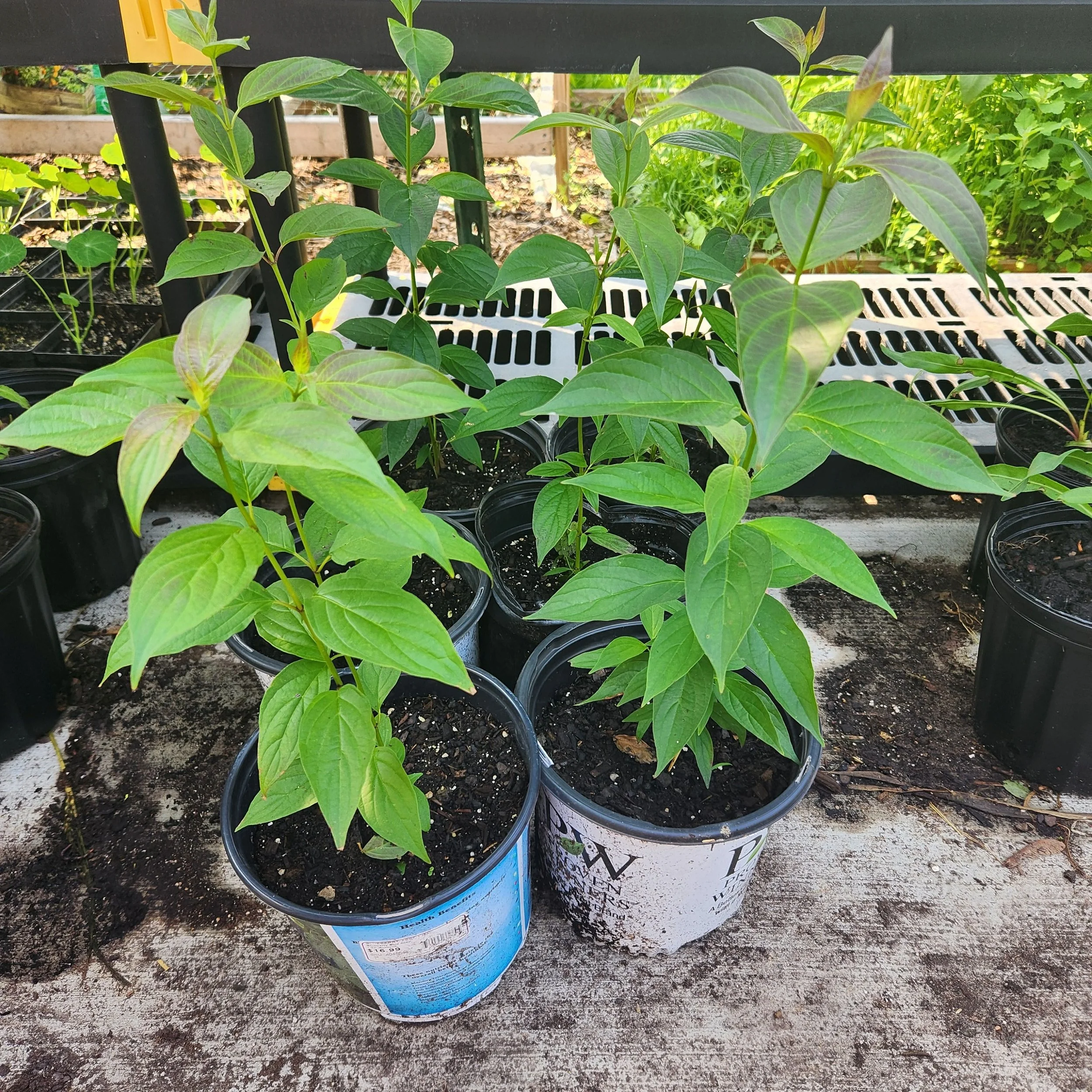
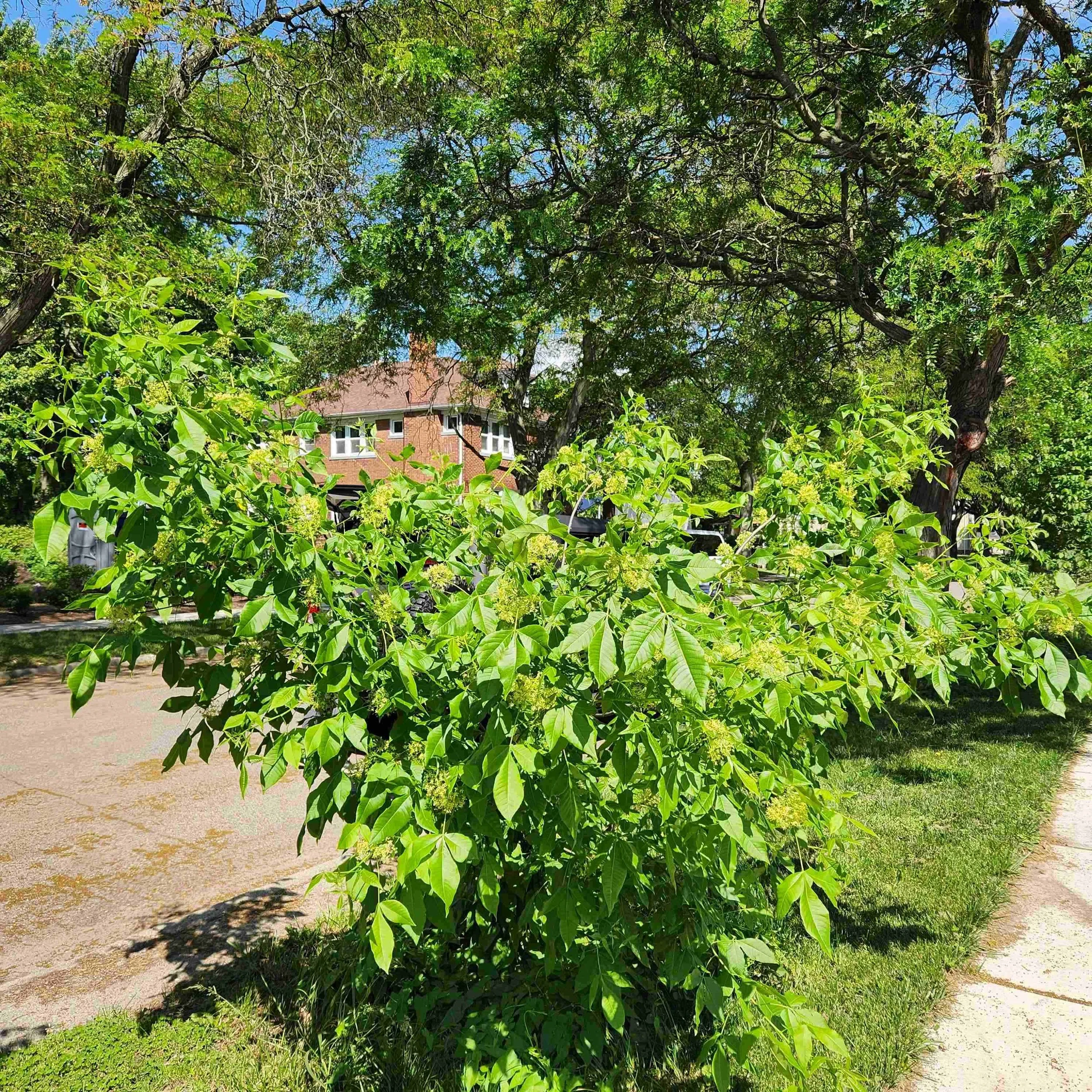
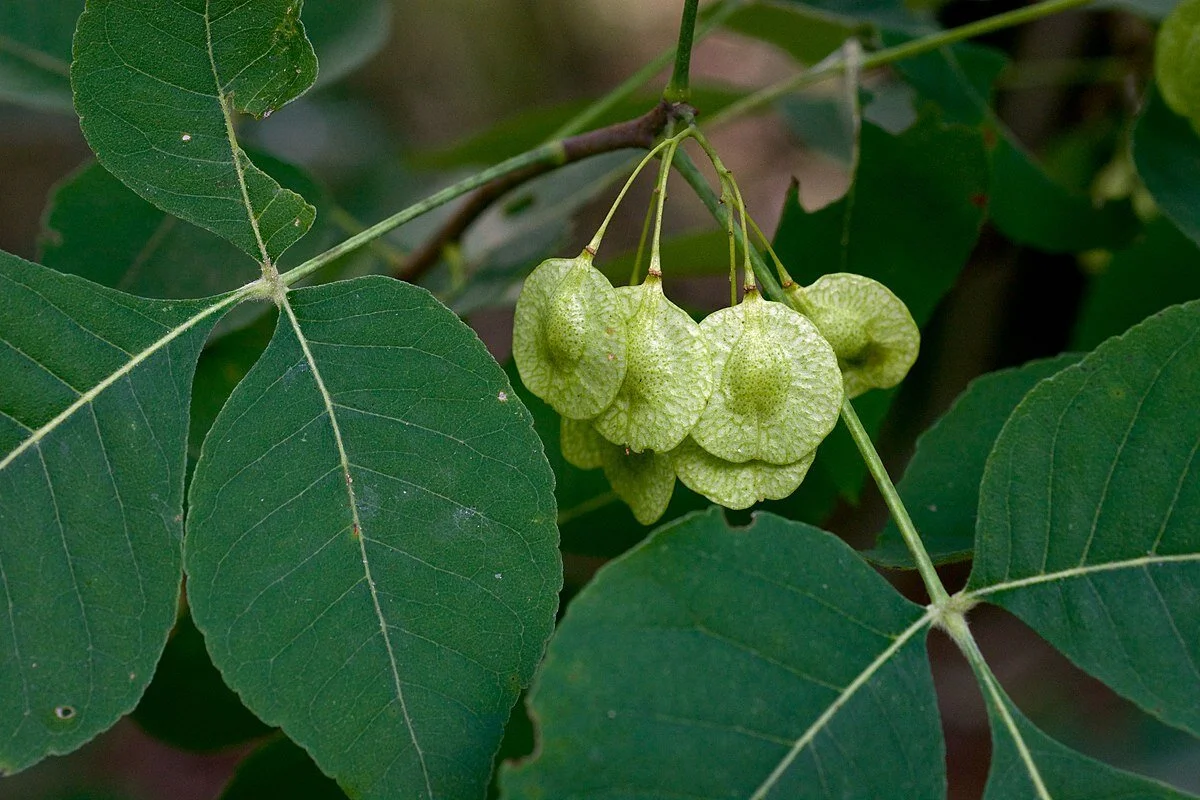
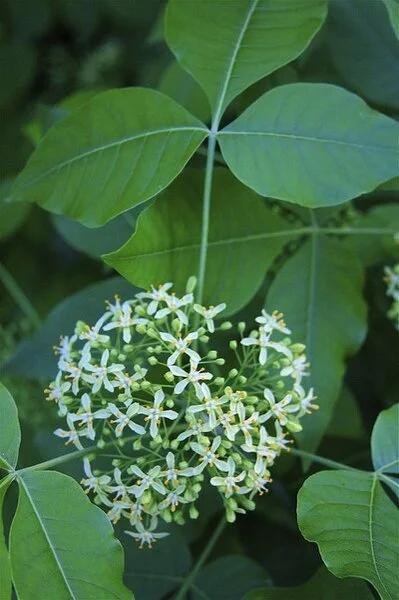
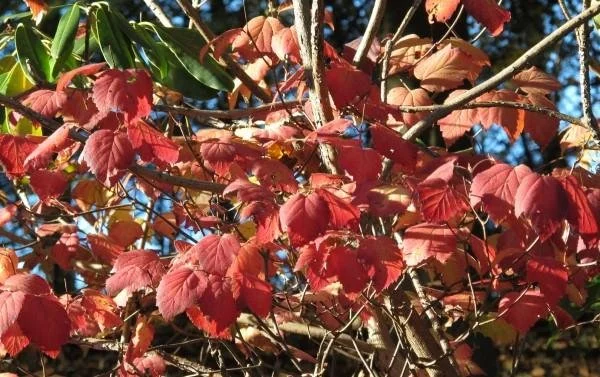
Viburnum acerifolium, Maple Leaf Viburnum
PS-Shade, Zone 3, blooms May-June, 3-6’ x 3-6’, moist to dry
Keystone Species - Mapleleaf Viburnum acts as a critical host plant for over 100 species of moths and butterflies in its range, including the Spring Azure butterfly and Hummingbird Clearwing moth . These lepidoptera larvae are crucial, as they form the base of the food web for birds and other animals. It is one of the most shade-tolerant native shrubs, making it an essential understory component in mature beech-maple forests, which are common in Michigan. It is also import due to the early bloom time, providing nectar and pollen. It supports several specialist species of Mining Bees.
Mapleleaf viburnum is a great addition to a wooded understory, shaded foundation bed, or bird garden. It’s one of the few locally-native shrubs that can thrive in dry woods, and is very tolerant of both heavy shade and drought. It is a multi-stemmed deciduous shrub That produces suckers. It produces small colonies of thickets that can easily be controlled through pruning. Truly a bird plant both for coverage, and food in the form of caterpillars and drupes in the fall. Drupes are typically nutrient dense, they have a hard pit unlike berries. The drupes on Maple Leaf Viburnum are high in fat needed at seasons end.
It is a highly adaptable plant. It can thrive in dry, sandy, or rocky soils, which allows it to stabilize slopes and hillsides, especially in forested areas and can even do well in dry shade. Also adaptable to moisture levels, once established.
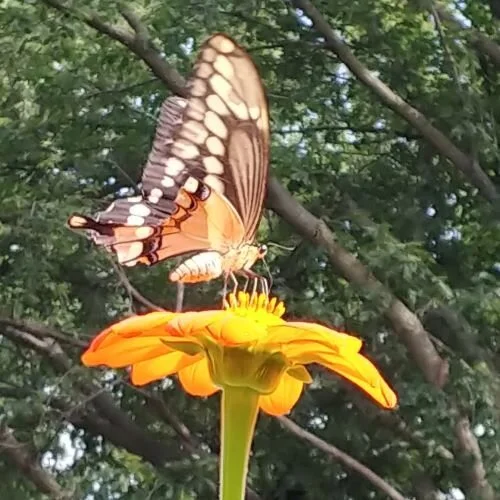
It provides a fragrant nectar and pollen source in late spring for halictid (sweat) bees and other native bees. It serves as a host plant for the Spring Azure butterfly (Celastrina ladon) the Hummingbird Clearwing and other moths. Its drupes are a critical food source for songbirds such as cedar waxwings and cardinals.
DA Planting Notes - We wanted to add this plant due to it’s ability to do well in shade. Our research shows many different claims. Some say i also does well in FS. We would love feedback on this plant!
Photos are from University of Maryland Extension.
Viburnum acerifolium, Maple Leaf Viburnum
PS-Shade, Zone 3, blooms May-June, 3-6’ x 3-6’, moist to dry
Keystone Species - Mapleleaf Viburnum acts as a critical host plant for over 100 species of moths and butterflies in its range, including the Spring Azure butterfly and Hummingbird Clearwing moth . These lepidoptera larvae are crucial, as they form the base of the food web for birds and other animals. It is one of the most shade-tolerant native shrubs, making it an essential understory component in mature beech-maple forests, which are common in Michigan. It is also import due to the early bloom time, providing nectar and pollen. It supports several specialist species of Mining Bees.
Mapleleaf viburnum is a great addition to a wooded understory, shaded foundation bed, or bird garden. It’s one of the few locally-native shrubs that can thrive in dry woods, and is very tolerant of both heavy shade and drought. It is a multi-stemmed deciduous shrub That produces suckers. It produces small colonies of thickets that can easily be controlled through pruning. Truly a bird plant both for coverage, and food in the form of caterpillars and drupes in the fall. Drupes are typically nutrient dense, they have a hard pit unlike berries. The drupes on Maple Leaf Viburnum are high in fat needed at seasons end.
It is a highly adaptable plant. It can thrive in dry, sandy, or rocky soils, which allows it to stabilize slopes and hillsides, especially in forested areas and can even do well in dry shade. Also adaptable to moisture levels, once established.
It provides a fragrant nectar and pollen source in late spring for halictid (sweat) bees and other native bees. It serves as a host plant for the Spring Azure butterfly (Celastrina ladon) the Hummingbird Clearwing and other moths. Its drupes are a critical food source for songbirds such as cedar waxwings and cardinals.
DA Planting Notes - We wanted to add this plant due to it’s ability to do well in shade. Our research shows many different claims. Some say i also does well in FS. We would love feedback on this plant!
Photos are from University of Maryland Extension.