 Image 1 of 3
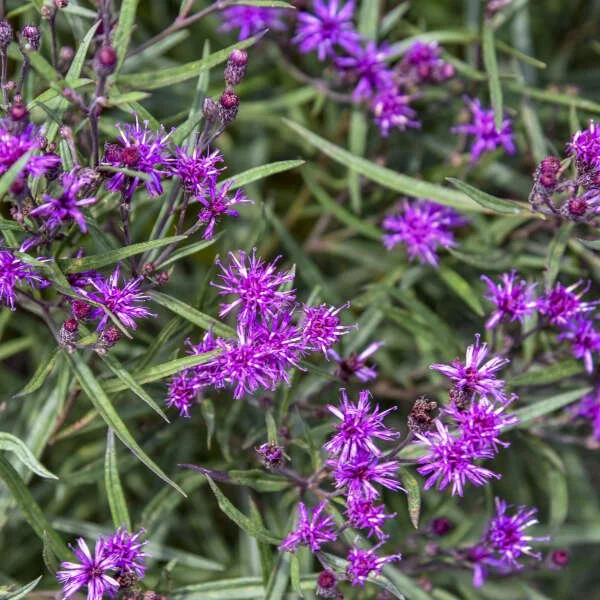 Image 2 of 3
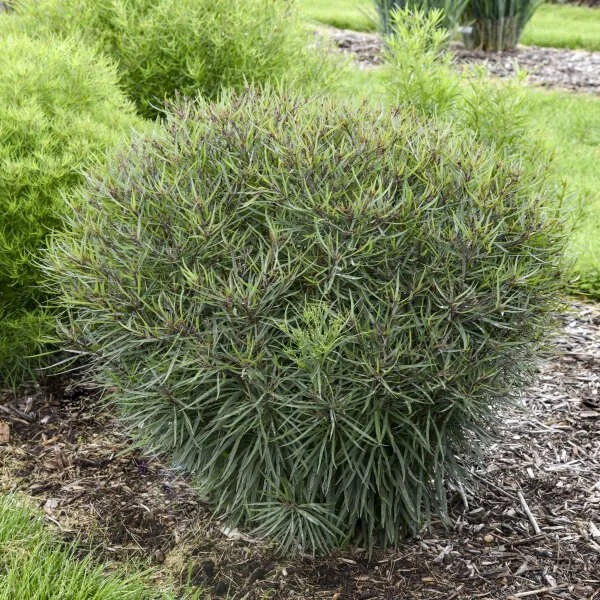 Image 3 of 3
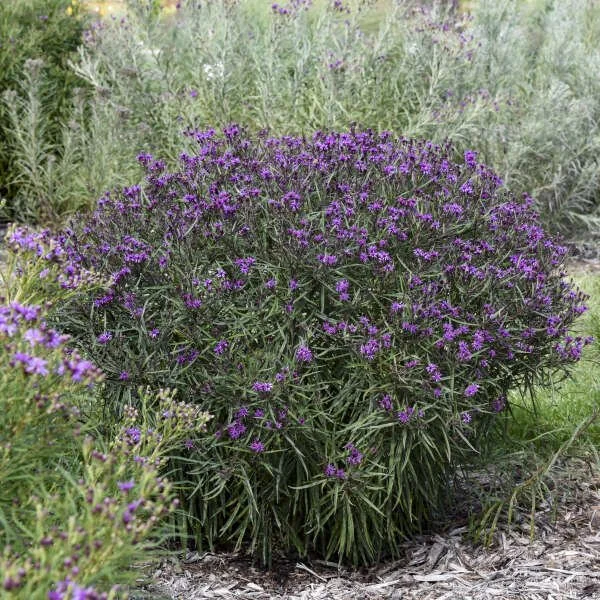
Vernonia 'Prairie Princess', Ironweed
FS, Zone 4, blooms Aug-Oct, 3’ x 3’, low to average moisture, deer resistant
This is a navitar, a cultivated variety of Vernonia introduced by Walters Gardens, Zeeland, MI, bred for its compact, fuller shape and resistance to powdery mildew. Another improvement is the foliage which is fuller and stays that way through the season,
Keystone Species - It is the larval host plant for 20 species of moths and butterflies, including the American Lady and the Painted Lady butterflies. It is also the host for several specialist bees. The Denticulate Longhorn Bee s the most notable specialist for Ironweed. These bees are active from July to early September, perfectly synchronized with the plant's bloom period. They are known for collecting the plant's unique white pollen in thick, fluffy on their hind legs. By supporting a massive diversity of insects, it provides the essential food base (caterpillars and bugs) needed for birds to feed their young.
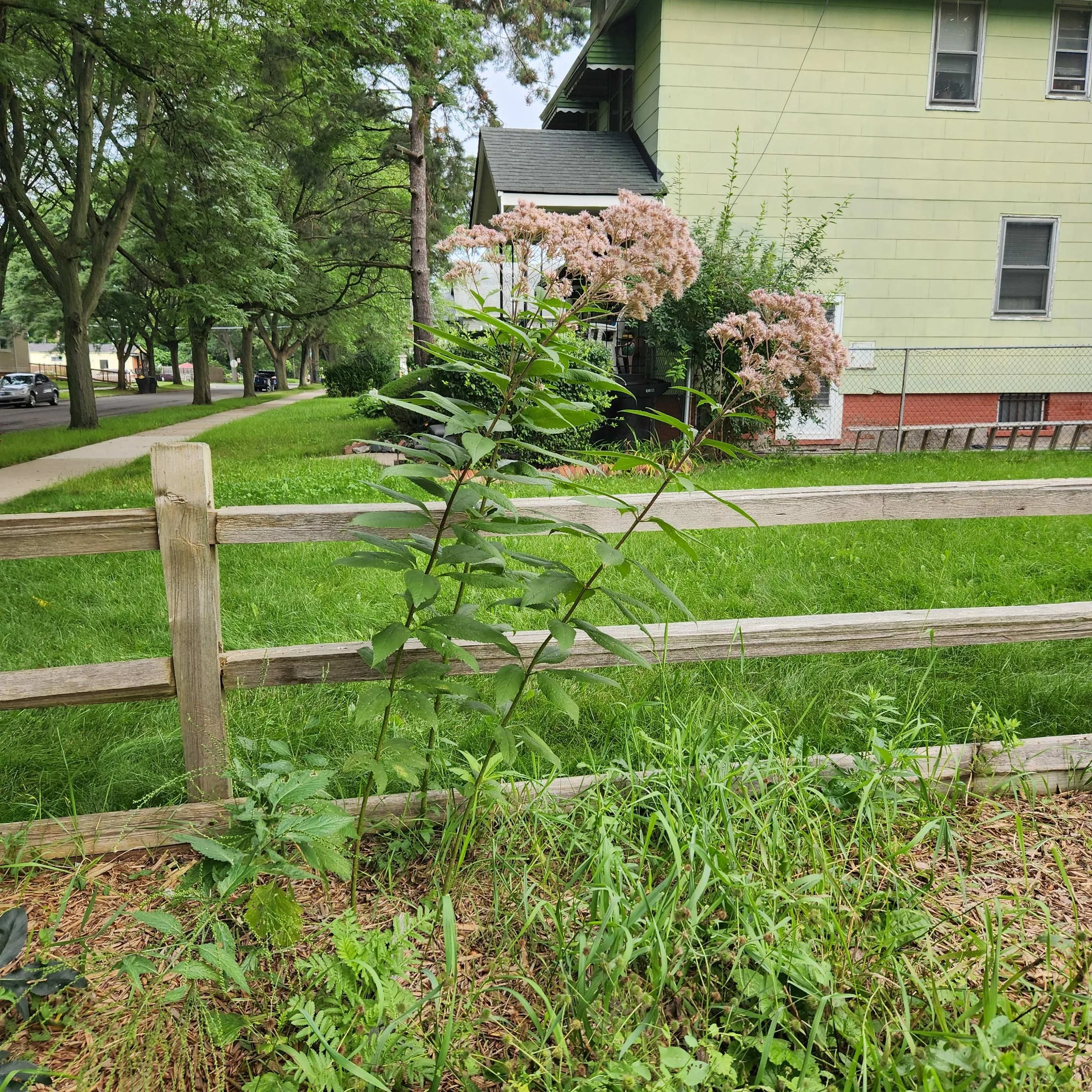
The plant produces clusters of intense, rosy-purple flowers like the original Vernonia missurica that cover the top half of the plant from late summer into early fall. The dark olive-green leaves feature a distinct silvery cast, providing season-long interest. It is prized for offering the "tough as iron" resilience of native ironweeds but in a much more manageable, garden-friendly size.
Grown from large bare roots this will be a substantial plant by end of May.
DA Planting Notes - We were gifted a Vernonia navitar a few years ago. We tested it out in two locations. Does better in FS. We love the naive that it is bred from, Vernonia missurica and have many of them in our gardens. It can be a gangly sort of plant and depending on the moisture level that season often loses the bottom foliage. We have been searching for one we could offer here that would be better in smaller gardens. The blooms on Prairie Princess are the same and research at trial gardens shows it attracts many pollinators.
Vernonia 'Prairie Princess', Ironweed
FS, Zone 4, blooms Aug-Oct, 3’ x 3’, low to average moisture, deer resistant
This is a navitar, a cultivated variety of Vernonia introduced by Walters Gardens, Zeeland, MI, bred for its compact, fuller shape and resistance to powdery mildew. Another improvement is the foliage which is fuller and stays that way through the season,
Keystone Species - It is the larval host plant for 20 species of moths and butterflies, including the American Lady and the Painted Lady butterflies. It is also the host for several specialist bees. The Denticulate Longhorn Bee s the most notable specialist for Ironweed. These bees are active from July to early September, perfectly synchronized with the plant's bloom period. They are known for collecting the plant's unique white pollen in thick, fluffy on their hind legs. By supporting a massive diversity of insects, it provides the essential food base (caterpillars and bugs) needed for birds to feed their young.
The plant produces clusters of intense, rosy-purple flowers like the original Vernonia missurica that cover the top half of the plant from late summer into early fall. The dark olive-green leaves feature a distinct silvery cast, providing season-long interest. It is prized for offering the "tough as iron" resilience of native ironweeds but in a much more manageable, garden-friendly size.
Grown from large bare roots this will be a substantial plant by end of May.
DA Planting Notes - We were gifted a Vernonia navitar a few years ago. We tested it out in two locations. Does better in FS. We love the naive that it is bred from, Vernonia missurica and have many of them in our gardens. It can be a gangly sort of plant and depending on the moisture level that season often loses the bottom foliage. We have been searching for one we could offer here that would be better in smaller gardens. The blooms on Prairie Princess are the same and research at trial gardens shows it attracts many pollinators.