 Image 1 of 3
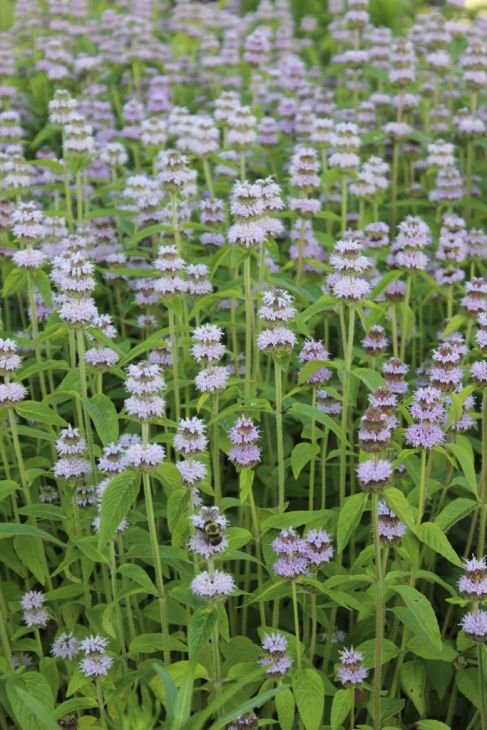 Image 2 of 3
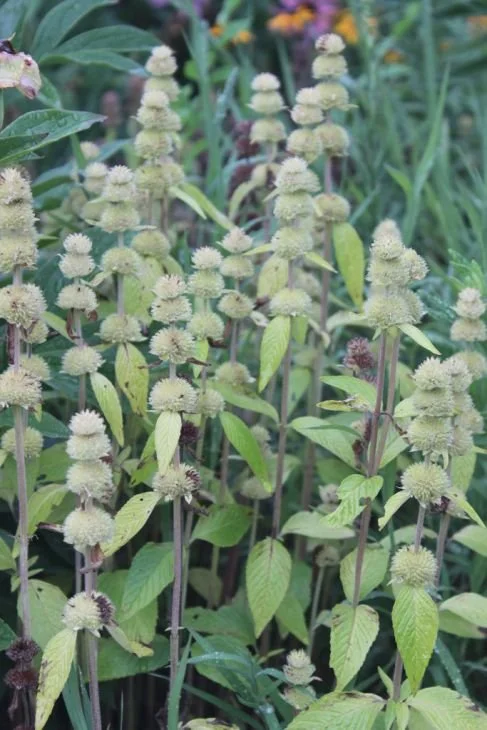 Image 3 of 3
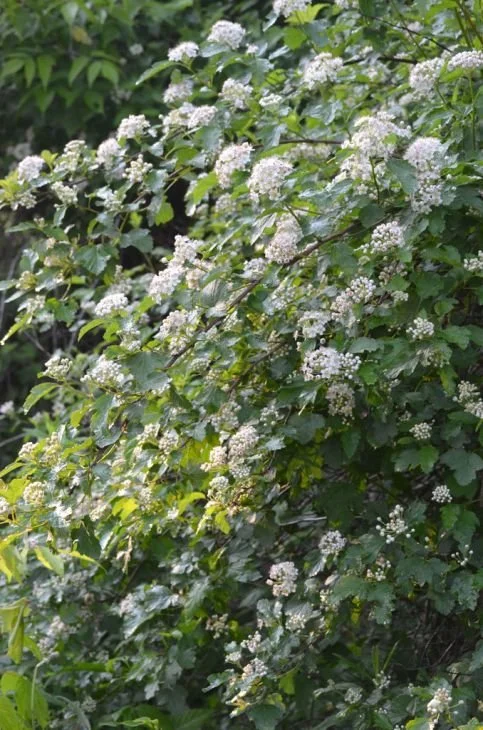
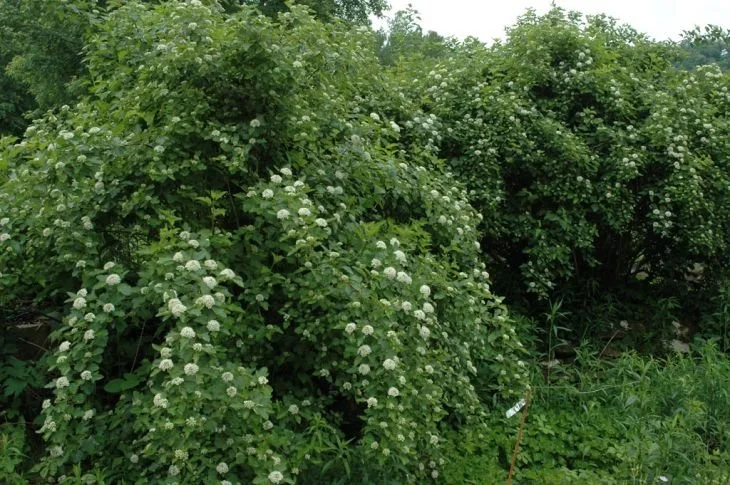
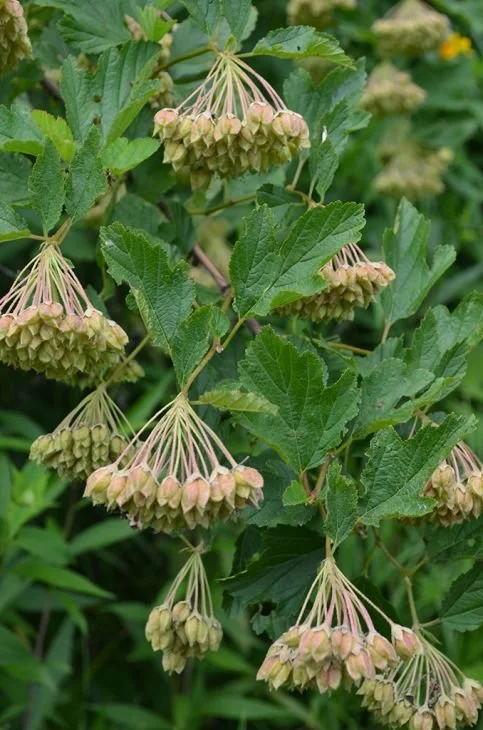
Blephilia cilata, Downy Wood Mint
FS - PS, Zone 4, blooms June - July, 1’ x 1’, medium to dry, deer resistant
Once established this plant will be drought resistant and do well in many conditions. Likewise it supports a wide population of wildlife and pollinators. Over 75 species of pollinators have been observed in our area. It is the larval host for 11 species of moths and butterflies including the Gray Hairstreak butterfly.
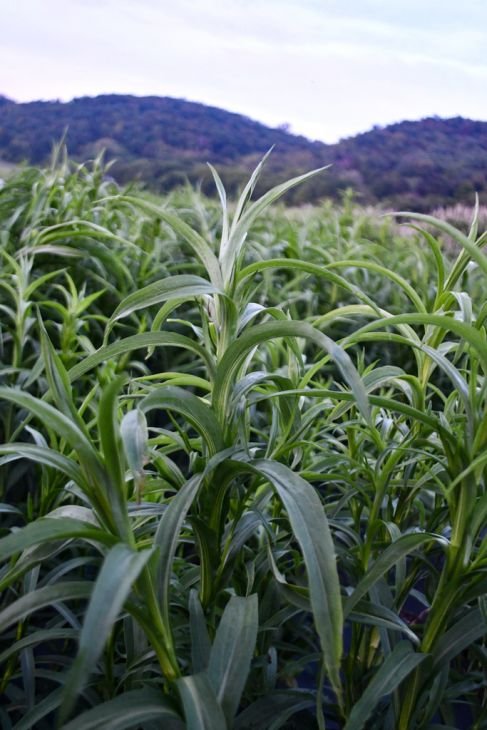
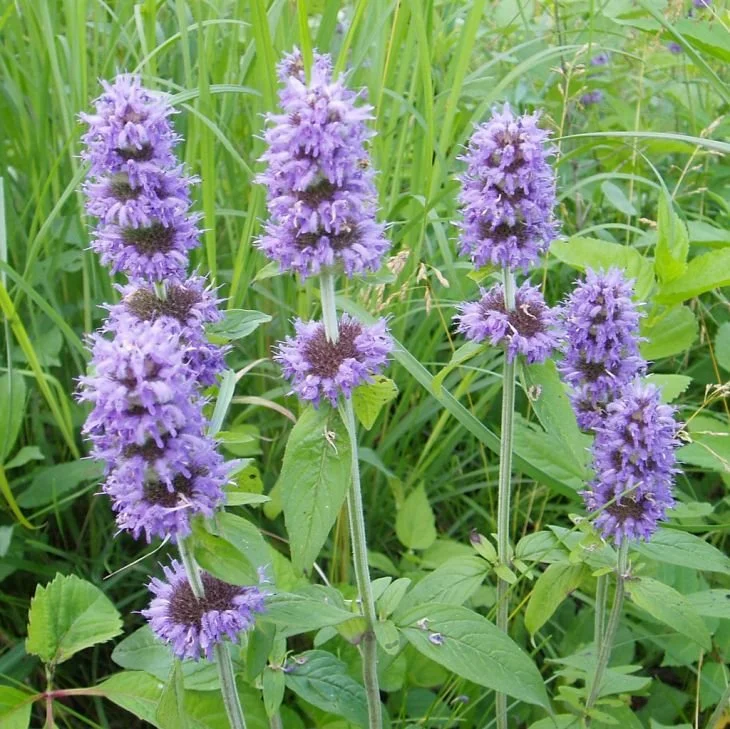
The flowers are whorled up the stem and resemble pagodas. The florets are hairy and twin-lipped with three lobes and reddish spots on the lower lip. Basal leaves stay green through winter which also provides wildlife cover. The dried flowers provide nice winter visuals.
The flowers and leaves can be used to make teas.
It is an exceptional nectar source for long-tongued bees, bumblebees, and hummingbirds.
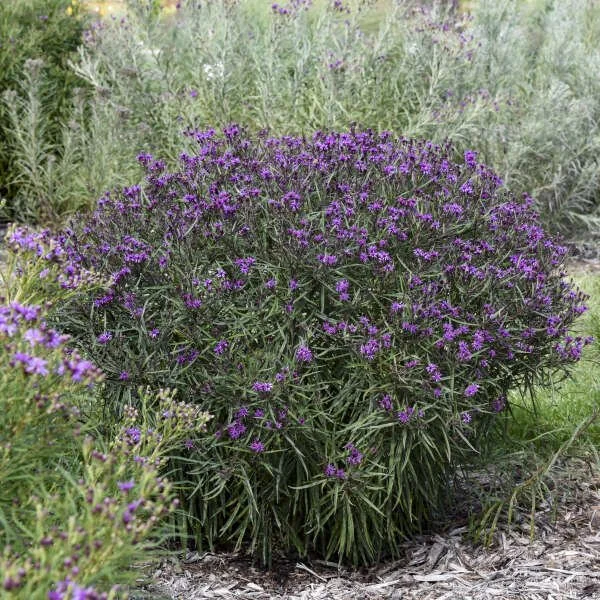
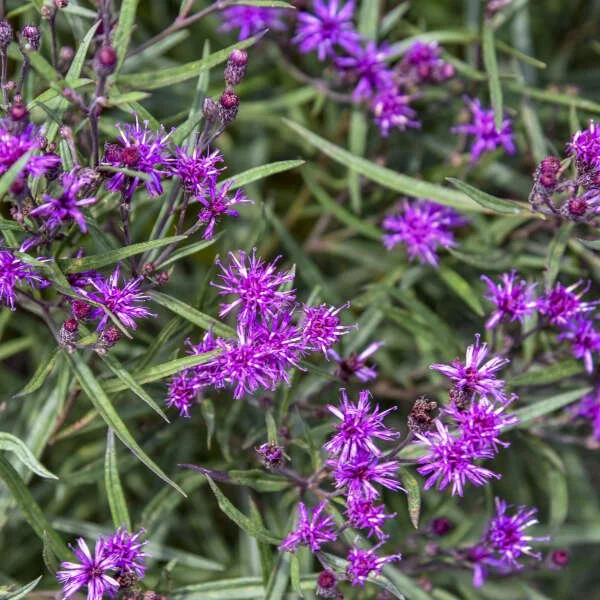
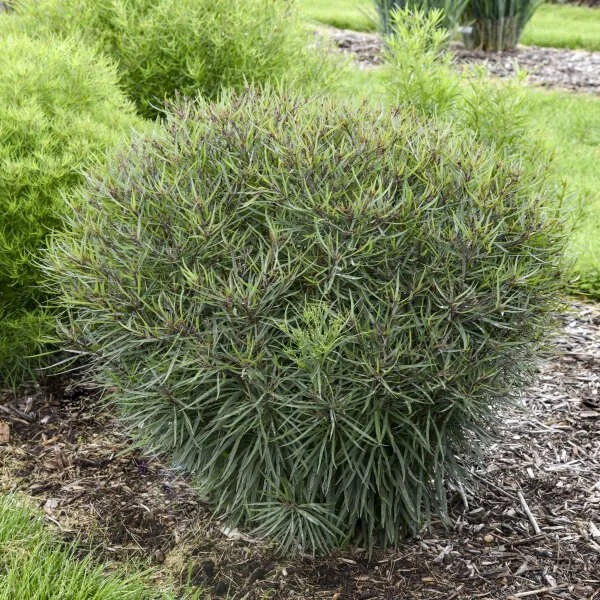
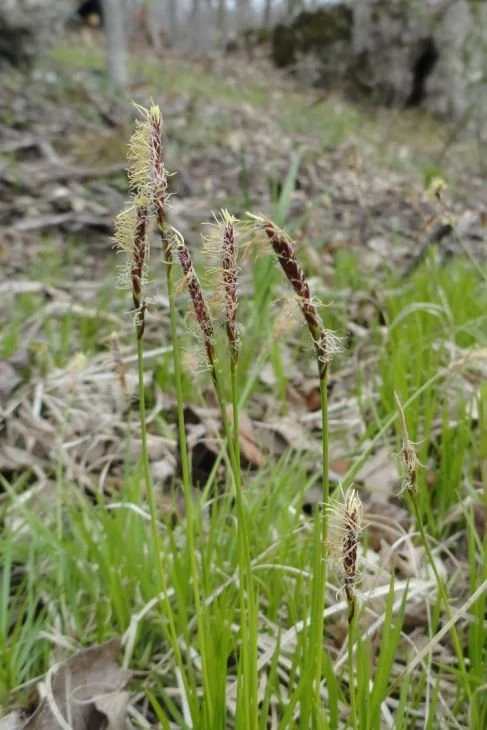
Photos are from Prairie Moon Nursery in Wisconsin, where we are sourcing these plants. We will post our photos as soon as we have some!
Blephilia cilata, Downy Wood Mint
FS - PS, Zone 4, blooms June - July, 1’ x 1’, medium to dry, deer resistant
Once established this plant will be drought resistant and do well in many conditions. Likewise it supports a wide population of wildlife and pollinators. Over 75 species of pollinators have been observed in our area. It is the larval host for 11 species of moths and butterflies including the Gray Hairstreak butterfly.
The flowers are whorled up the stem and resemble pagodas. The florets are hairy and twin-lipped with three lobes and reddish spots on the lower lip. Basal leaves stay green through winter which also provides wildlife cover. The dried flowers provide nice winter visuals.
The flowers and leaves can be used to make teas.
It is an exceptional nectar source for long-tongued bees, bumblebees, and hummingbirds.
Photos are from Prairie Moon Nursery in Wisconsin, where we are sourcing these plants. We will post our photos as soon as we have some!