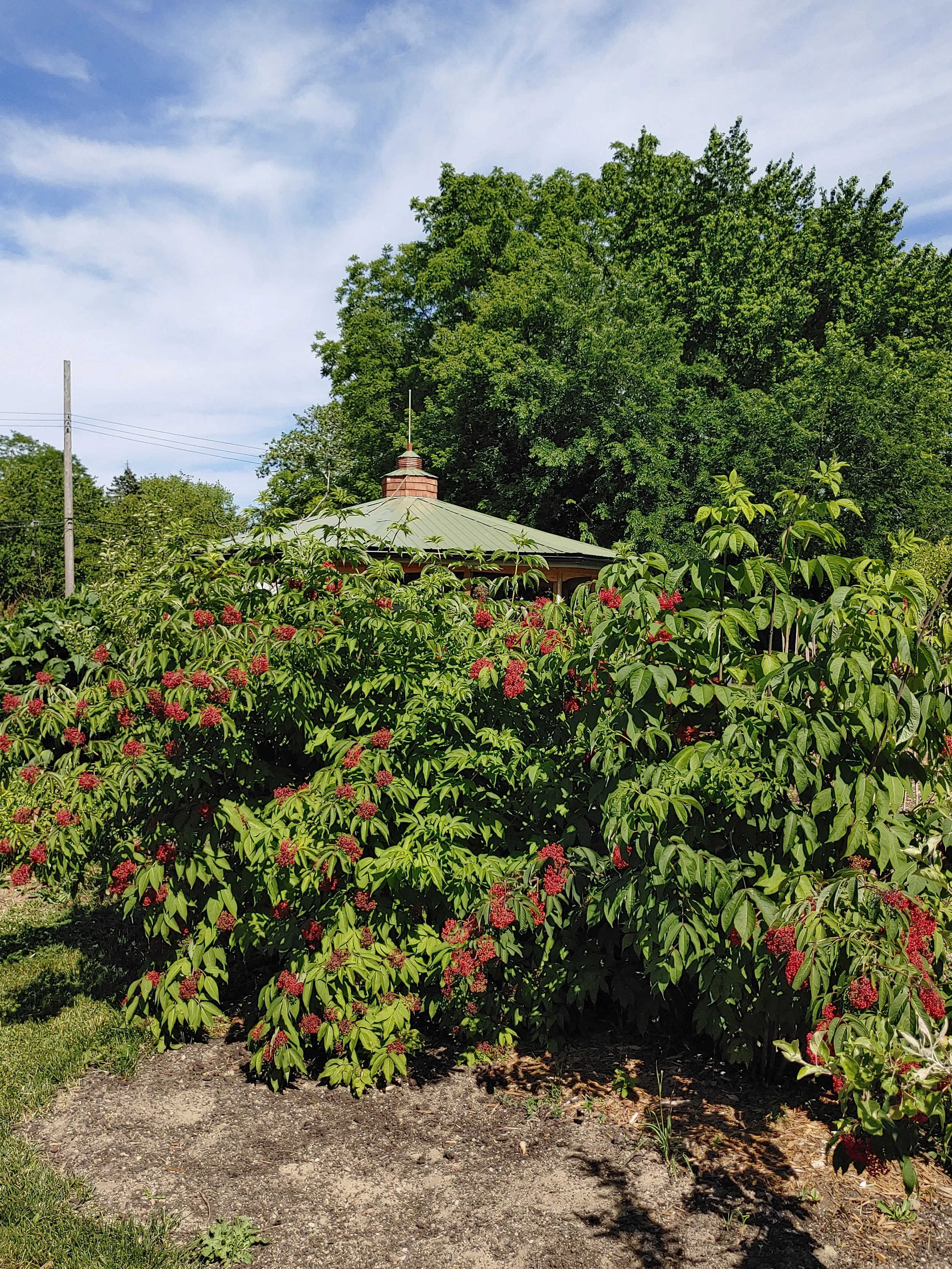
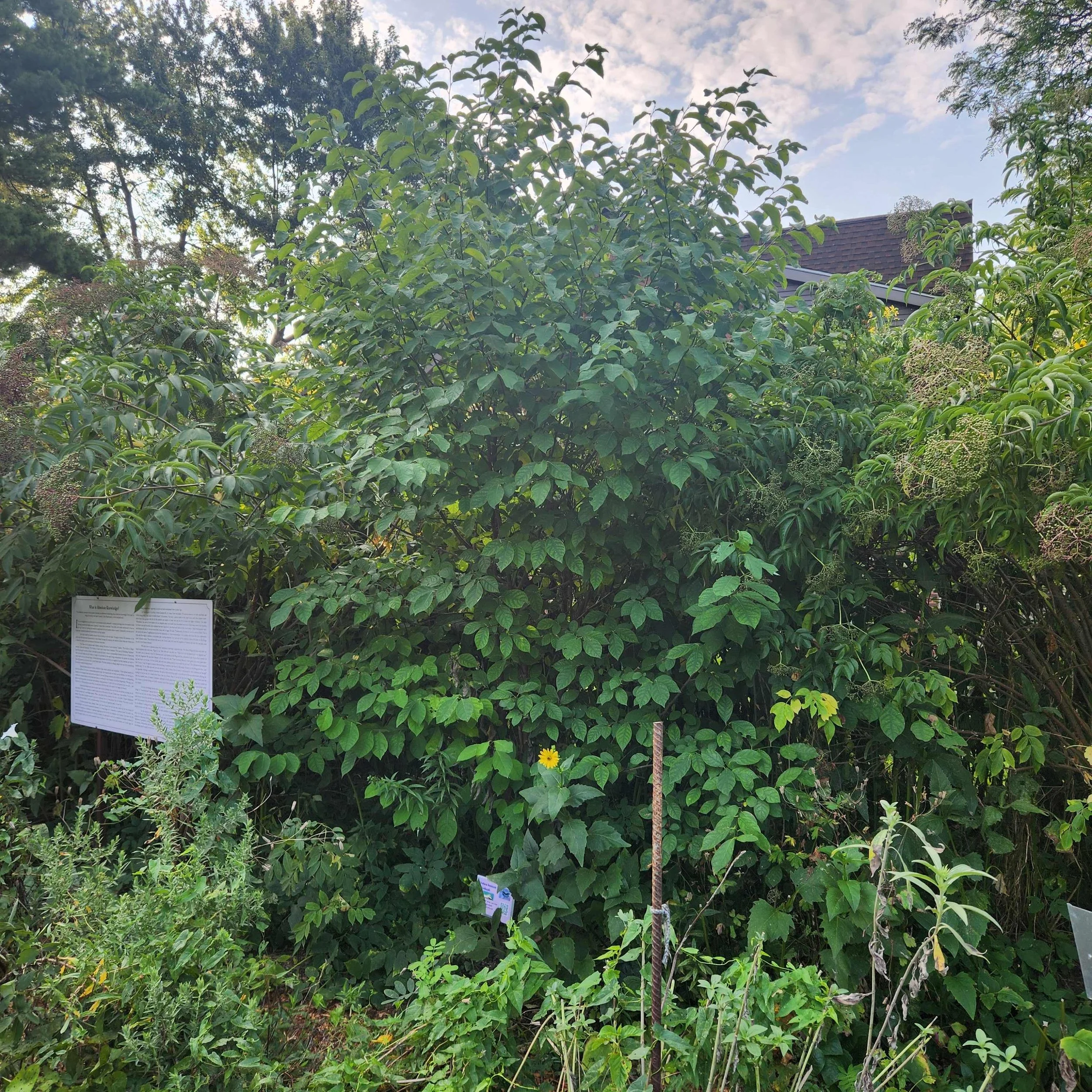
 Image 1 of 3
 Image 2 of 3
 Image 3 of 3
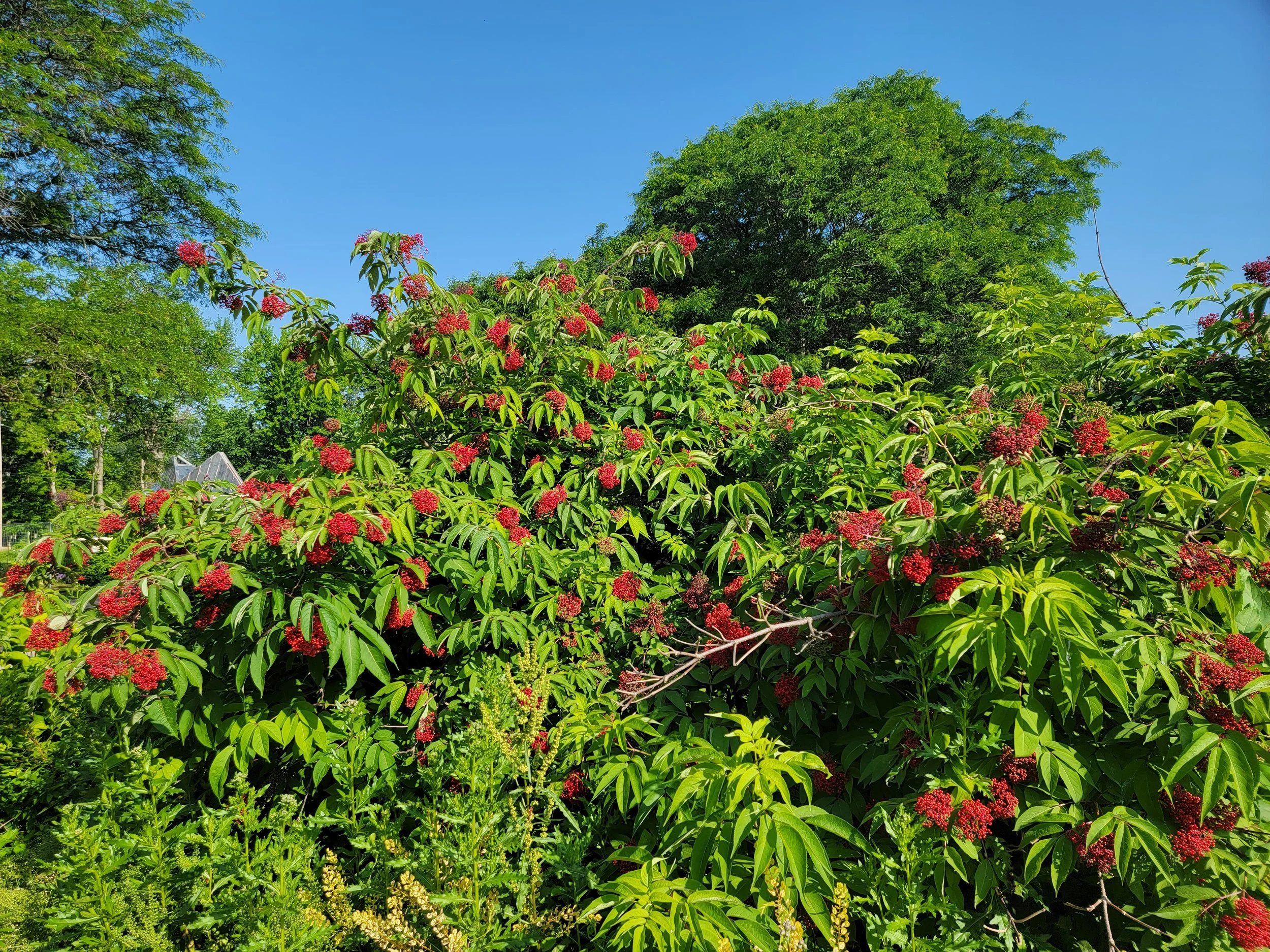
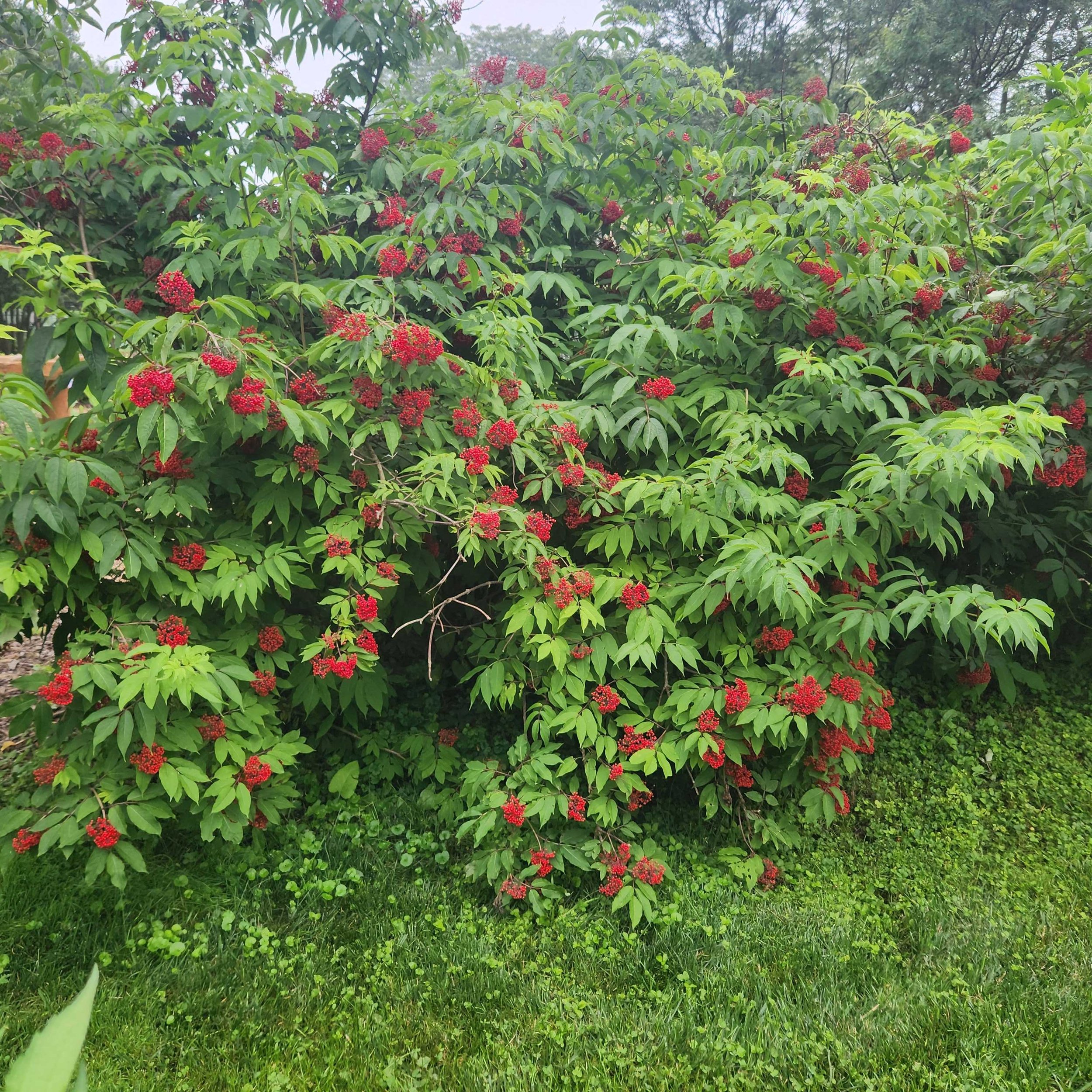
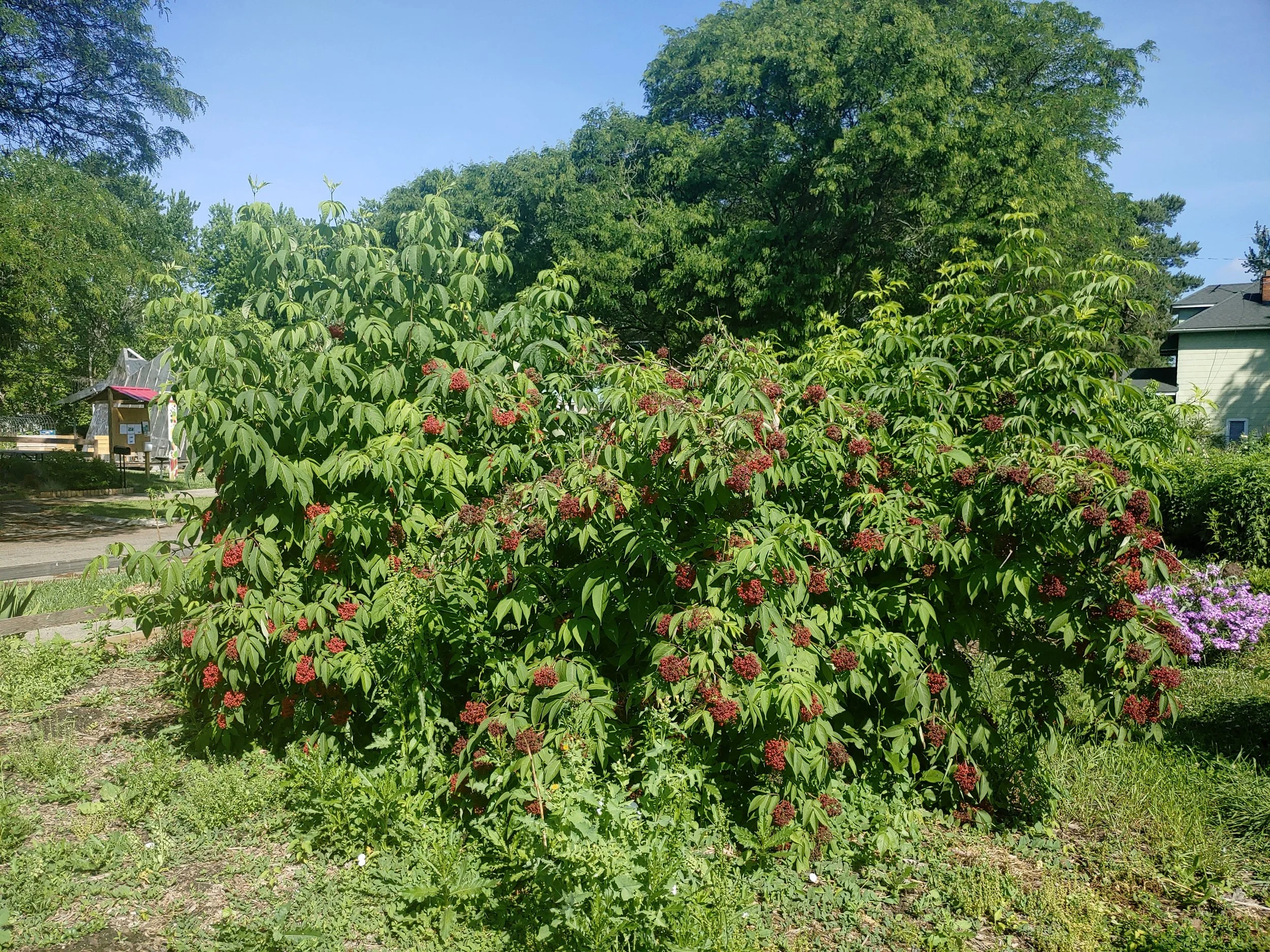
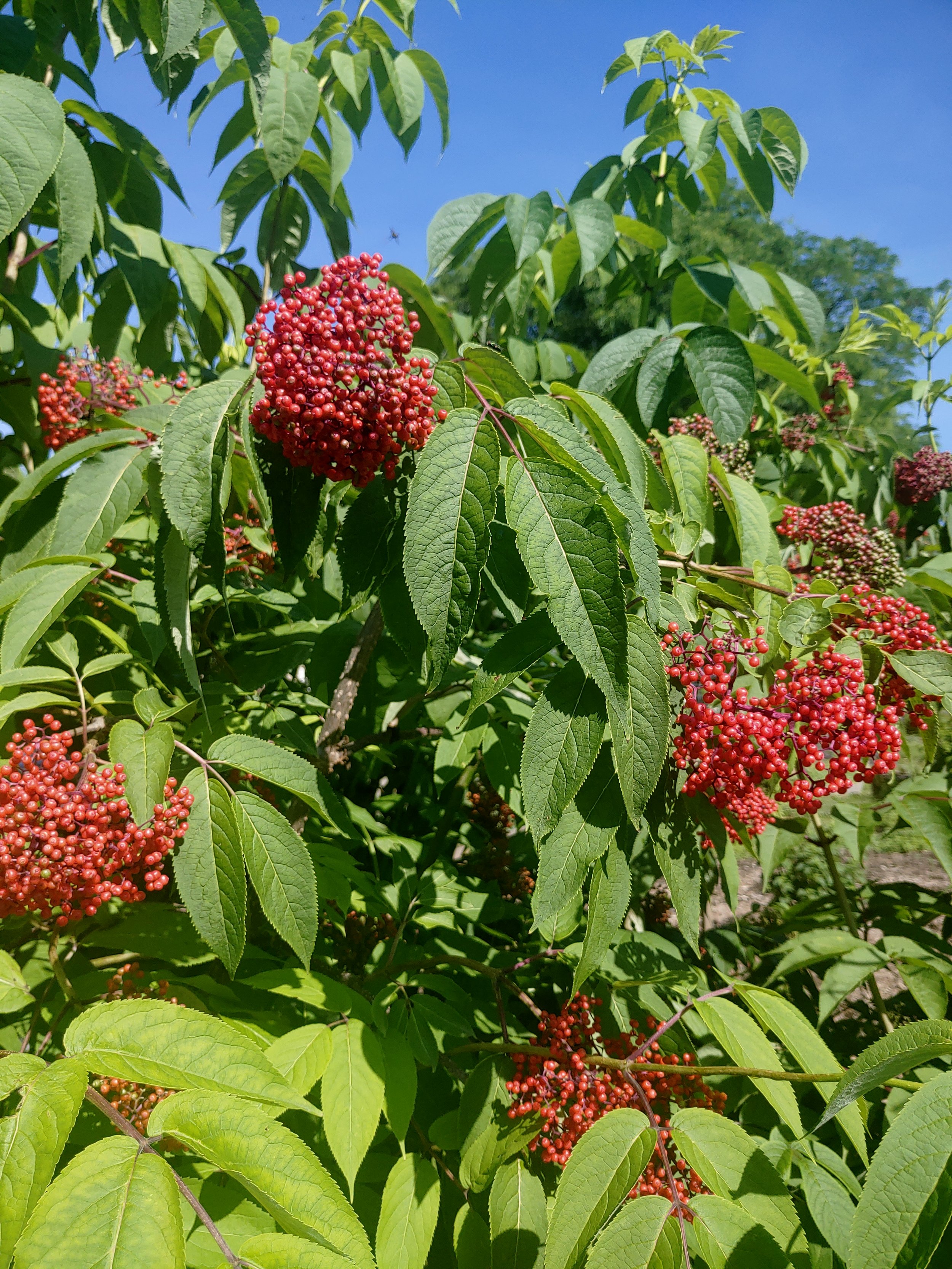
Lindera benzoin, Spicebush
PS, Zone 4, wet to medium, blooms April to May, 8’ - 15’ x 6’- 8’ deer and rabbit resistant.
Shrub starts are at least 18” tall. Whatever we do not sell in 2026 will be potted up in 3 gallon pots and sold as mature shrubs in 2027.
Keystone Species - It is the larval host plant for 10 species of butterflies and moths including acting as the primary host plant for the Spicebush Swallowtail. Its bright red berries (drupes) have some of the highest fat and protein content of any native fruit. This makes them a vital energy source for migratory songbirds like thrushes, vireos, and robins during their fall journeys. It is considered a foundational or high-value native species because its absence wouldn't necessarily cause the entire ecosystem to collapse, though it would significantly degrade local biodiversity.
The spicebush, named for its spicy, fragrant leaves and stems, is native to moist woodlands in the Midwest. It becomes a large, 5- to 15’-tall shrub that is slightly wider than tall. In nature it grows in woods, ravines, valleys and along streams.
Its leaves are the preferred food for the black and blue spicebush swallowtail butterfly larvae. The bright red drupes that ripen from July through October, which have an exceptionally high fat content, are quickly eaten by various species of birds. Spicebush is a dioecious plant (separate male and female plants), with the male flowers being larger and showier than the female. The flowers of female plants give way to bright red drupes, up to 1/2″ long, which mature and are very attractive in fall, although largely hidden until the leaves drop. Drupes are not considered thw same as berries. Drupes have a fleshy exterior that surrounds a pit/seed. The green foliage turns to an attractive bright gold in the fall.
Attracts a wide variety of native bees, honeybees, wasps, flies and butterflies in the spring to its flowers for nectar. It is the host plant for the Spicebush Swallowtail and it’s berries are an important food source for migratory birds.
Lindera benzoin, Spicebush
PS, Zone 4, wet to medium, blooms April to May, 8’ - 15’ x 6’- 8’ deer and rabbit resistant.
Shrub starts are at least 18” tall. Whatever we do not sell in 2026 will be potted up in 3 gallon pots and sold as mature shrubs in 2027.
Keystone Species - It is the larval host plant for 10 species of butterflies and moths including acting as the primary host plant for the Spicebush Swallowtail. Its bright red berries (drupes) have some of the highest fat and protein content of any native fruit. This makes them a vital energy source for migratory songbirds like thrushes, vireos, and robins during their fall journeys. It is considered a foundational or high-value native species because its absence wouldn't necessarily cause the entire ecosystem to collapse, though it would significantly degrade local biodiversity.
The spicebush, named for its spicy, fragrant leaves and stems, is native to moist woodlands in the Midwest. It becomes a large, 5- to 15’-tall shrub that is slightly wider than tall. In nature it grows in woods, ravines, valleys and along streams.
Its leaves are the preferred food for the black and blue spicebush swallowtail butterfly larvae. The bright red drupes that ripen from July through October, which have an exceptionally high fat content, are quickly eaten by various species of birds. Spicebush is a dioecious plant (separate male and female plants), with the male flowers being larger and showier than the female. The flowers of female plants give way to bright red drupes, up to 1/2″ long, which mature and are very attractive in fall, although largely hidden until the leaves drop. Drupes are not considered thw same as berries. Drupes have a fleshy exterior that surrounds a pit/seed. The green foliage turns to an attractive bright gold in the fall.
Attracts a wide variety of native bees, honeybees, wasps, flies and butterflies in the spring to its flowers for nectar. It is the host plant for the Spicebush Swallowtail and it’s berries are an important food source for migratory birds.