 Image 1 of 5
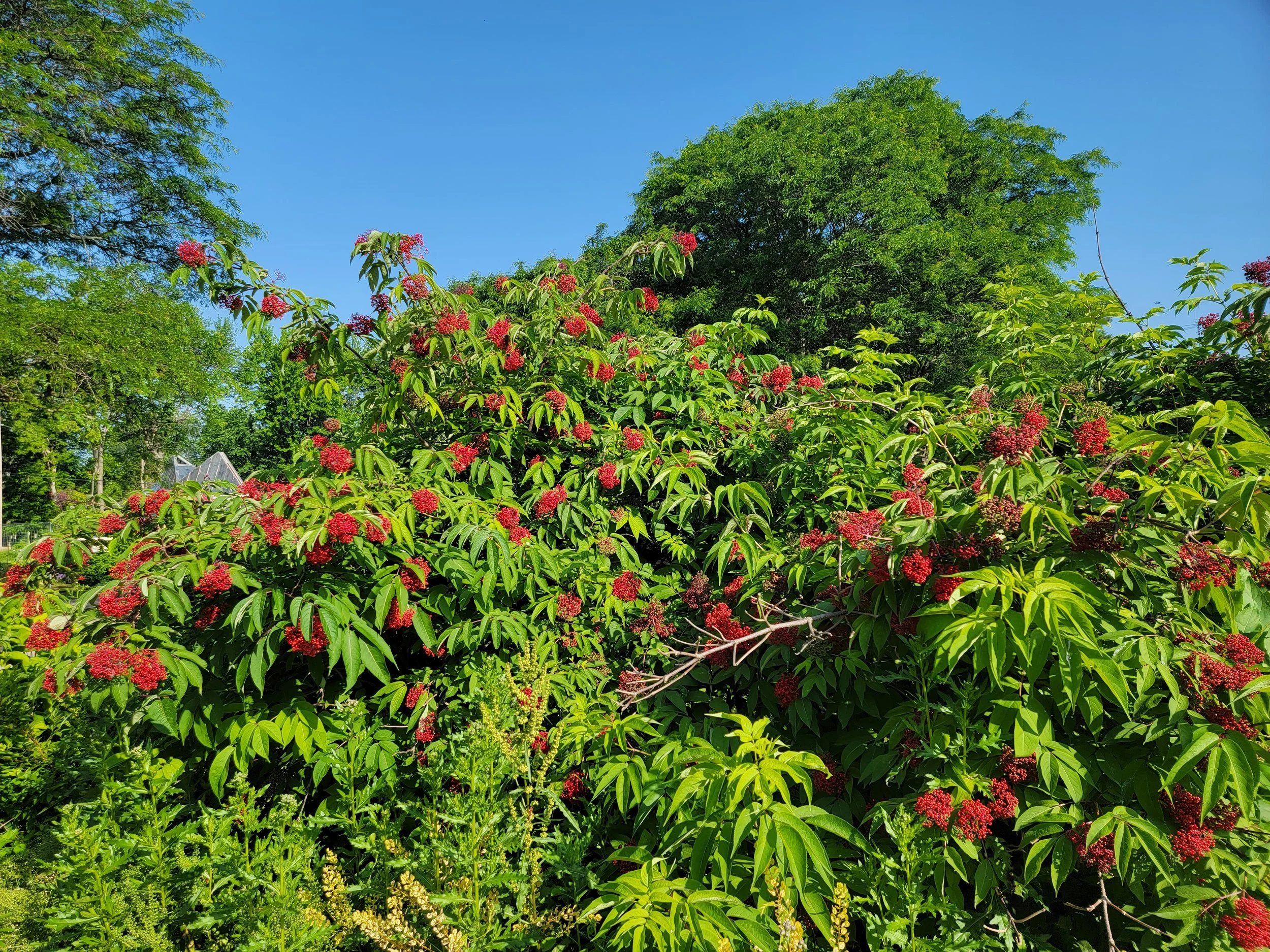 Image 2 of 5
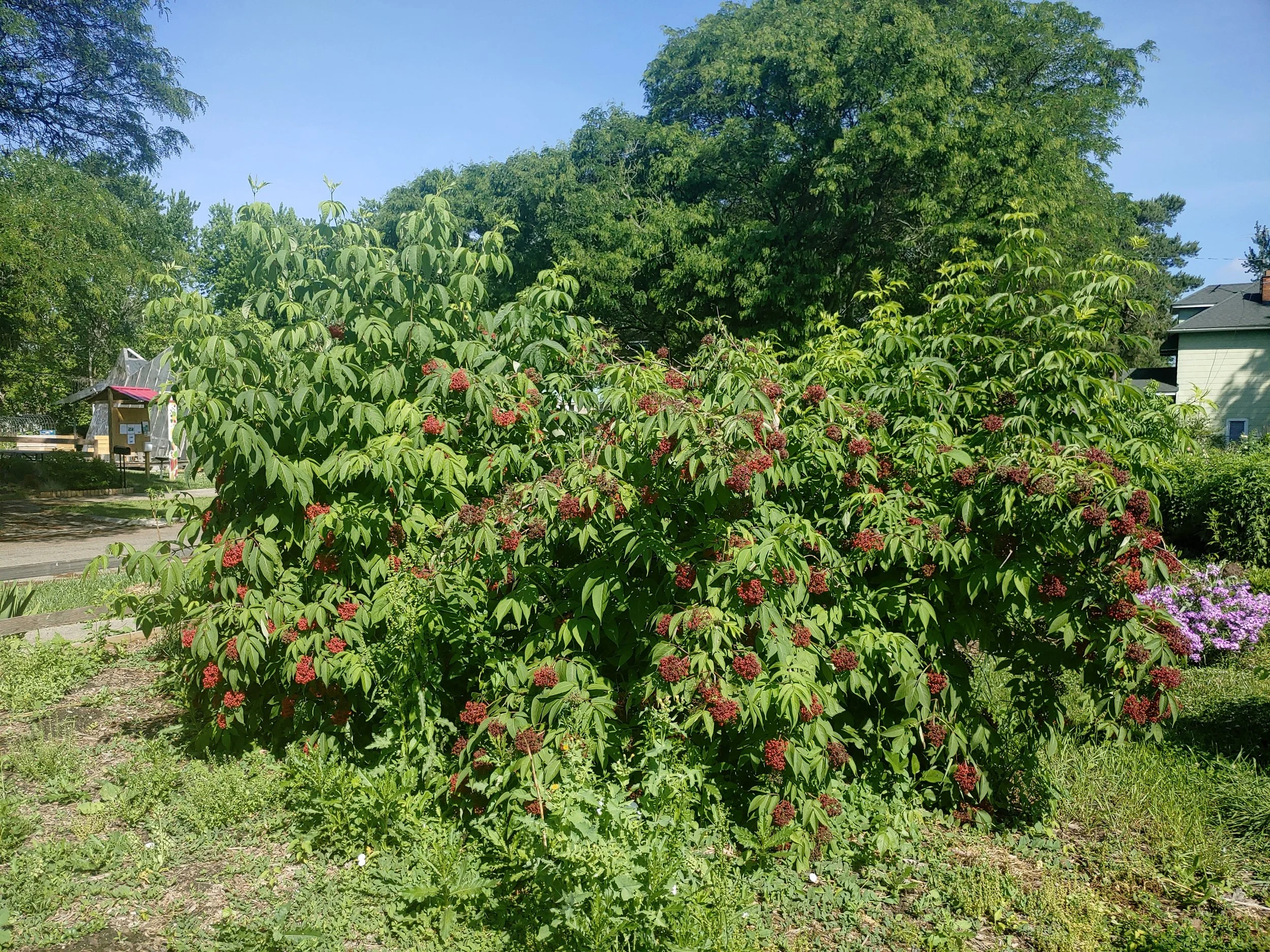 Image 3 of 5
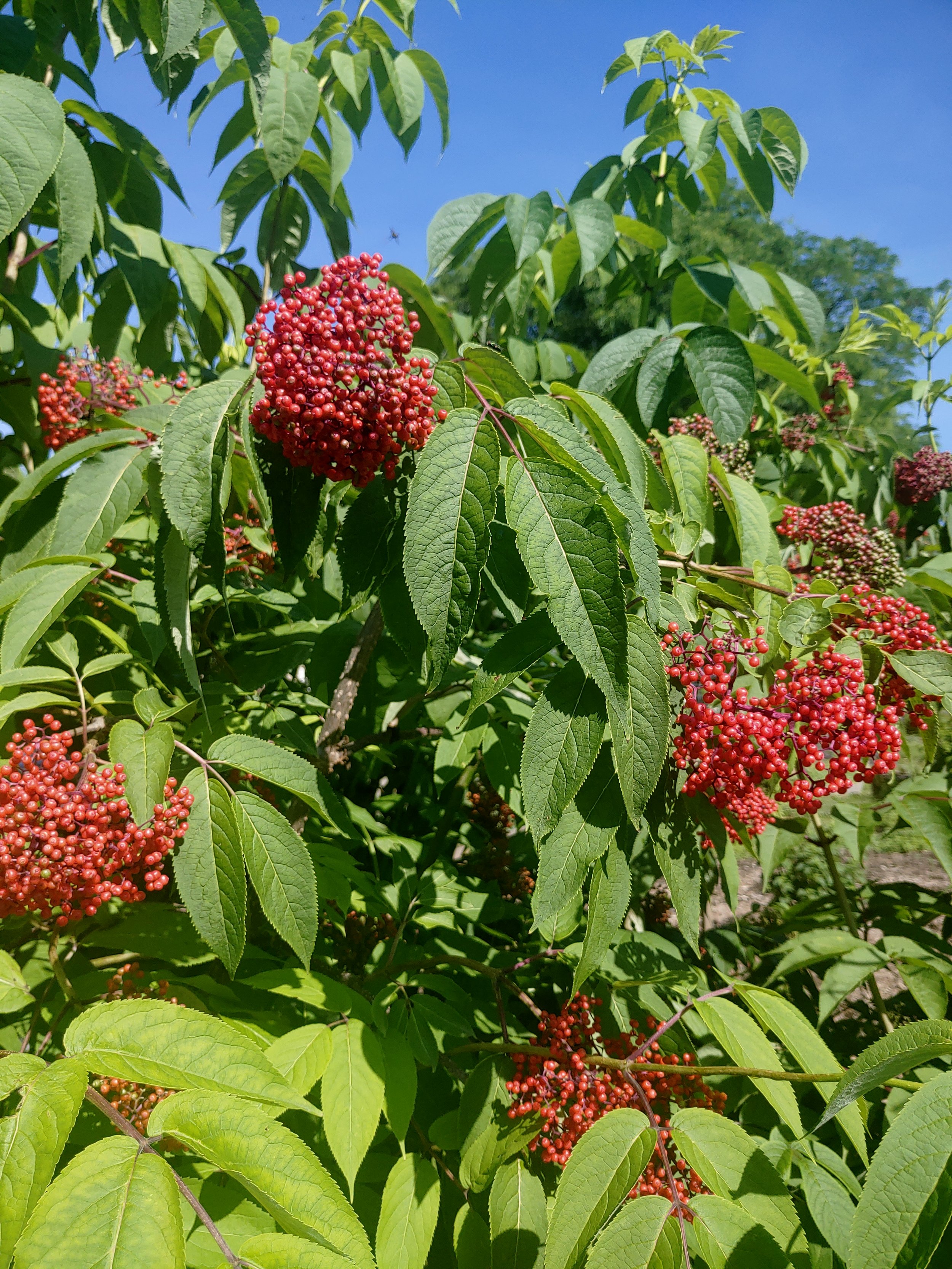 Image 4 of 5
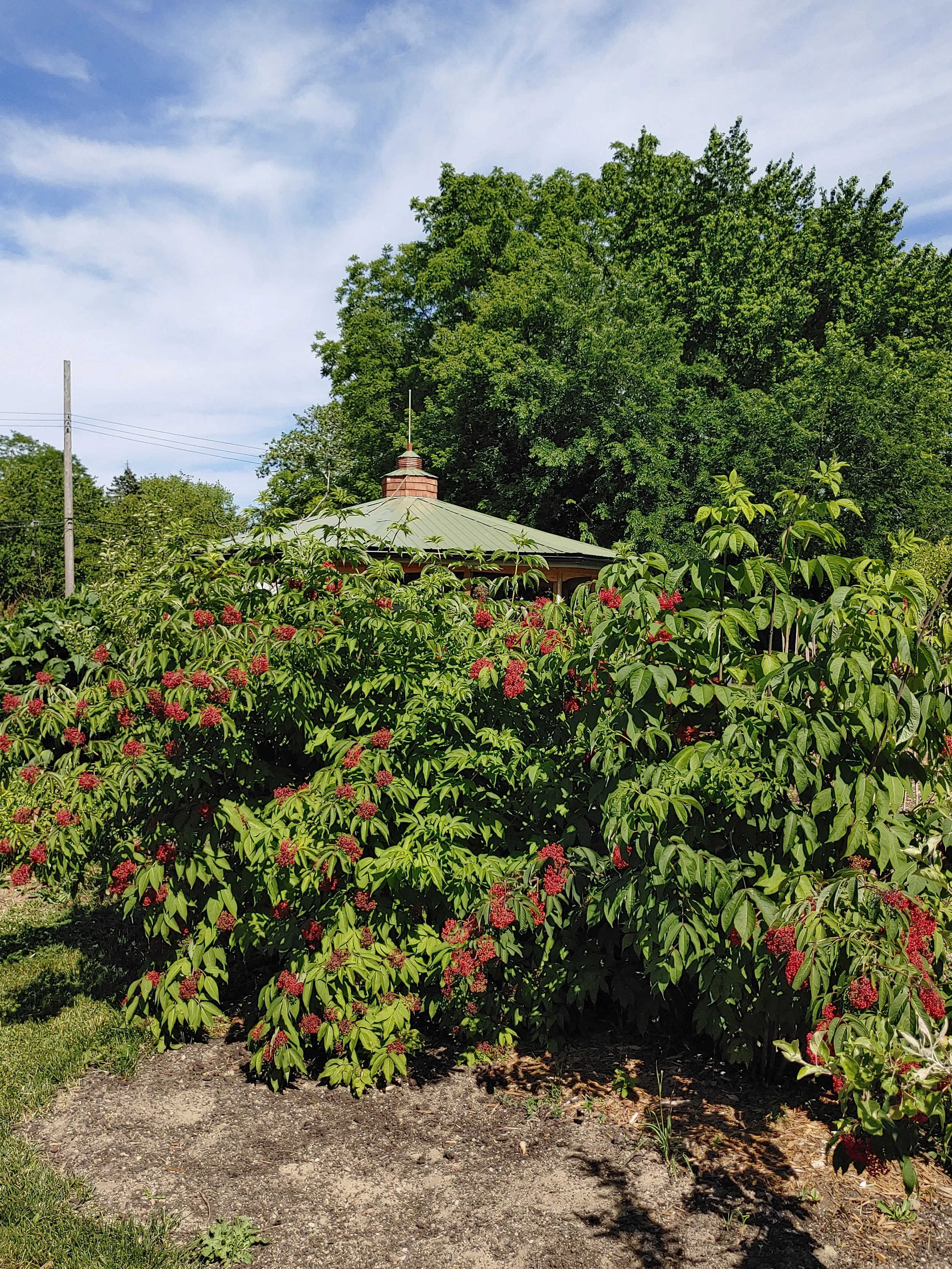 Image 5 of 5
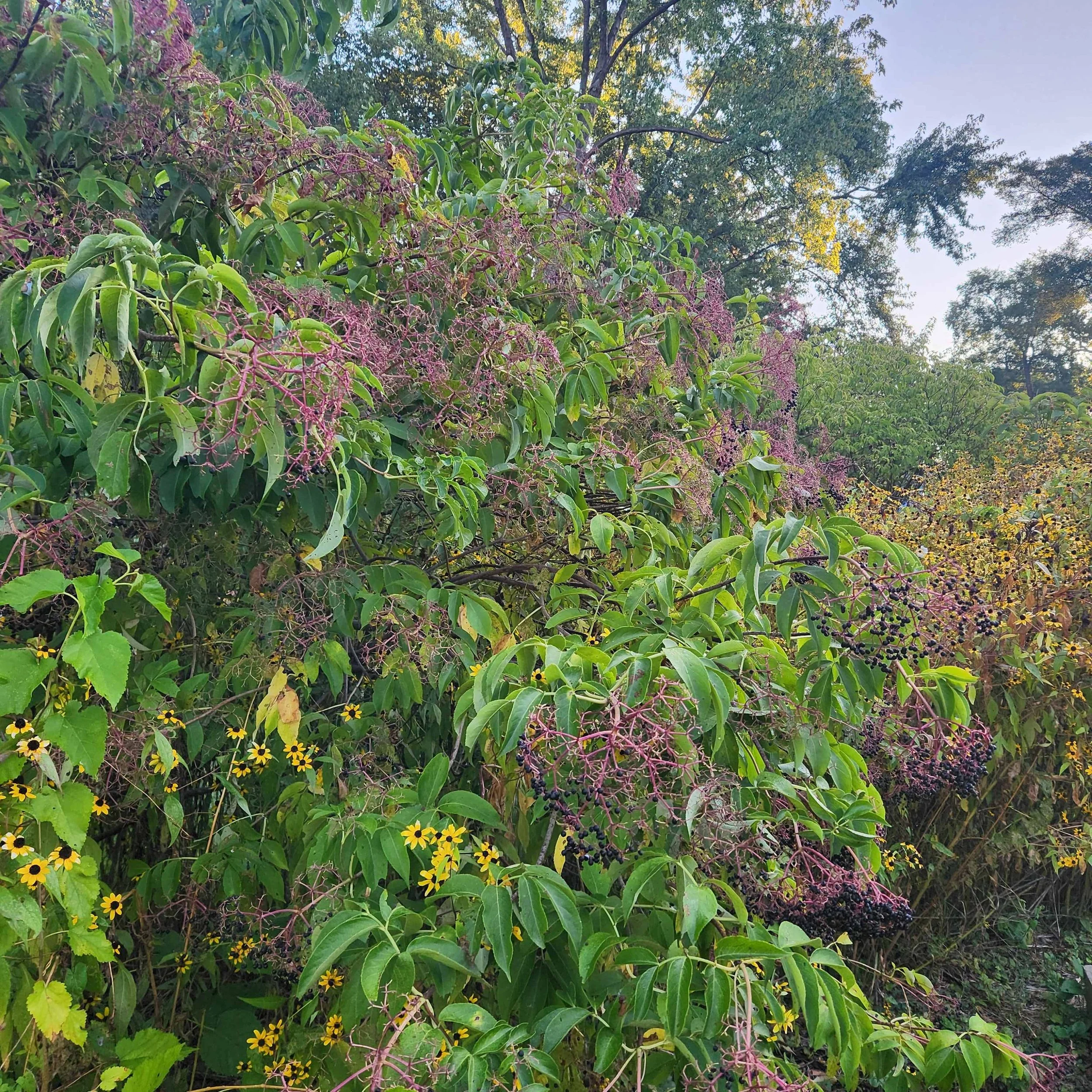
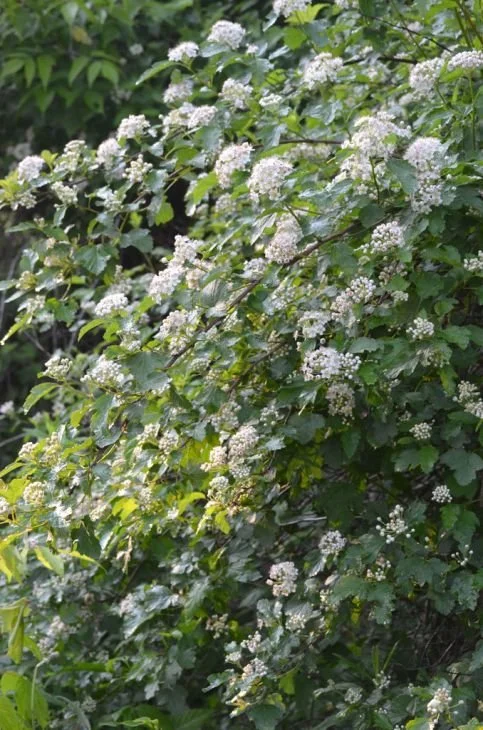
Sambucus racemosa, Red-Berried Elderberry
PS-Shade, Zone 3, Blooms April-May, 8-12’ x 6’, medium - medium dry, deer resistant
Even though it lacks the "keystone" title, Sambucus racemosa is still incredibly valuable to Michigan ecosystems, particularly in the Upper Peninsula and Northern Lower Peninsula.
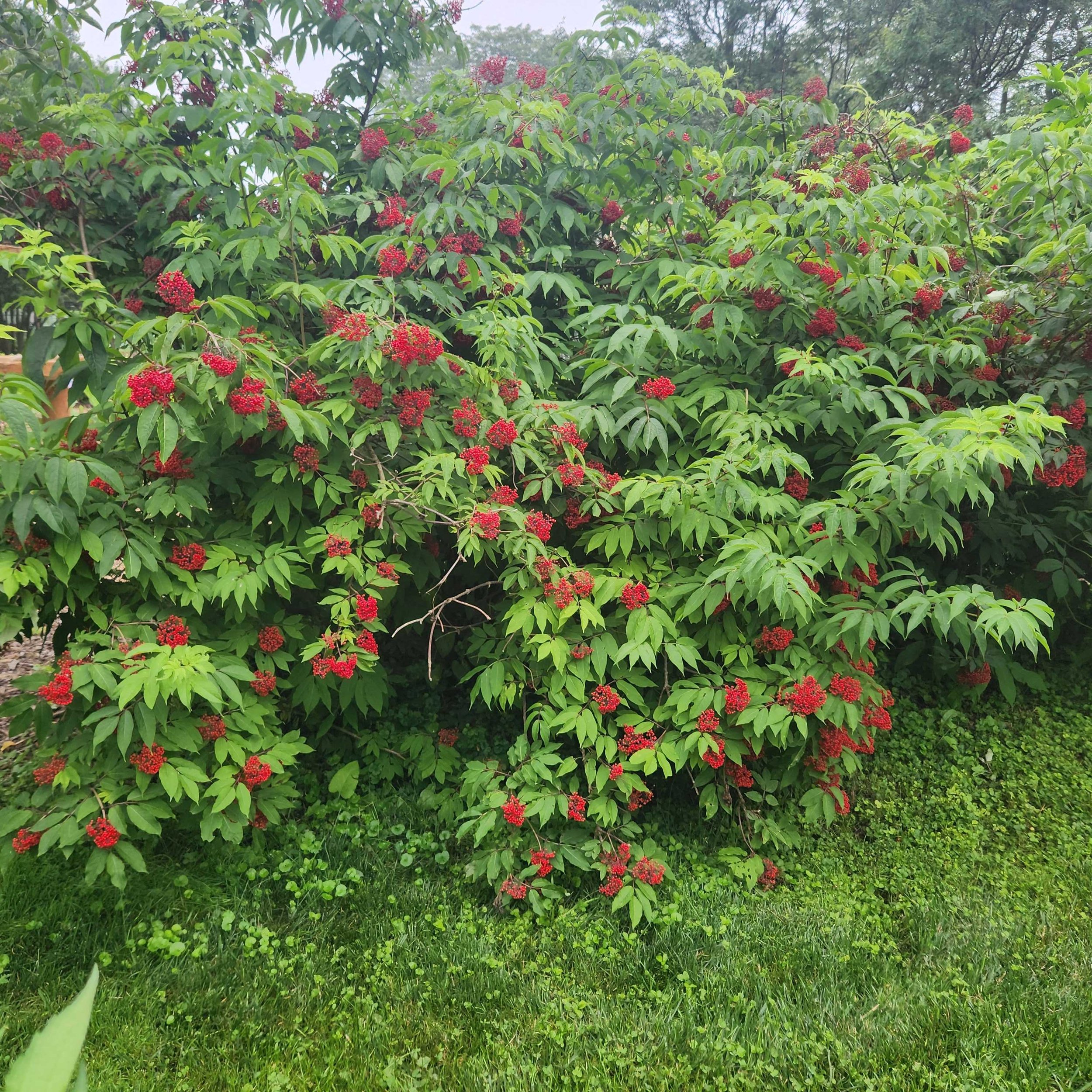
Its bright red berries ripen much earlier (June/July) than common black elderberries, feeding migratory birds when other fruits are scarce. Its arching, multi-stemmed structure creates excellent thickets for nesting songbirds.
DA Notes - We planted two Red-Berried Elderberries about 7 years ago. Our plants are in full sun, proving again how versatile natives can be. We consider the shrubs Robin terrirory! While the berries are not for humans, they definitely feed our Robin population. The shrubs provide dense cover for other wildlife if you take the time to look.
Sambucus racemosa, Red-Berried Elderberry
PS-Shade, Zone 3, Blooms April-May, 8-12’ x 6’, medium - medium dry, deer resistant
Even though it lacks the "keystone" title, Sambucus racemosa is still incredibly valuable to Michigan ecosystems, particularly in the Upper Peninsula and Northern Lower Peninsula.
Its bright red berries ripen much earlier (June/July) than common black elderberries, feeding migratory birds when other fruits are scarce. Its arching, multi-stemmed structure creates excellent thickets for nesting songbirds.
DA Notes - We planted two Red-Berried Elderberries about 7 years ago. Our plants are in full sun, proving again how versatile natives can be. We consider the shrubs Robin terrirory! While the berries are not for humans, they definitely feed our Robin population. The shrubs provide dense cover for other wildlife if you take the time to look.