 Image 1 of 2
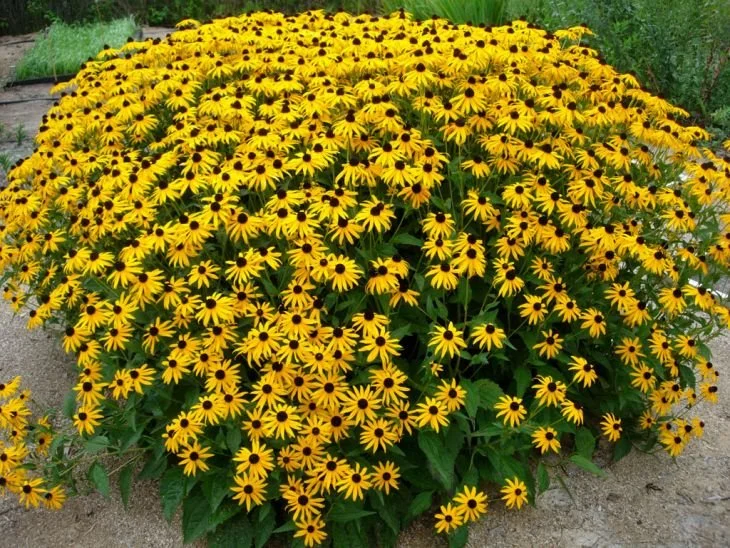 Image 2 of 2
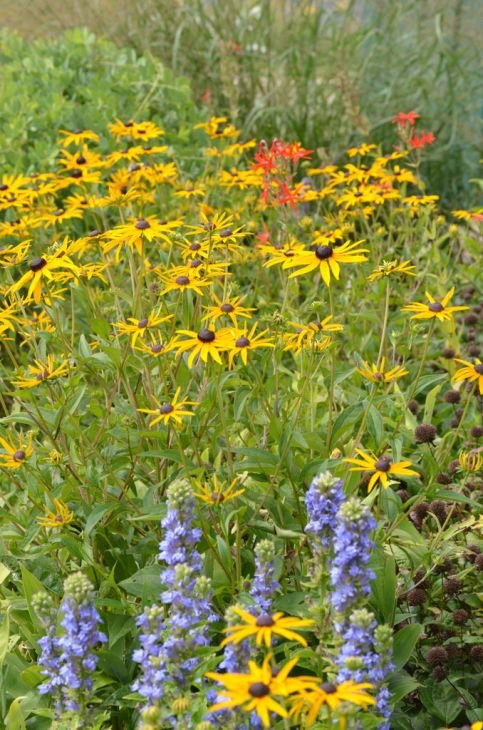
Rudbeckia fulgida, Orange Coneflower
FS - PS, Zone 3, Blooms July - Sept., 3’ x 2’, medium-wet - medium-dry, deer resistant
Keystone Species - Is the larval-host plant for 20 moths & butterflies including the Silvery Checkerspot. It provides essential pollen for approximately 29 species of specialist bees. Specialist bees can only raise their young on the pollen of specific native plant families or genera. In the fall and winter, the dried seed heads of Rudbeckia fulgida provide a high-energy food source for songbirds like American Goldfinches and Chickadees.
Rudbeckias are a keystone plant. This means they are a native that supports more caterpillar and specialist bee species than other plants.
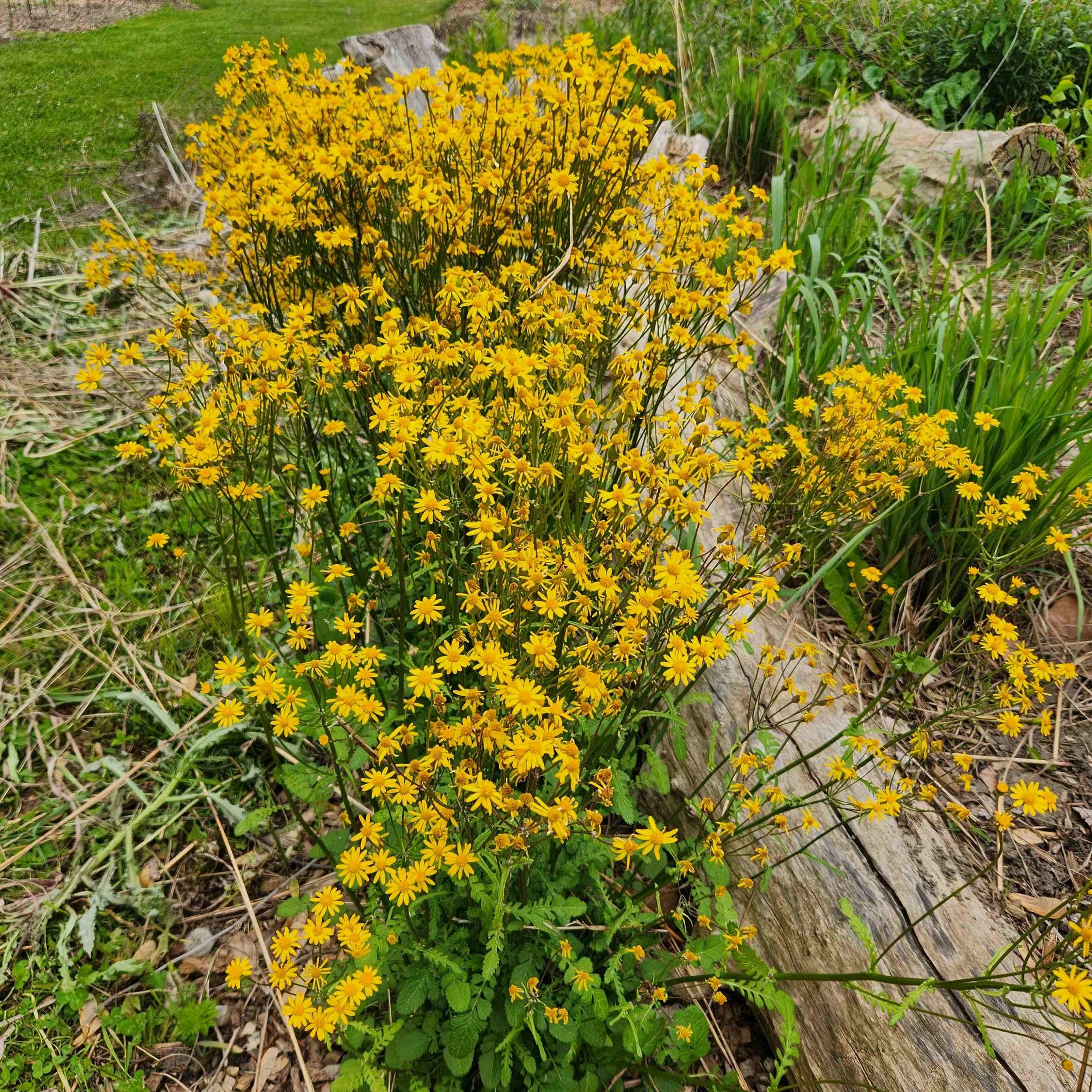
The plant grows from rizome network of roots. In spite of this, the plant is fairly well behaved and forms more of a nicely mounded dome. It can be controlled through division. Share the extras with others. Like many native, be sure to keep it watered until established. Once established, Orange coneflower can handle drought.
It supports many butterflies and moth species including the Silvery Checkerspot,Chlosyne nycteis and the Wavy-Lined Emerald (Synchlora aerata). This plant supports so many native bees including 25 species of specialist bees. All the caterpillars on Rudbeckia support birds as well as the seeds available late season.
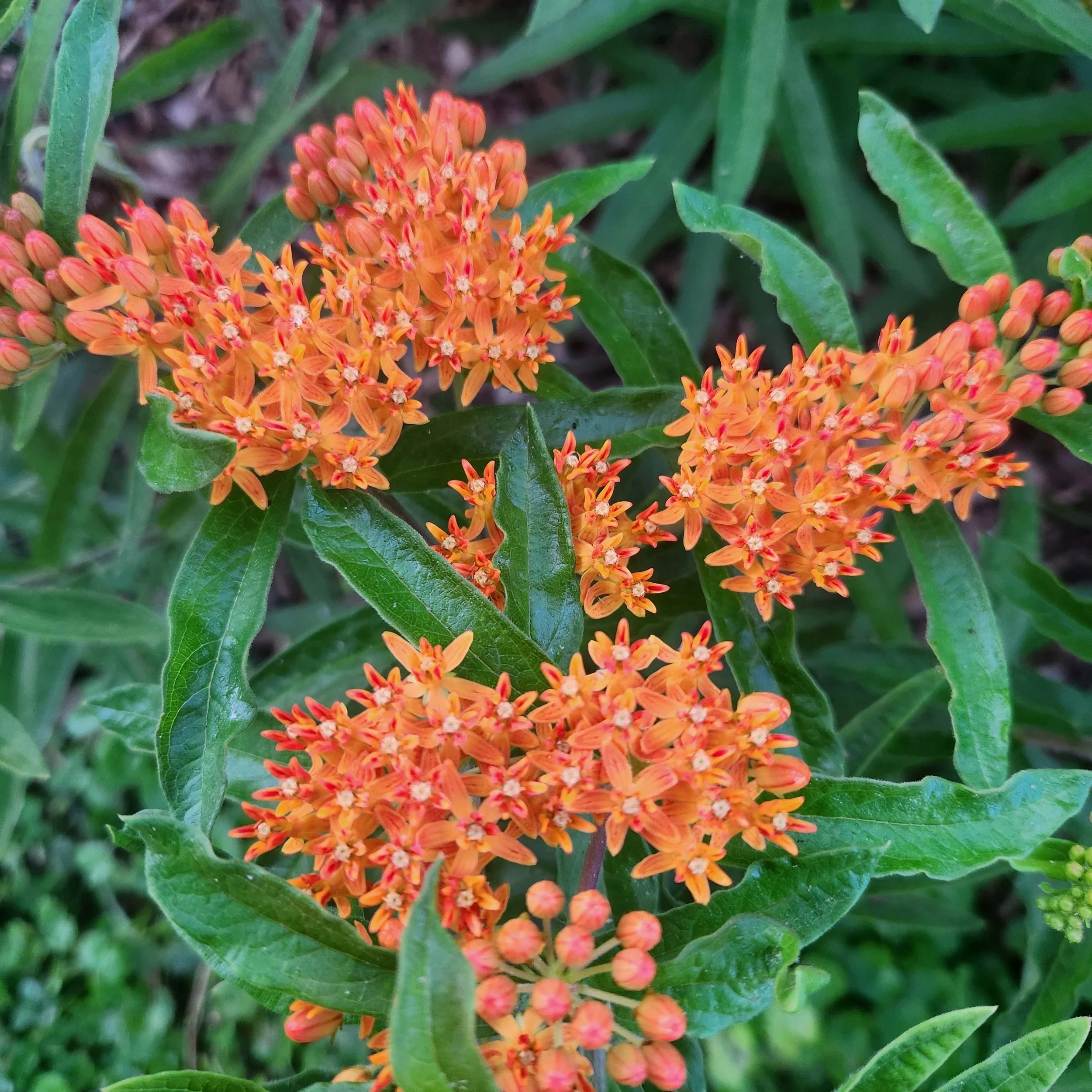
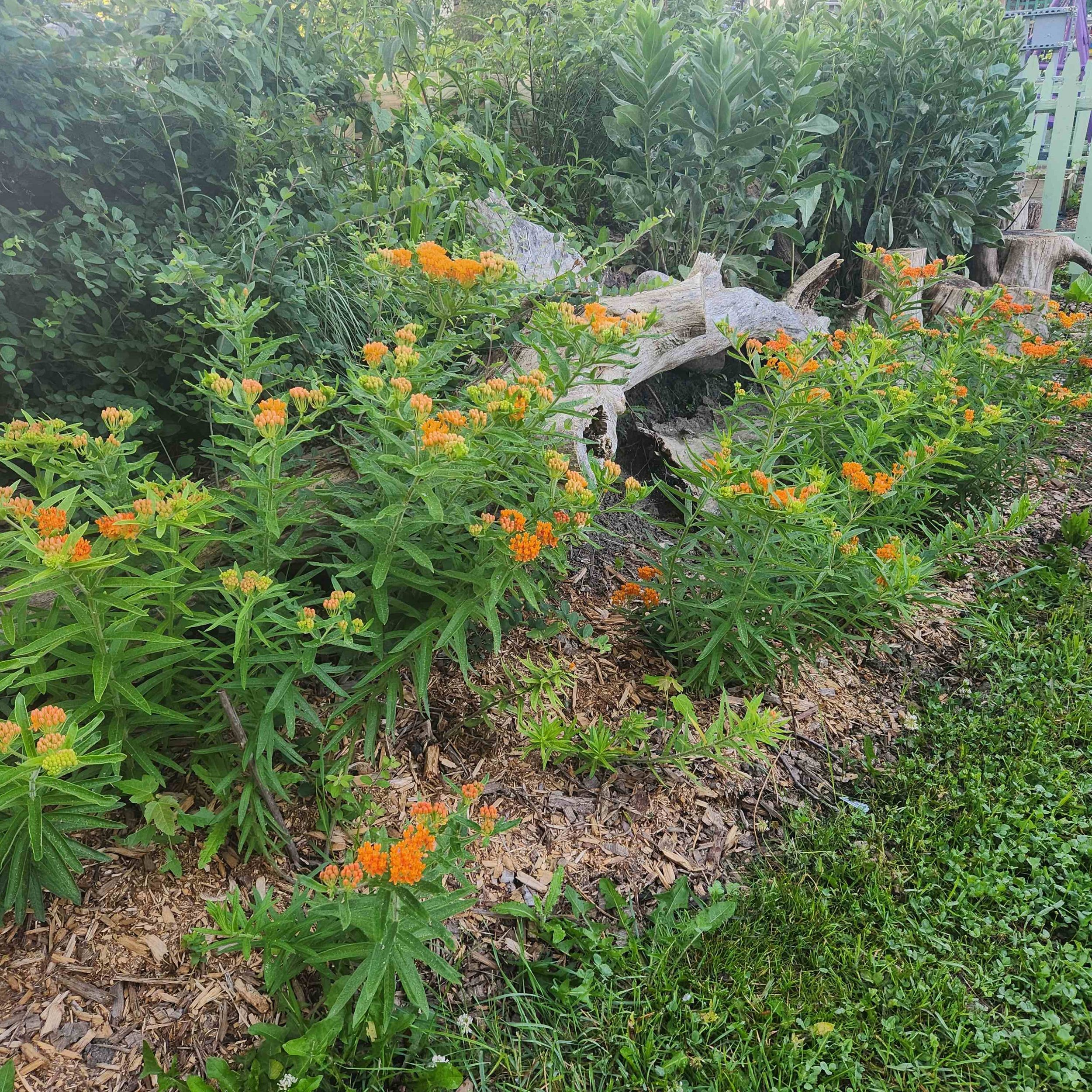
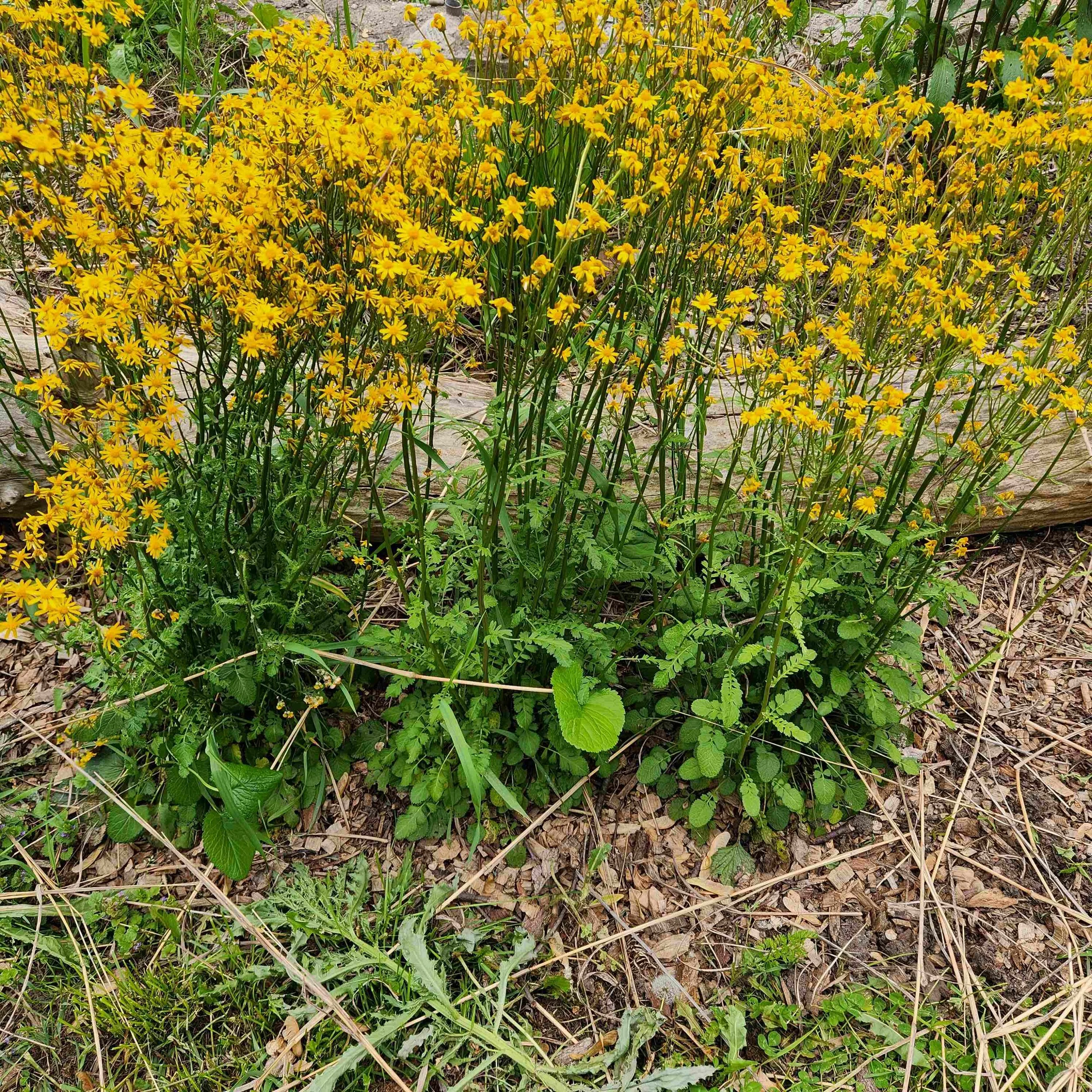
This plant was new to our nursery in 2025. Current photos are from Prairie Moon Nursery until we can take DA photos. Prairie Moon has a terrific web site and clear, consistent directions for seed starting. Check them out - https://www.prairiemoon.com/
Rudbeckia fulgida, Orange Coneflower
FS - PS, Zone 3, Blooms July - Sept., 3’ x 2’, medium-wet - medium-dry, deer resistant
Keystone Species - Is the larval-host plant for 20 moths & butterflies including the Silvery Checkerspot. It provides essential pollen for approximately 29 species of specialist bees. Specialist bees can only raise their young on the pollen of specific native plant families or genera. In the fall and winter, the dried seed heads of Rudbeckia fulgida provide a high-energy food source for songbirds like American Goldfinches and Chickadees.
Rudbeckias are a keystone plant. This means they are a native that supports more caterpillar and specialist bee species than other plants.
The plant grows from rizome network of roots. In spite of this, the plant is fairly well behaved and forms more of a nicely mounded dome. It can be controlled through division. Share the extras with others. Like many native, be sure to keep it watered until established. Once established, Orange coneflower can handle drought.
It supports many butterflies and moth species including the Silvery Checkerspot,Chlosyne nycteis and the Wavy-Lined Emerald (Synchlora aerata). This plant supports so many native bees including 25 species of specialist bees. All the caterpillars on Rudbeckia support birds as well as the seeds available late season.
This plant was new to our nursery in 2025. Current photos are from Prairie Moon Nursery until we can take DA photos. Prairie Moon has a terrific web site and clear, consistent directions for seed starting. Check them out - https://www.prairiemoon.com/