 Image 1 of 2
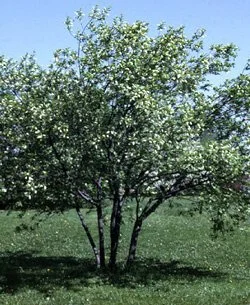 Image 2 of 2
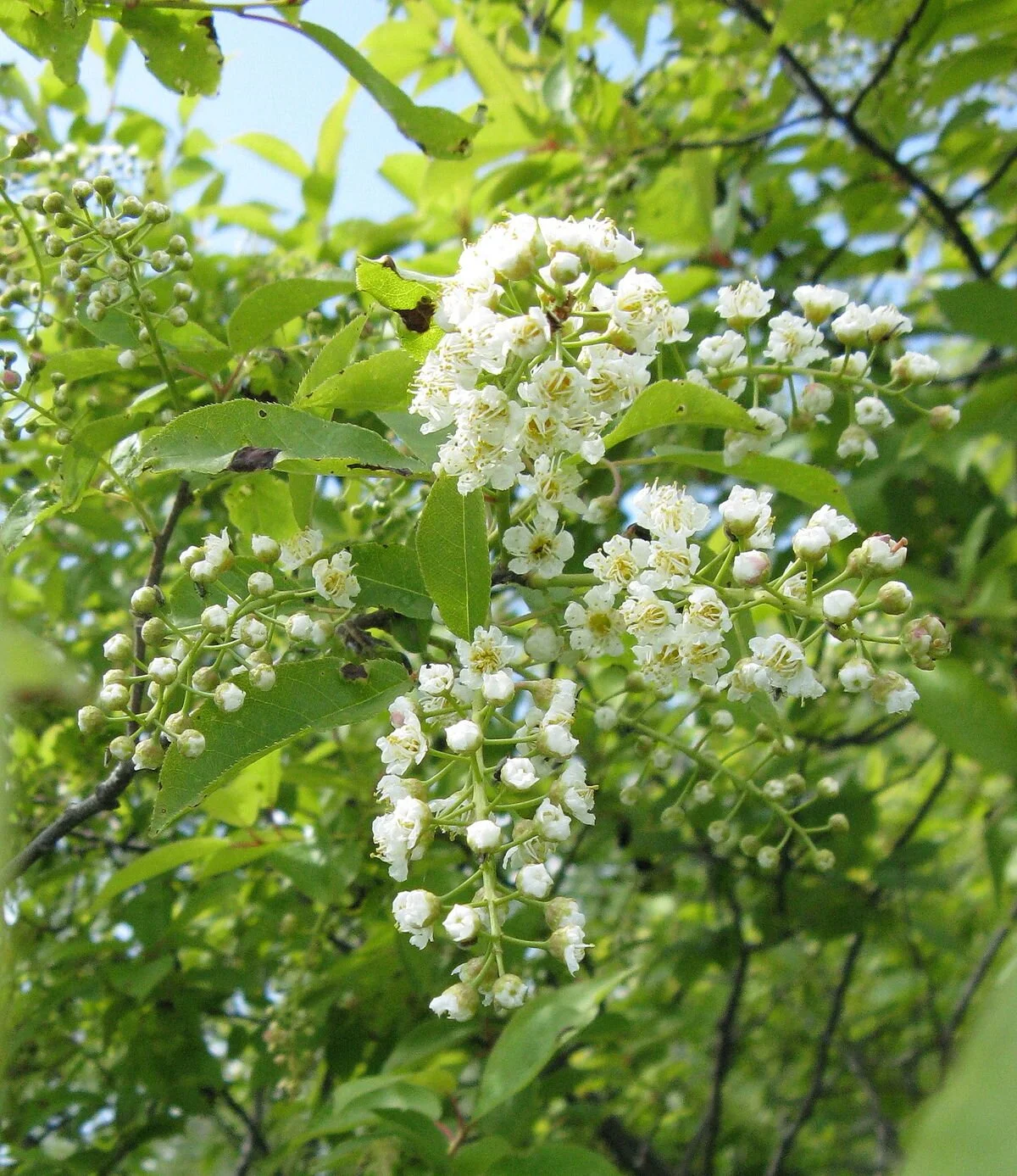
Prunus virginiana, Choke Cherry, Tree / Shrub
FS-PS, Zone 2, 20-30’ x 15-20’, blooms April-May, dry to medium, average well drained soil.
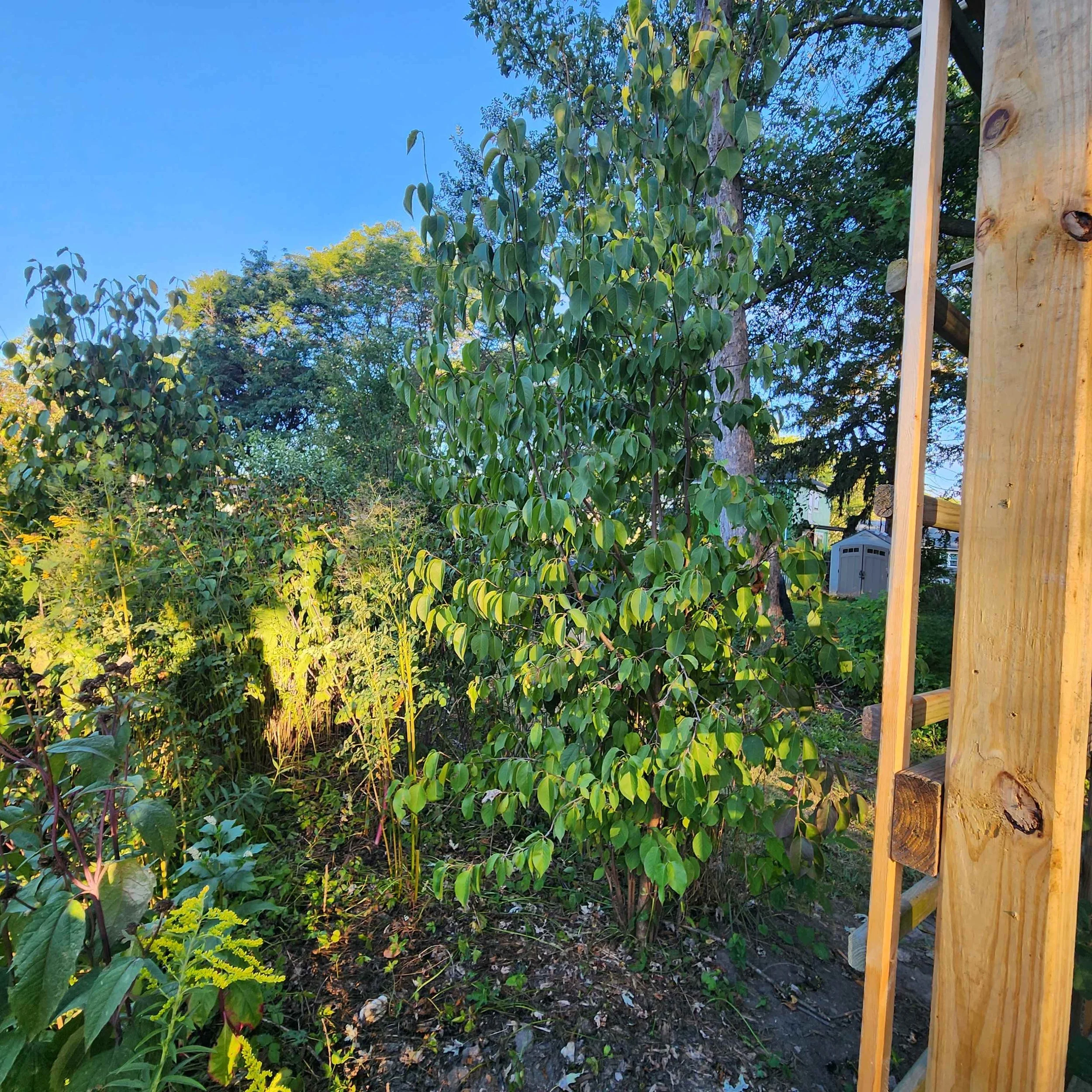
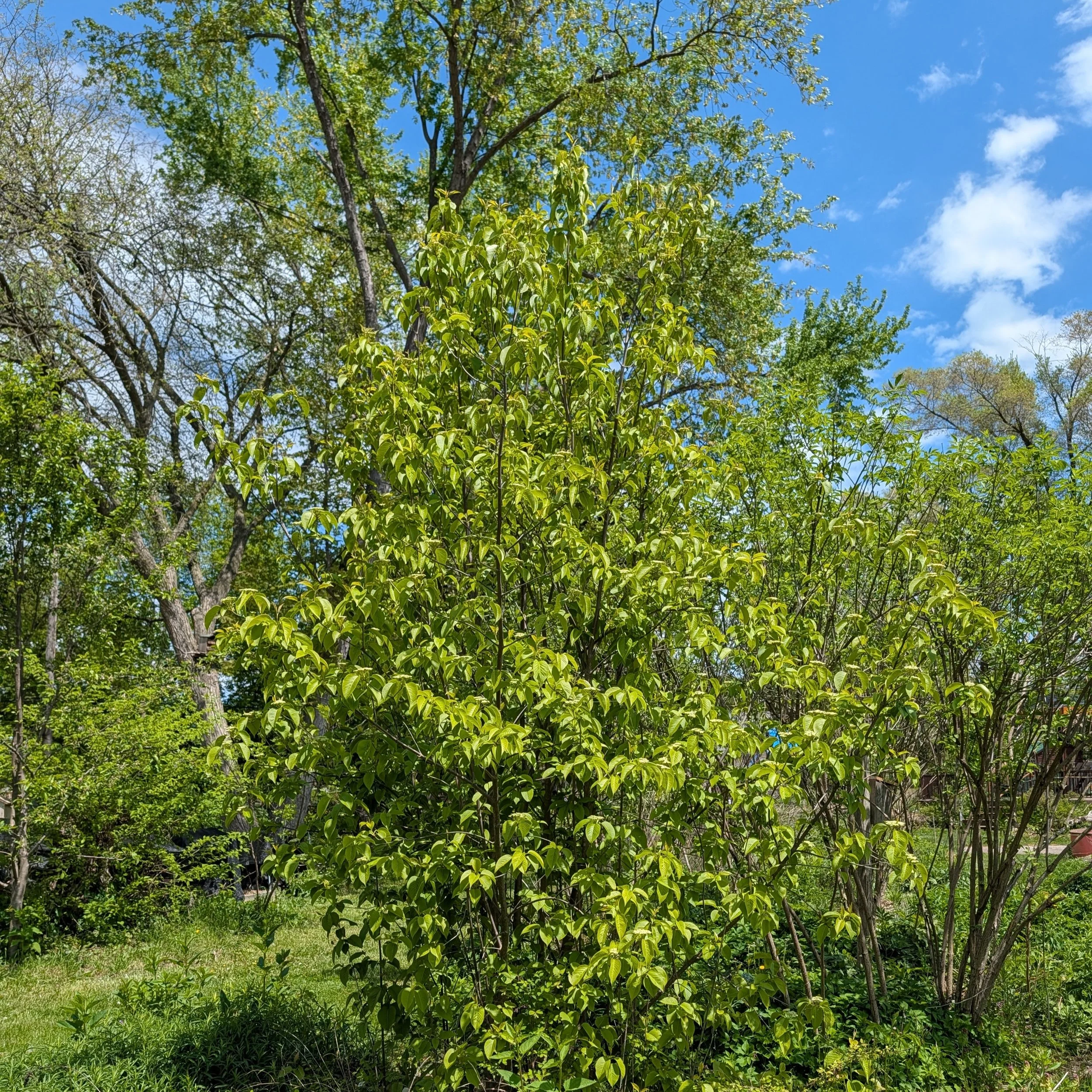
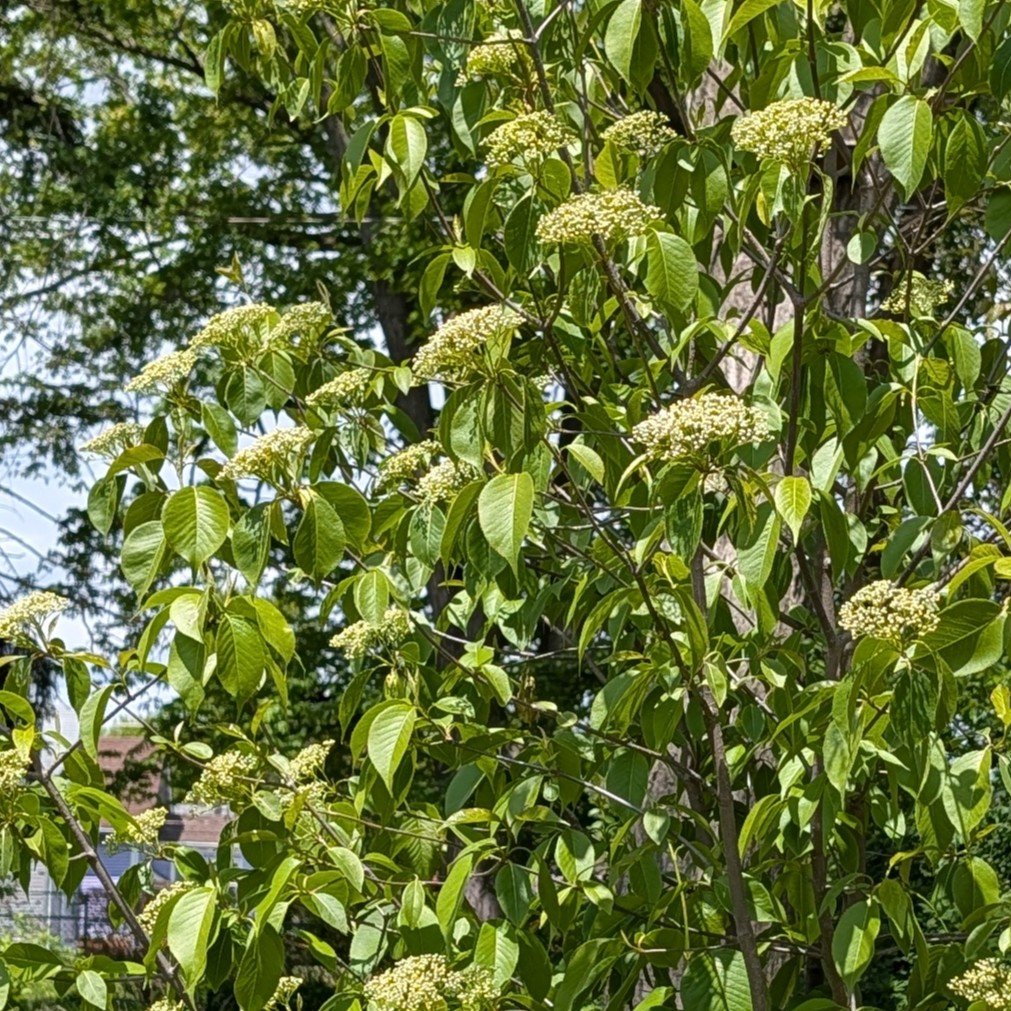
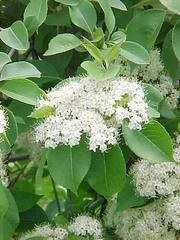
The Prunus genus includes dozens of native spring-blooming trees and shrubs that are valuable food sources for insects and birds. In the U.S. alone, cherry trees are the host plant for the larvae of over 250 species of butterflies and moths. The caterpillars, in turn, are a crucial food for many bird species that need abundant protein to feed their fledglings. The Chokecherry is a small deciduous tree or a large shrub. with fragrant white flowers early in the season that form clusters which stay in bloom for several weeks. The flowers give way to berries that ripen by August and towards the fall the foliage turns a lovely golden yellow to orange. Nearly all cherry trees are also high-value pollinator plants, supporting early-season bee species. Choke Cherry trees, hard to find in nurseries, are an attractive and essential part of any kind of wildlife garden.
Attracts a wide range of bees, including Mining Bees, Mason Bees, wasps, flies, and butterflies. It is the host plant for the caterpillars of many butterfly, including Eastern Tiger Swallowtail, Coral Hairstreak and some spectacular moths, including the Cecropia, Elegant Sphinx, Imperial and Promethean. It’s berries are a popular food source for migrating and winter birds.
Prunus virginiana, Choke Cherry, Tree / Shrub
FS-PS, Zone 2, 20-30’ x 15-20’, blooms April-May, dry to medium, average well drained soil.
The Prunus genus includes dozens of native spring-blooming trees and shrubs that are valuable food sources for insects and birds. In the U.S. alone, cherry trees are the host plant for the larvae of over 250 species of butterflies and moths. The caterpillars, in turn, are a crucial food for many bird species that need abundant protein to feed their fledglings. The Chokecherry is a small deciduous tree or a large shrub. with fragrant white flowers early in the season that form clusters which stay in bloom for several weeks. The flowers give way to berries that ripen by August and towards the fall the foliage turns a lovely golden yellow to orange. Nearly all cherry trees are also high-value pollinator plants, supporting early-season bee species. Choke Cherry trees, hard to find in nurseries, are an attractive and essential part of any kind of wildlife garden.
Attracts a wide range of bees, including Mining Bees, Mason Bees, wasps, flies, and butterflies. It is the host plant for the caterpillars of many butterfly, including Eastern Tiger Swallowtail, Coral Hairstreak and some spectacular moths, including the Cecropia, Elegant Sphinx, Imperial and Promethean. It’s berries are a popular food source for migrating and winter birds.