 Image 1 of 3
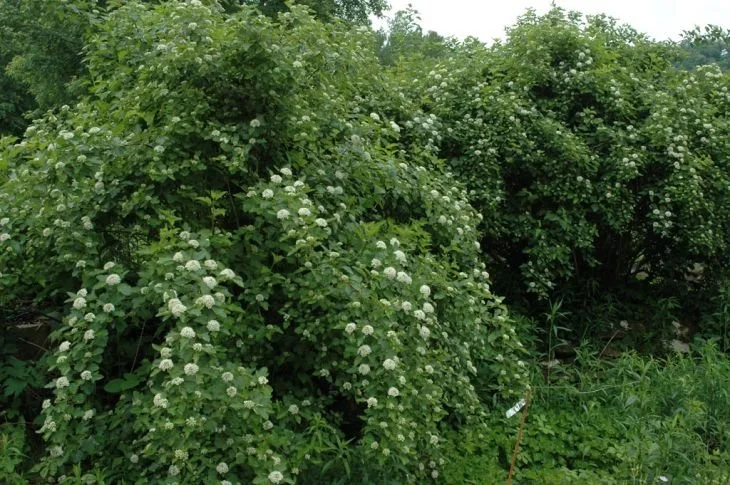 Image 2 of 3
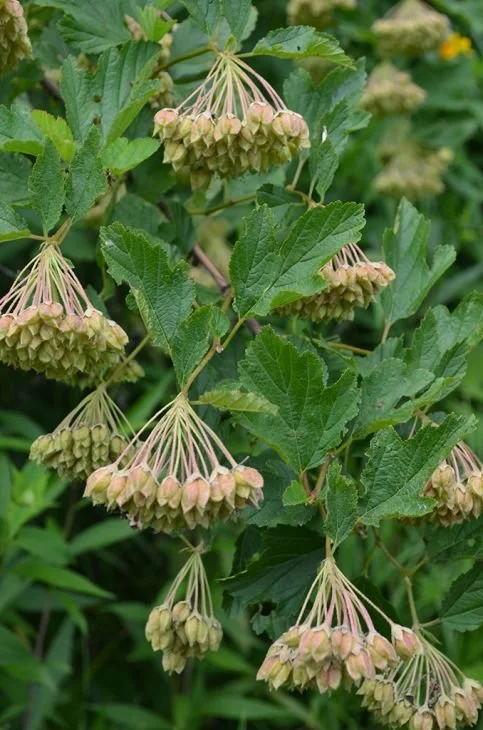 Image 3 of 3
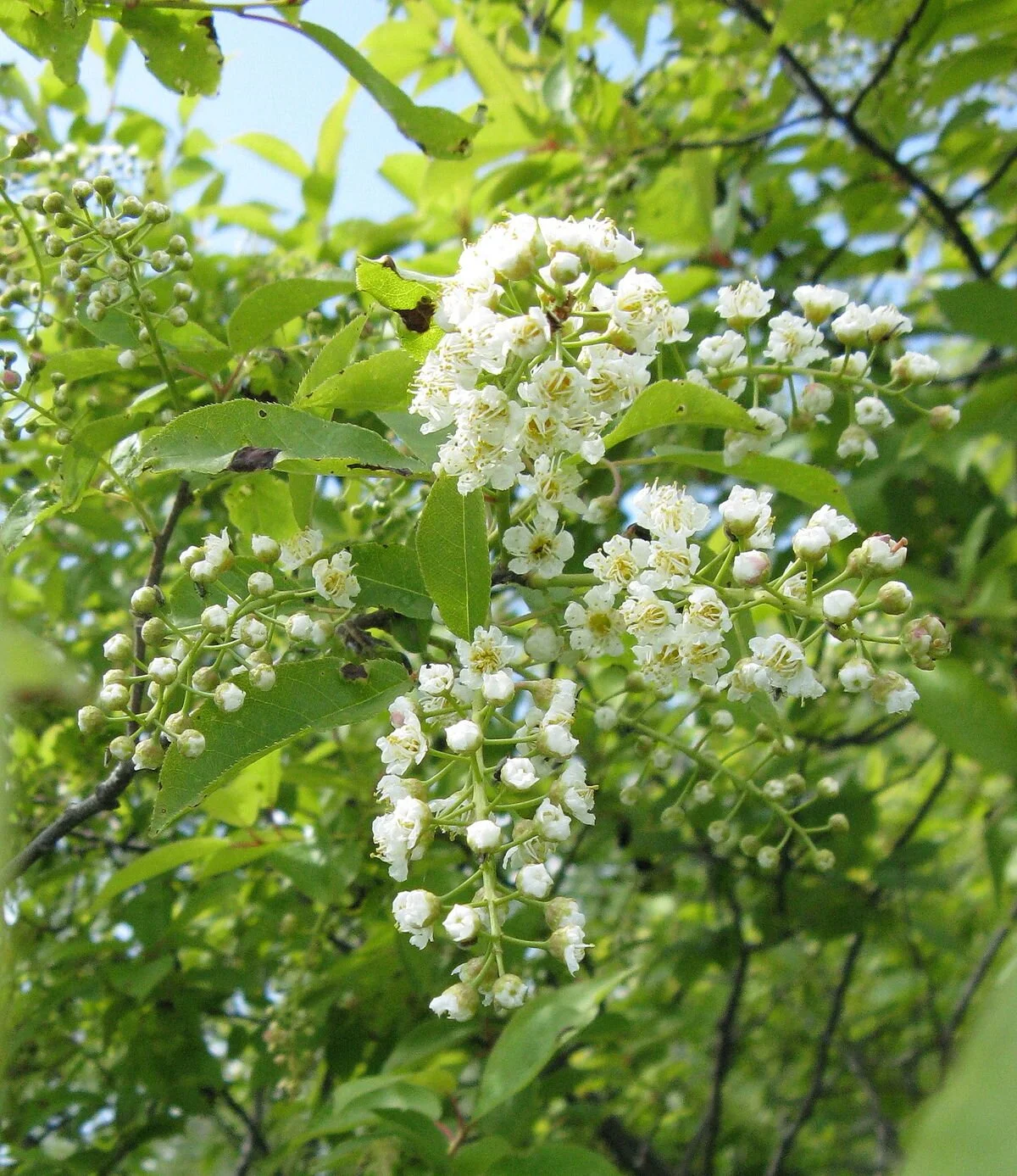
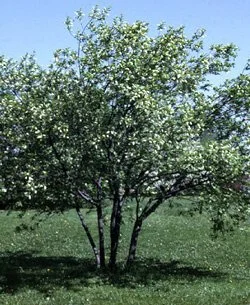
Physocarpus opulifolius, Ninebark Shrub starts
FS-PS, Zone 4, blooms July, 8’ x 4-8’, medium wet to medium dry
These starts will be about a foot tall.
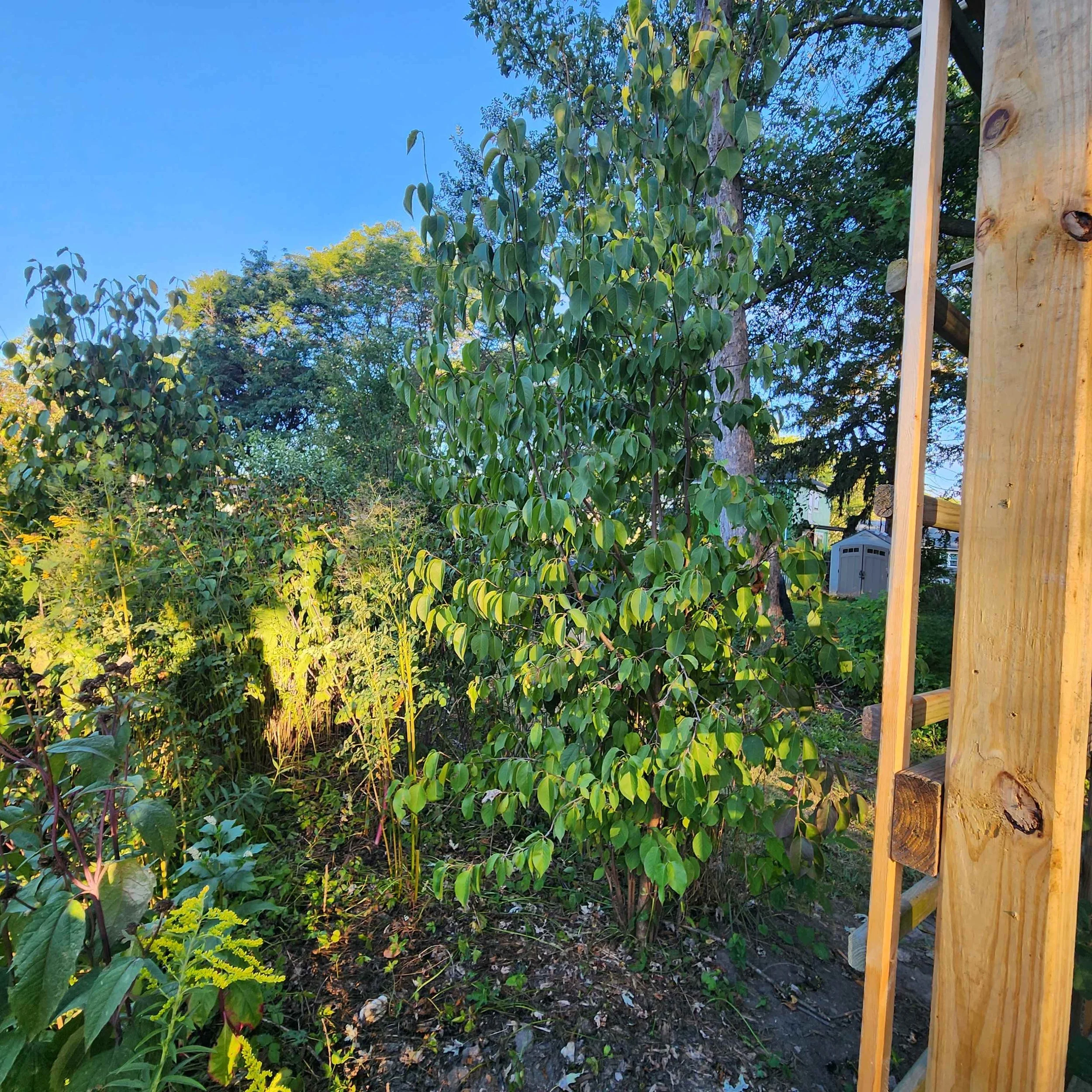
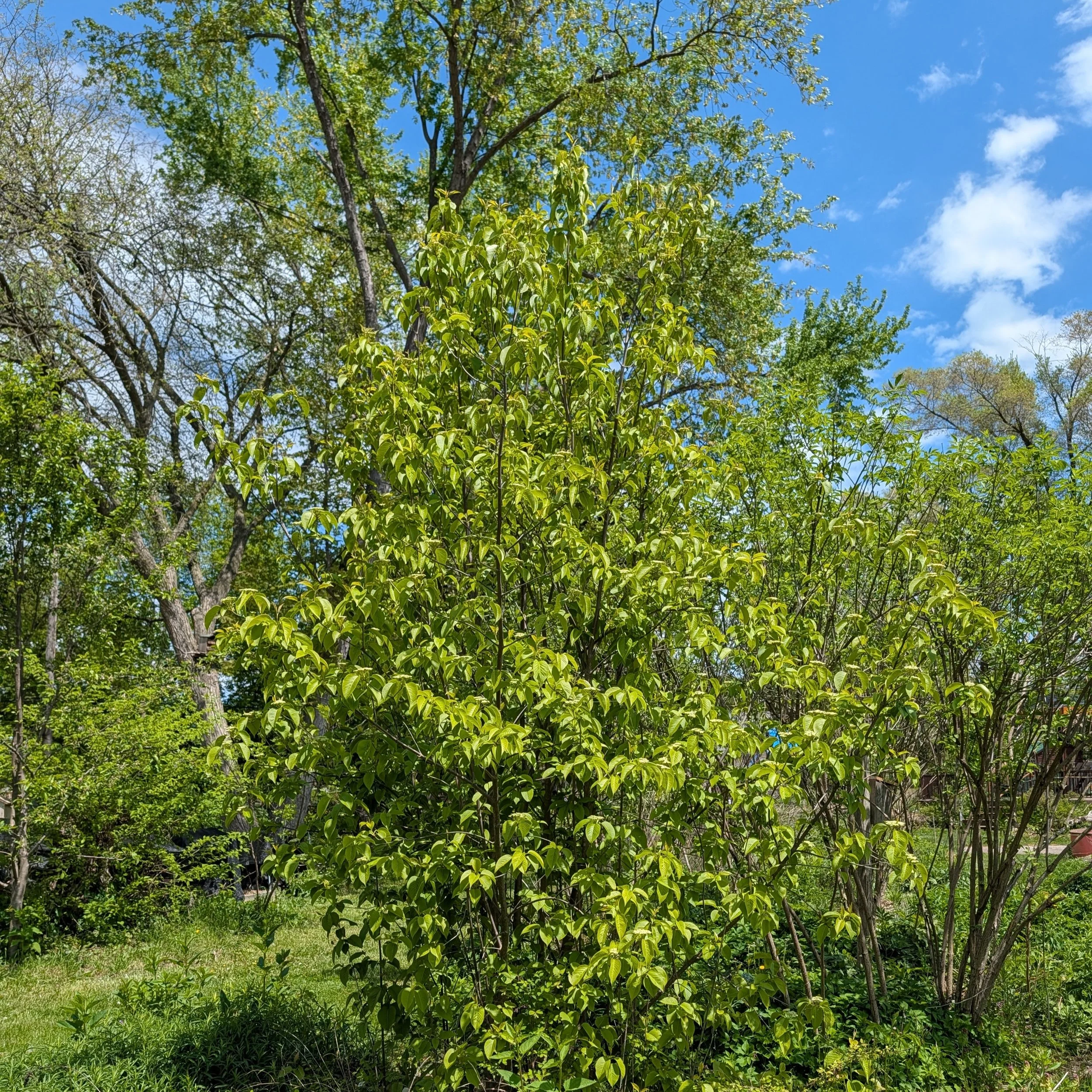
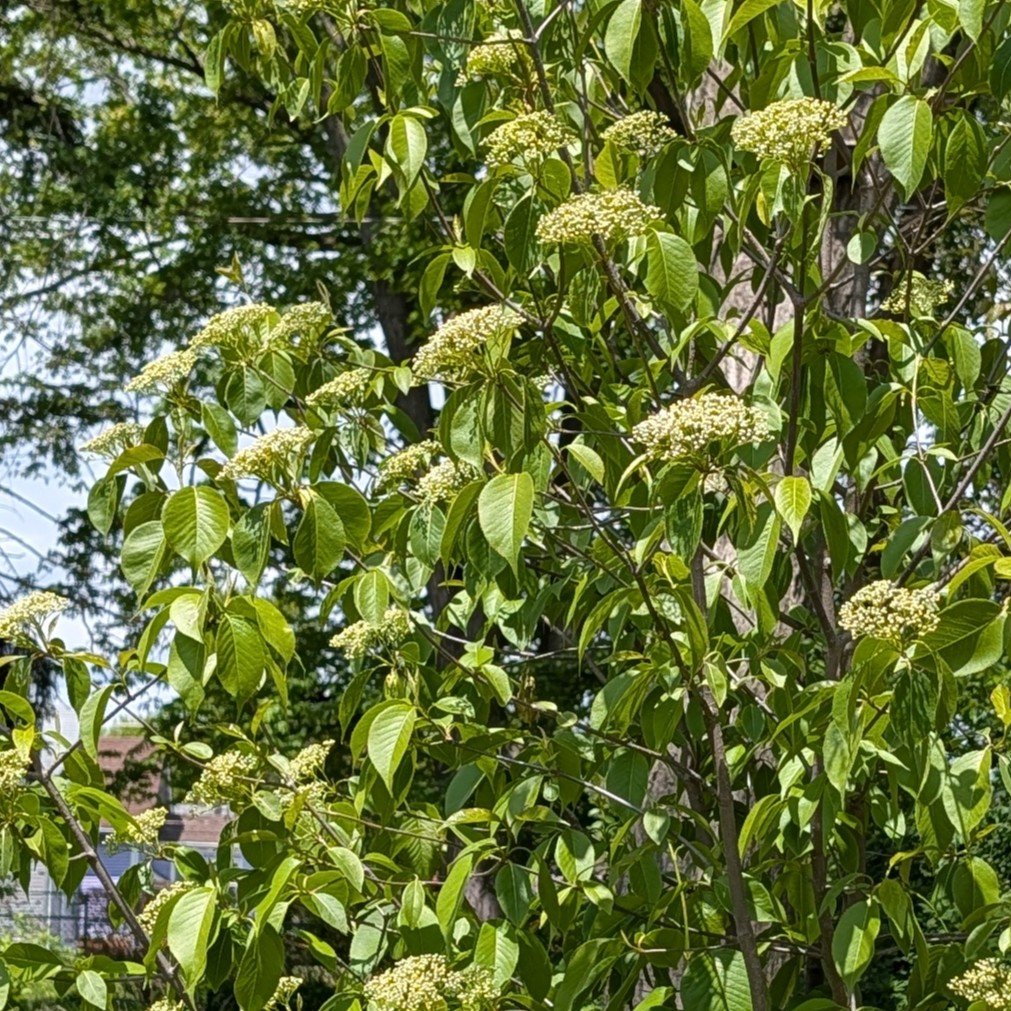
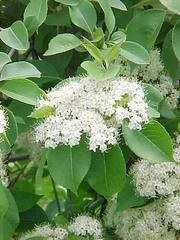
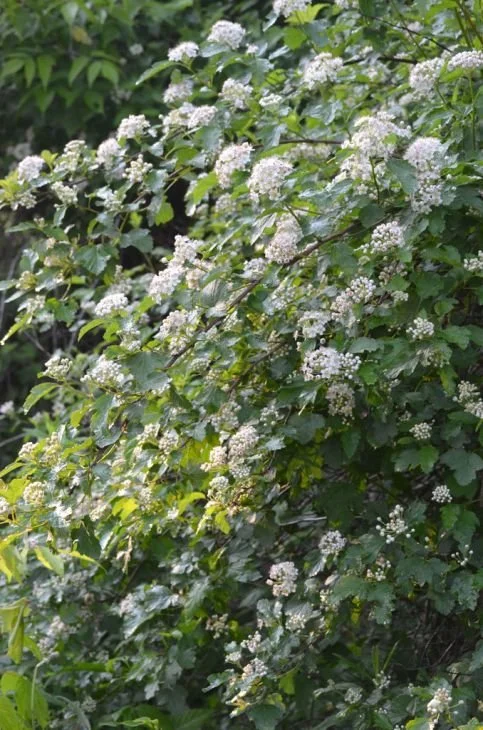
Ninebark offers exceptional ecological value to wildlife. This is a very tough and adaptable native. It does well in wet or dry conditions and will grow in rocky and clay. The Physocarpus genus serves as a host plant for up to 36 species of moths and butterflies in the eastern United States, including the Ninebark Pygmy Moth, White Spring Moth, and the Unicorn Caterpillar.
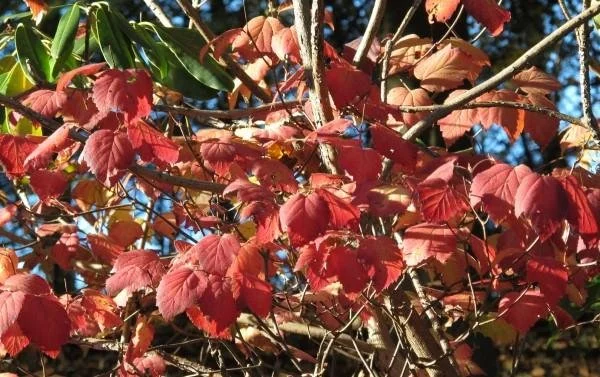
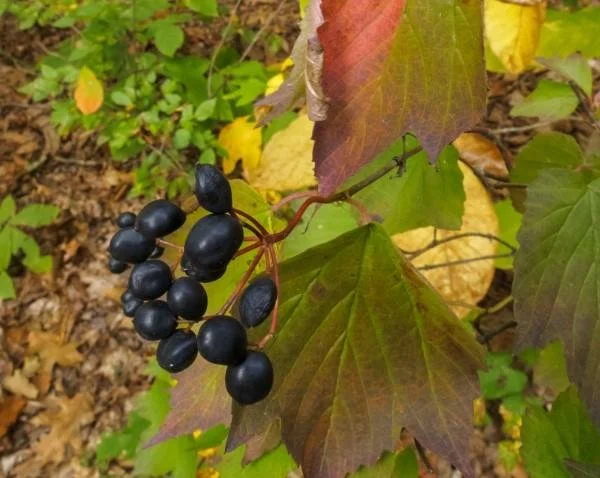
The late-summer reddish fruit capsules produce persistent seeds that provide a vital food source for birds, while the shrub's dense, arching branching structure offers excellent nesting cover and shelter. Provides interest in all seasons. It can be cut way back in the spring to renew gowth.
This is a fast growing, dense arching shrub, great as a thicket. The late-summer reddish fruit capsules produce persistent seeds that provide a vital food source for birds, while the shrub's dense, arching branching structure offers excellent nesting cover and shelter.
Supports native bees.
Physocarpus opulifolius, Ninebark Shrub starts
FS-PS, Zone 4, blooms July, 8’ x 4-8’, medium wet to medium dry
These starts will be about a foot tall.
Ninebark offers exceptional ecological value to wildlife. This is a very tough and adaptable native. It does well in wet or dry conditions and will grow in rocky and clay. The Physocarpus genus serves as a host plant for up to 36 species of moths and butterflies in the eastern United States, including the Ninebark Pygmy Moth, White Spring Moth, and the Unicorn Caterpillar.
The late-summer reddish fruit capsules produce persistent seeds that provide a vital food source for birds, while the shrub's dense, arching branching structure offers excellent nesting cover and shelter. Provides interest in all seasons. It can be cut way back in the spring to renew gowth.
This is a fast growing, dense arching shrub, great as a thicket. The late-summer reddish fruit capsules produce persistent seeds that provide a vital food source for birds, while the shrub's dense, arching branching structure offers excellent nesting cover and shelter.
Supports native bees.