 Image 1 of 2
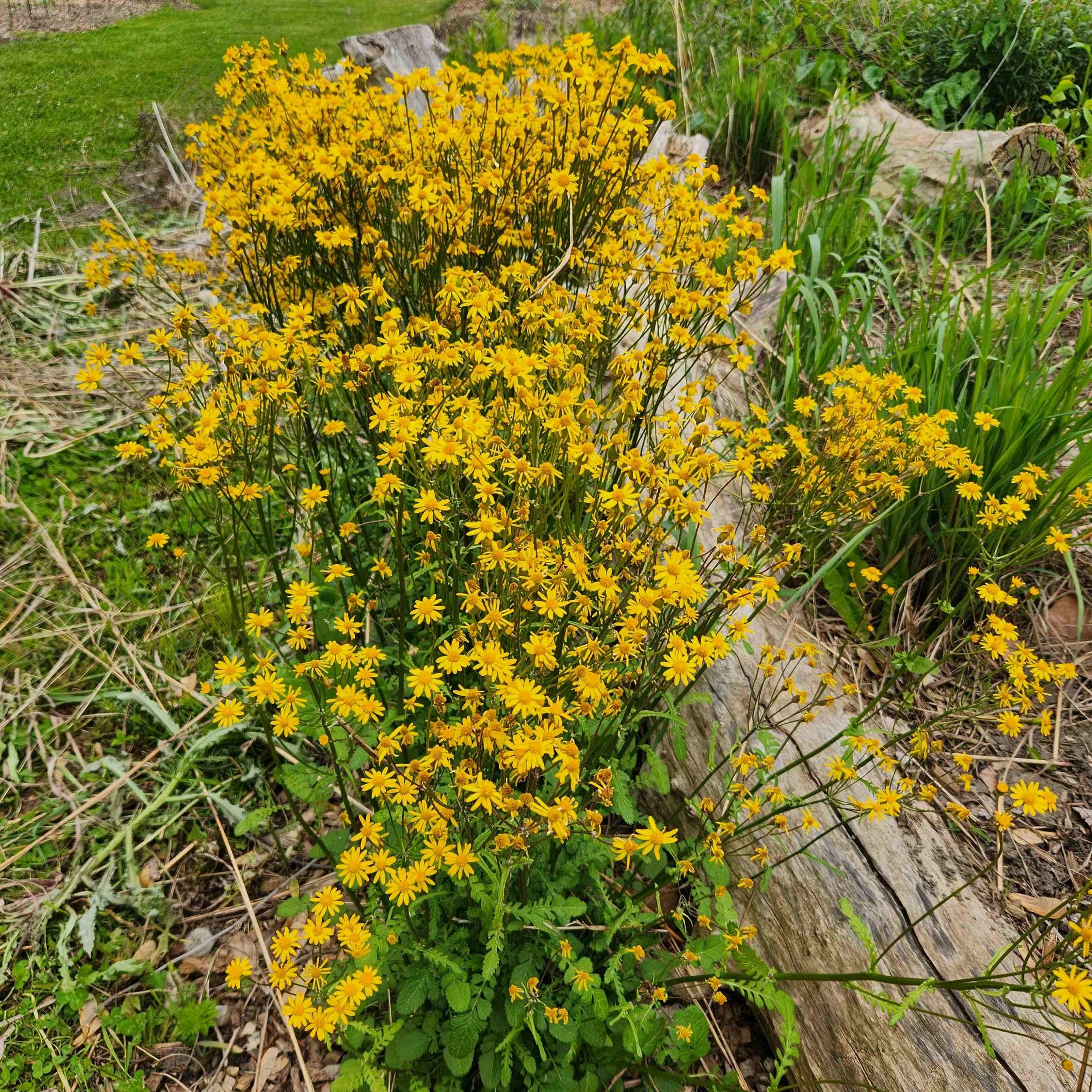 Image 2 of 2
Packera aurea, Golden Ragwort
FS-FS, Zone 3, blooms May to June, 2’ x 1-2, wet to medium, deer resistant
Unfortunately. WildType was unable to germinate this species, we will try to get it in 2027.
Keystone Species - It is the larval-host plant for 3 moth species and is the host plant for 8 specialist bees. This includes early -emerging pollinators - Miner, Mason, Long-horned and Leaf-cutter bees who require the pollen from Golden Ragwort for continued existance. This early nectar and pollen arrive when few other resouces are available. This also supports sweat bees and hocerflies that have recently emerged. Its ability to form dense, evergreen mats helps suppress invasive weeds and prevent soil erosion in delicate habitats like wetlands and stream banks.
Golden Ragworts natural habitat are woodlands and moist shady savannas. It is a native that has broad planting conditions from full sun to full shade and medium moisture to wet. It grows and spreads from rhizomes. These fibrous roots in the right conditions can be semi-aggressive. But this also means it can be a good ground cover.
The foliage is toxic to most mammalian herbivores (like deer and rabbits), which allows it to thrive and provide consistent shelter for beneficial insects, such as fireflies, without being over-grazed.
Besides the specialist bees it supports it also attracts small bees like carpenter, cuckoo, and hallctid.
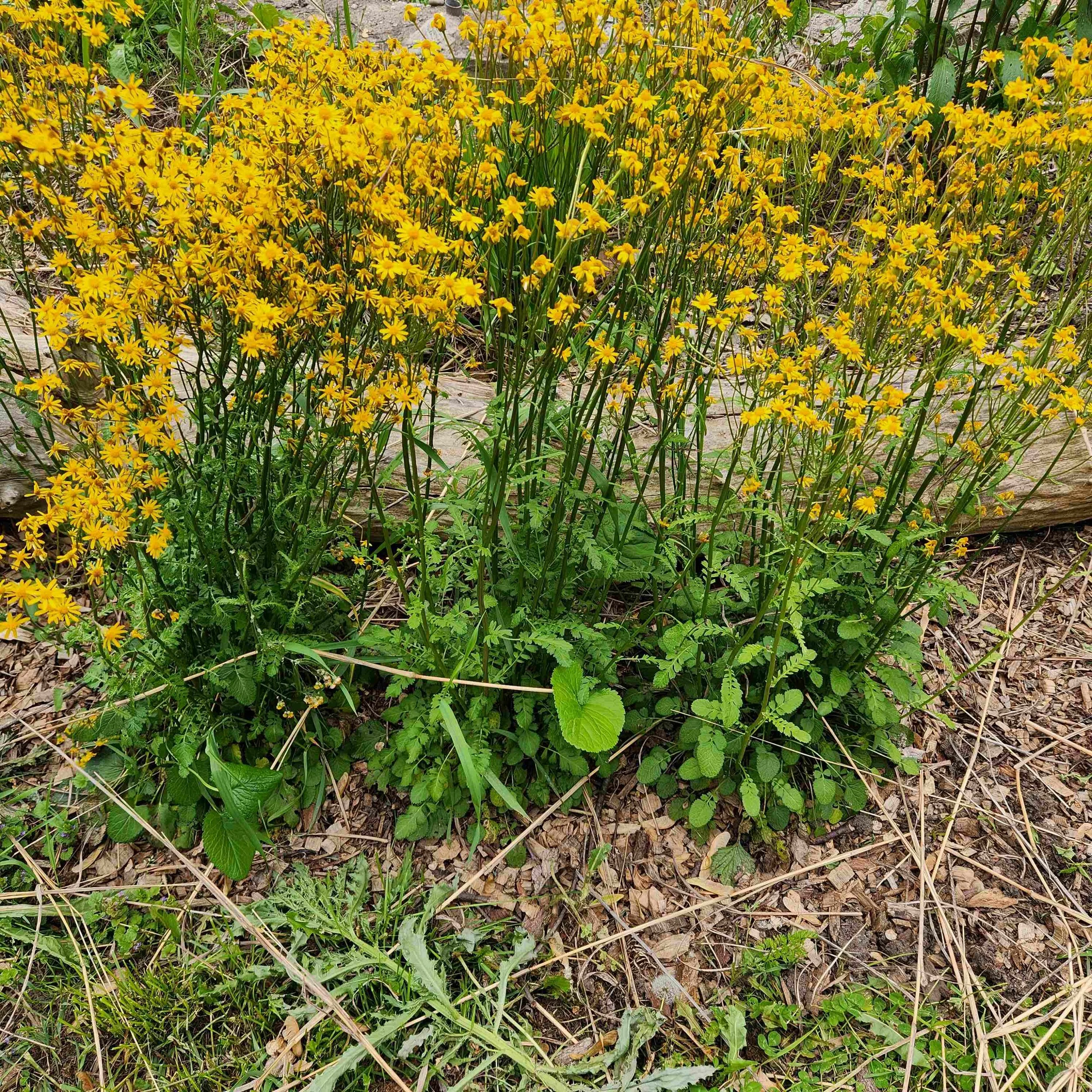
DA Planting Notes - Someone gifted us Golden Ragwort seedlings in 2024. We planted them in the fall and were happy to see the blooms in early 2025. We do not have a “moist” site at DA and planted these in full sun average soil. See photos. Due to its importance as an early specialist bee host plant we wanted to add this to our offerings. In 2025 it bloomed a week before Wild Columbine and Golden Alexander and after the Pussy Willows were done. Pollinators are searching for nectar and pollen at that early time.
Packera aurea, Golden Ragwort
FS-FS, Zone 3, blooms May to June, 2’ x 1-2, wet to medium, deer resistant
Unfortunately. WildType was unable to germinate this species, we will try to get it in 2027.
Keystone Species - It is the larval-host plant for 3 moth species and is the host plant for 8 specialist bees. This includes early -emerging pollinators - Miner, Mason, Long-horned and Leaf-cutter bees who require the pollen from Golden Ragwort for continued existance. This early nectar and pollen arrive when few other resouces are available. This also supports sweat bees and hocerflies that have recently emerged. Its ability to form dense, evergreen mats helps suppress invasive weeds and prevent soil erosion in delicate habitats like wetlands and stream banks.
Golden Ragworts natural habitat are woodlands and moist shady savannas. It is a native that has broad planting conditions from full sun to full shade and medium moisture to wet. It grows and spreads from rhizomes. These fibrous roots in the right conditions can be semi-aggressive. But this also means it can be a good ground cover.
The foliage is toxic to most mammalian herbivores (like deer and rabbits), which allows it to thrive and provide consistent shelter for beneficial insects, such as fireflies, without being over-grazed.
Besides the specialist bees it supports it also attracts small bees like carpenter, cuckoo, and hallctid.
DA Planting Notes - Someone gifted us Golden Ragwort seedlings in 2024. We planted them in the fall and were happy to see the blooms in early 2025. We do not have a “moist” site at DA and planted these in full sun average soil. See photos. Due to its importance as an early specialist bee host plant we wanted to add this to our offerings. In 2025 it bloomed a week before Wild Columbine and Golden Alexander and after the Pussy Willows were done. Pollinators are searching for nectar and pollen at that early time.