Image 1 of 2
 Image 2 of 2
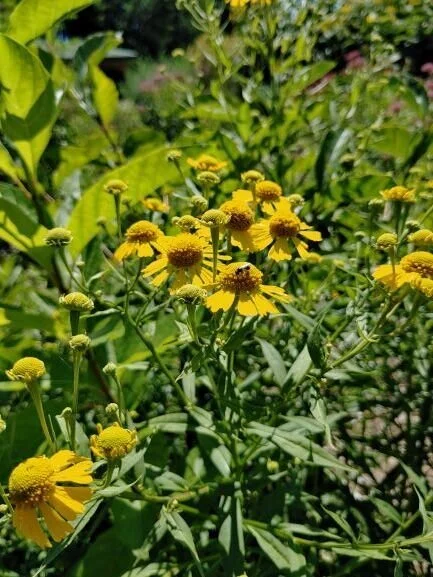
Monarda fistulosa, Wild Bergamot
FS-PS, Zone 3, blooms June-August, 4’ x 2-3’ deer resistant, medium wet to dry, sand to some clay.
Keystone species - This plant is a keystone species because it is a vital host for specialist pollinators, such as the black sweat bee (Dufourea monardae), plus 2 other Miner bees which feeds exclusively on the Monarda genus. It supports 13 species of moth caterpillars, such as the Hermit Sphinx and Gray Marvel moths, which are essential high-protein food sources for nesting birds. It attracts an exceptionally wide range of wildlife, including bumblebees, butterflies, skippers, hummingbird moths, and hummingbirds. The plant attracts predatory insects like thread-waisted wasps and sand wasps, which help control pest populations (such as stinkbugs) Its seed heads provide late season and winter food for small birds like goldfinches and sparrows, while its hollow stems can serve as nesting sites for cavity-nesting insects.
Like most Bee Balms and plants of the mint family, Monarda fistulosa is a sturdy perennial wildflower that expands to form upright clumps. This bee balm bears deep green aromatic leaves on strong square stems. In the summer, plants are topped by showy rounded clusters of fragrant lavender tubular flowers. Pollinators flock to the blooms in sunny prairie-like settings or in gardens with average well-drained soils. Wild Bergamot also has scented foliage and beautiful, uniquely shaped blooms.
Grown in most conditions, it provides quite a spectacular show. The plant can be susceptible to powdery mildew, so plant where there’s plenty of air circulation and enough sun. This plant is considered a forage plant, as the nectar is available continuously throughout the day as it keeps opening new flowers to keep the supply going.
Attracts native bees, honey bees, hummingbirds, butterflies and native wasps. Numerous bumble bees visit and Leaf-cutter and Sweat bees access the nectar at the base of the floret where they chew a hole. This plant supports many different bees. Larger bees, like bumble bees, tend to avoid the pollen and go for the sweet nectar, while small sweat and resin bees forage only for its pollen.
DA Planting Notes - We have noticed when planted in PS, the plant will get powdery mildew. We suggest FS and to keep the plant watered and strong.
Monarda fistulosa, Wild Bergamot
FS-PS, Zone 3, blooms June-August, 4’ x 2-3’ deer resistant, medium wet to dry, sand to some clay.
Keystone species - This plant is a keystone species because it is a vital host for specialist pollinators, such as the black sweat bee (Dufourea monardae), plus 2 other Miner bees which feeds exclusively on the Monarda genus. It supports 13 species of moth caterpillars, such as the Hermit Sphinx and Gray Marvel moths, which are essential high-protein food sources for nesting birds. It attracts an exceptionally wide range of wildlife, including bumblebees, butterflies, skippers, hummingbird moths, and hummingbirds. The plant attracts predatory insects like thread-waisted wasps and sand wasps, which help control pest populations (such as stinkbugs) Its seed heads provide late season and winter food for small birds like goldfinches and sparrows, while its hollow stems can serve as nesting sites for cavity-nesting insects.
Like most Bee Balms and plants of the mint family, Monarda fistulosa is a sturdy perennial wildflower that expands to form upright clumps. This bee balm bears deep green aromatic leaves on strong square stems. In the summer, plants are topped by showy rounded clusters of fragrant lavender tubular flowers. Pollinators flock to the blooms in sunny prairie-like settings or in gardens with average well-drained soils. Wild Bergamot also has scented foliage and beautiful, uniquely shaped blooms.
Grown in most conditions, it provides quite a spectacular show. The plant can be susceptible to powdery mildew, so plant where there’s plenty of air circulation and enough sun. This plant is considered a forage plant, as the nectar is available continuously throughout the day as it keeps opening new flowers to keep the supply going.
Attracts native bees, honey bees, hummingbirds, butterflies and native wasps. Numerous bumble bees visit and Leaf-cutter and Sweat bees access the nectar at the base of the floret where they chew a hole. This plant supports many different bees. Larger bees, like bumble bees, tend to avoid the pollen and go for the sweet nectar, while small sweat and resin bees forage only for its pollen.
DA Planting Notes - We have noticed when planted in PS, the plant will get powdery mildew. We suggest FS and to keep the plant watered and strong.