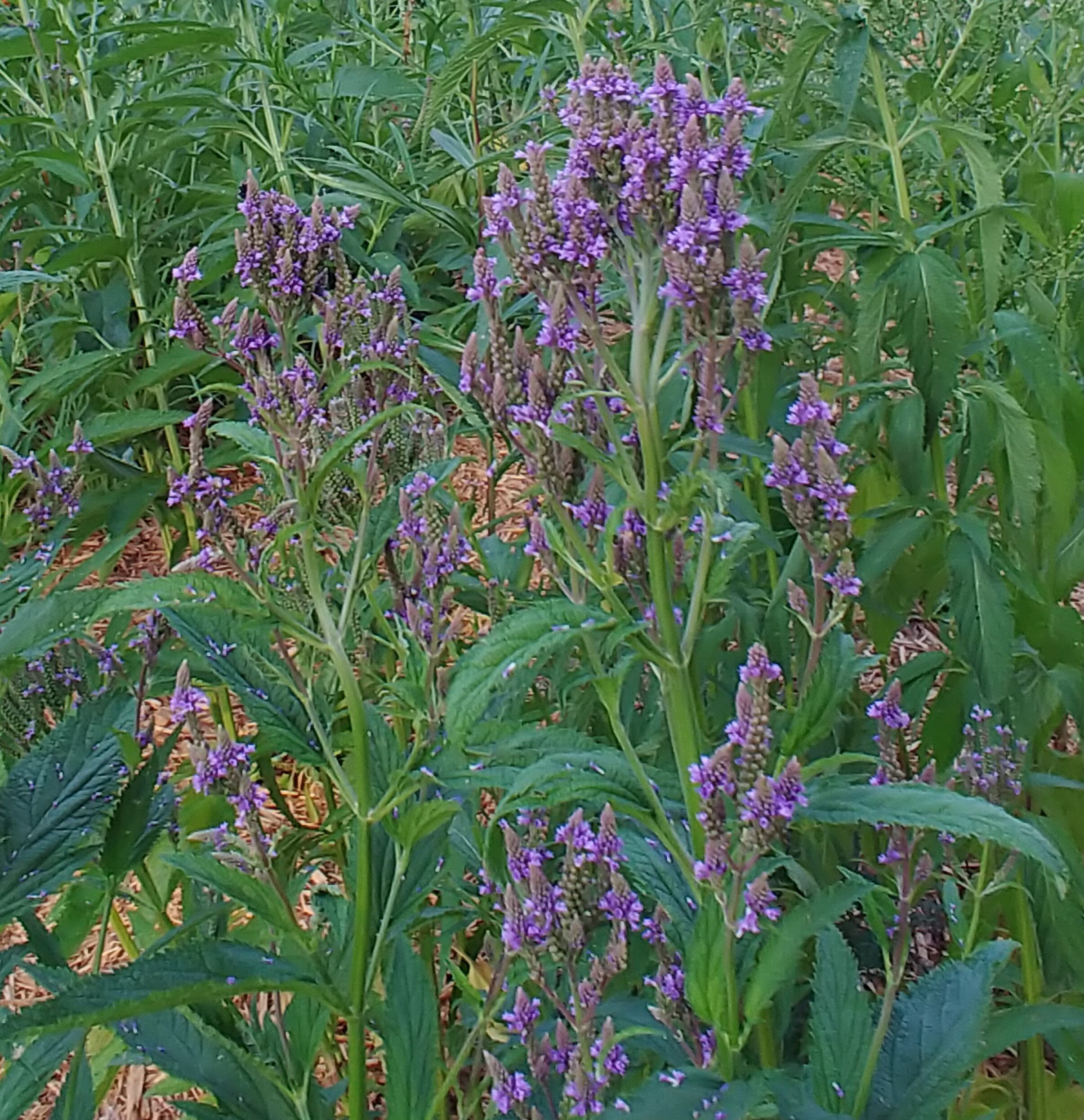
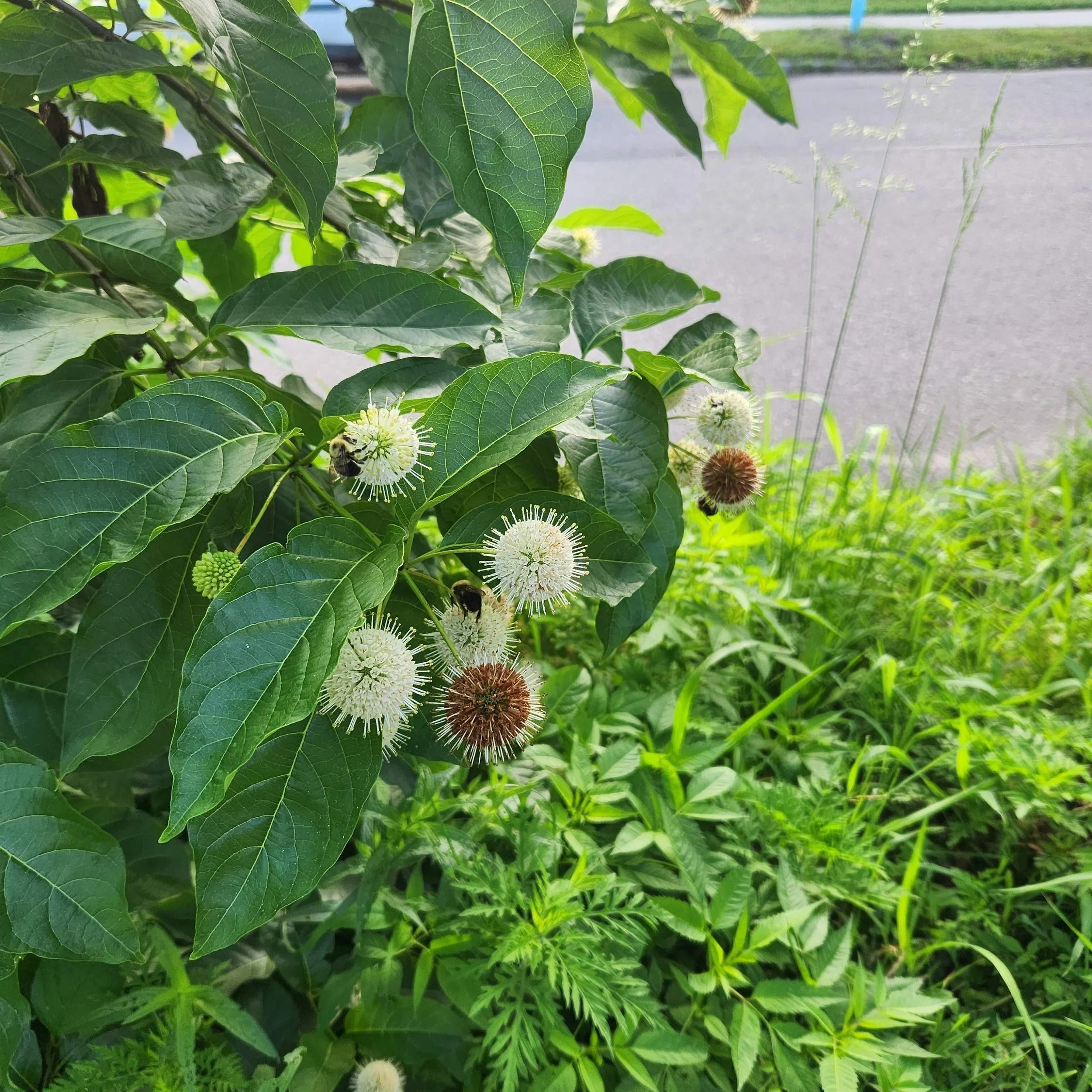
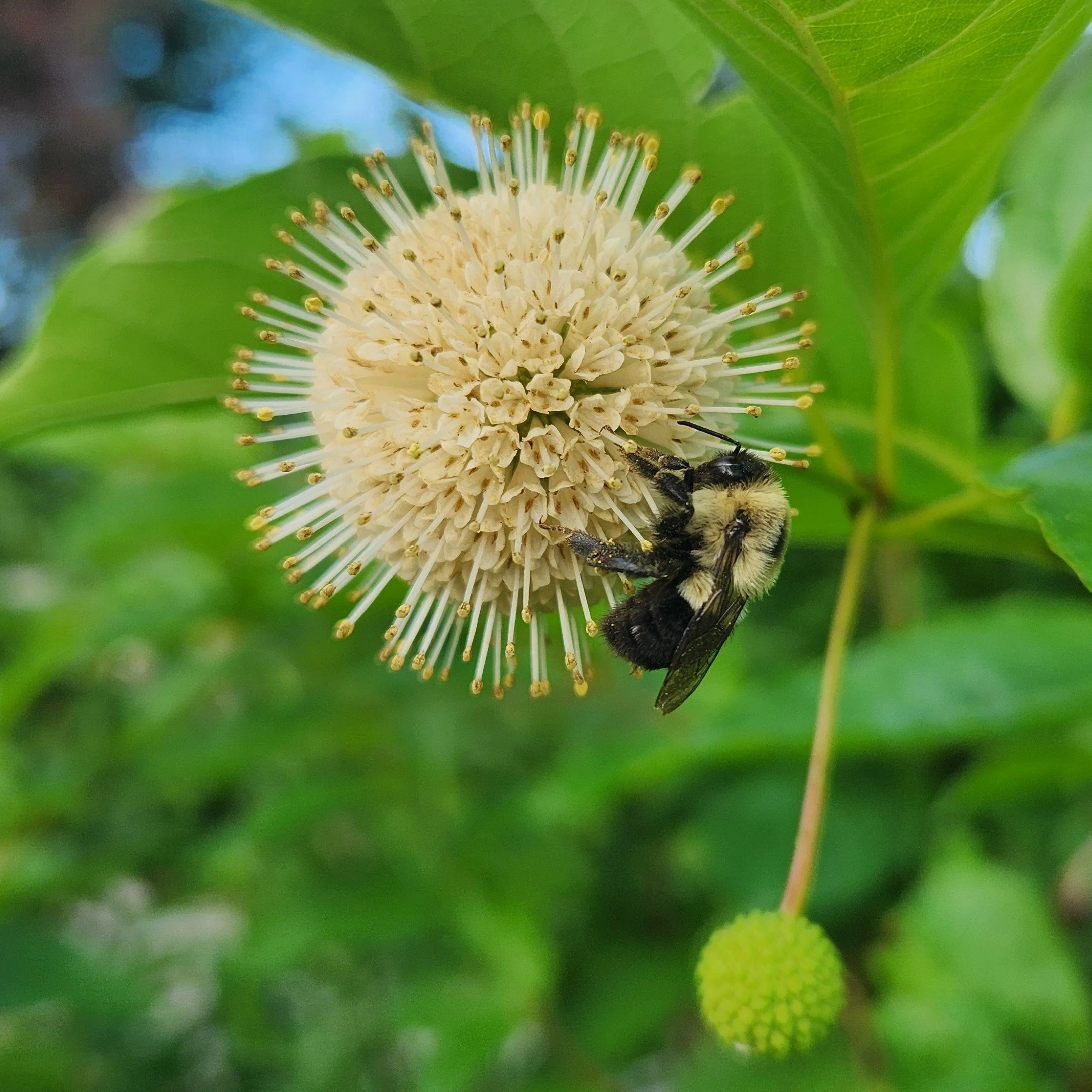
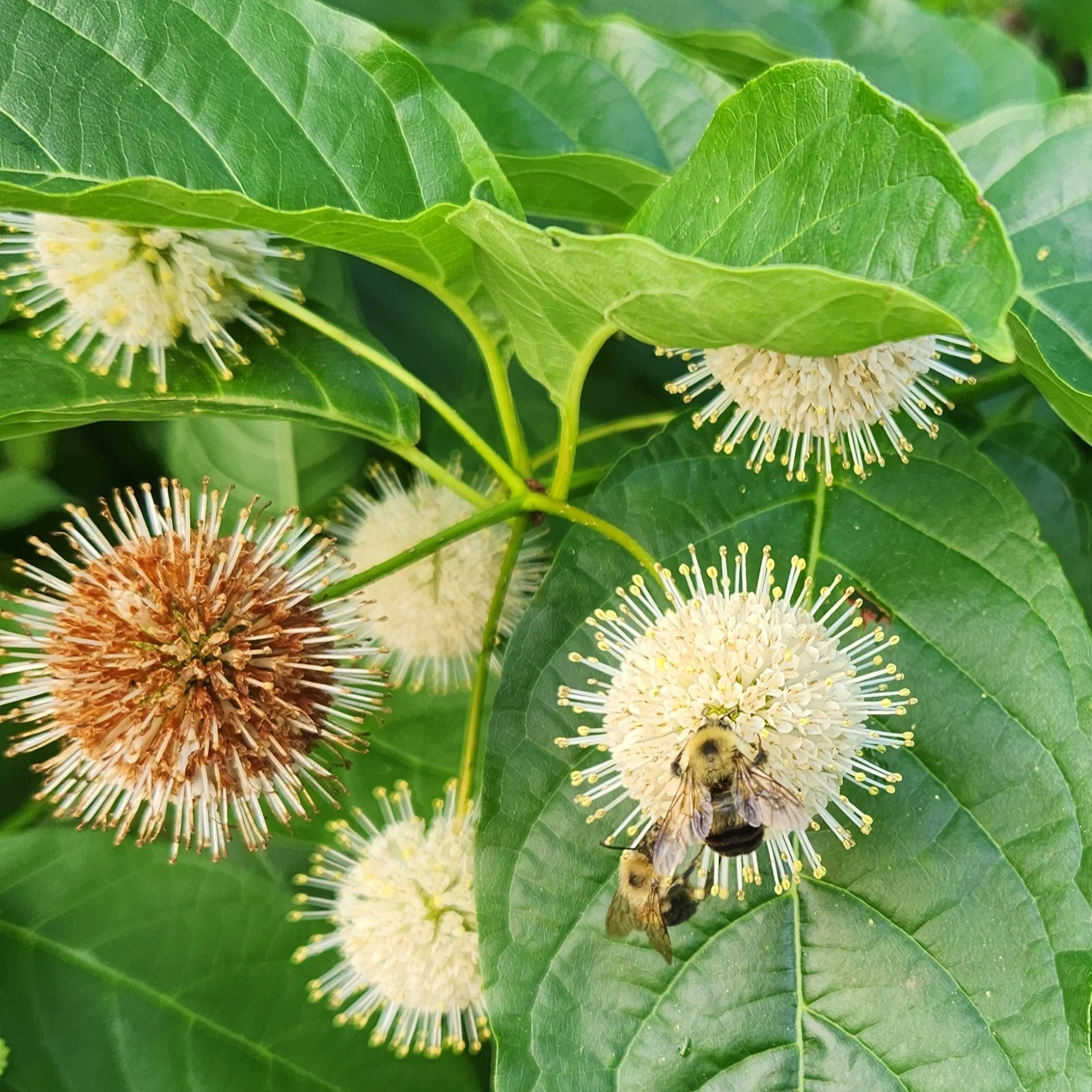
Image 1 of 3
 Image 2 of 3
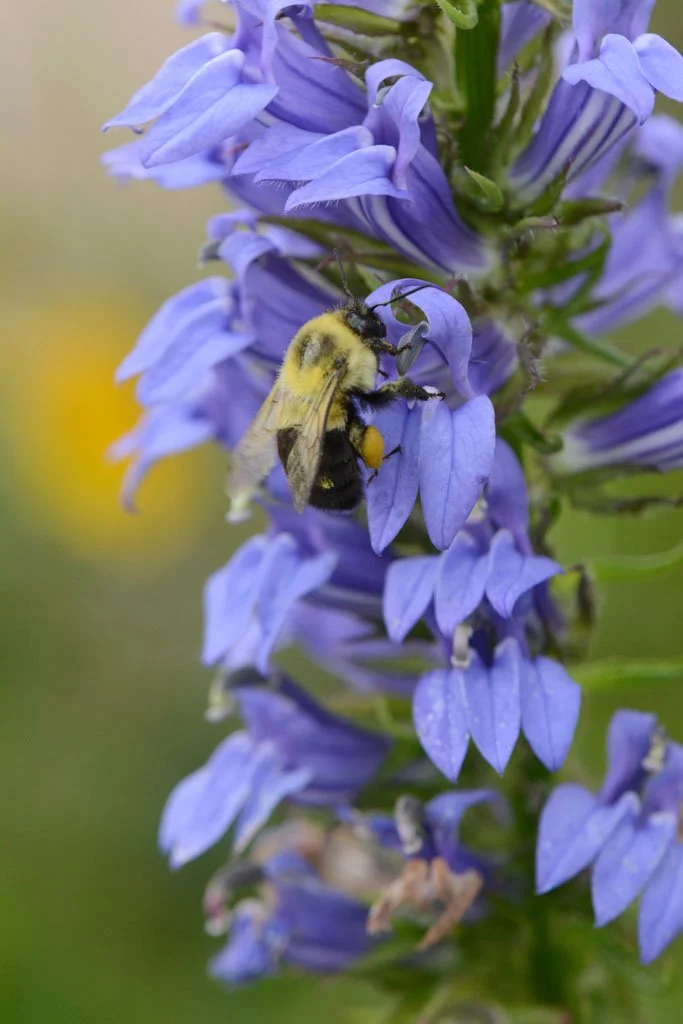 Image 3 of 3
Lobelia siphilitica, Blue Lobelia
FS-PS, Zone 3, Blooms Jul-Oct, 3’ x 1-1.5’, Wet-Medium, deer resistant
Lobelia siphilitica is a clump forming perennial wildflower with toothed lance shaped leaves. In late summer stems are topped by spiky racemes of intense blue-violet florets. The blooms entice bees, hummingbirds and butterflies. Plants prosper in filtered shade with moist soils or in wetter sunny sites. The species adapts to sandy loam and gravelly or clay soil and acid to neutral pH. Moisture is appreciated but this species is reported to be more drought tolerant than Lobelia cardinalis. It is considered to be a short lived perennial but in an appropriate setting it will self-sow and replenish the population.
Its vibrant blue, tubular flowers bloom in late summer and early fall, offering a critical nectar boost just as many other plants finish flowering, feeding pollinators preparing for migration or winter.
As a wetland plant it thrives in moist soils, helping stabilize stream banks and wet meadows, and is excellent for rain gardens, supporting biodiversity in these specific habitats.
Flowers attract native bees, hummingbirds and butterflies late in the season making it an important food source. Is the larval host plant for 6 moth species.
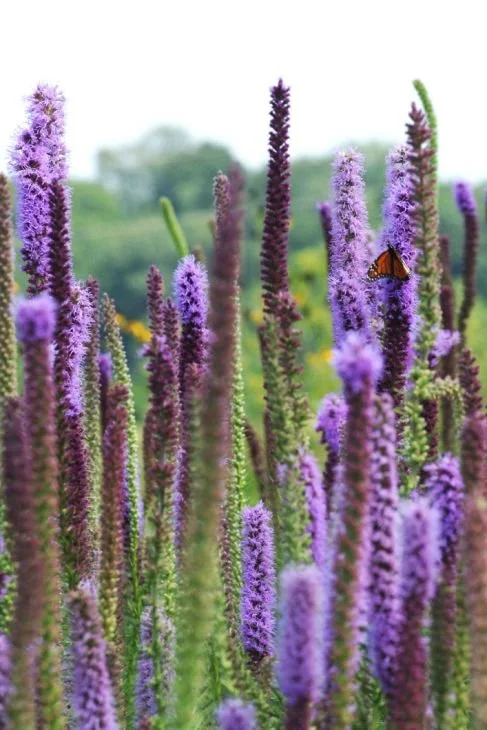
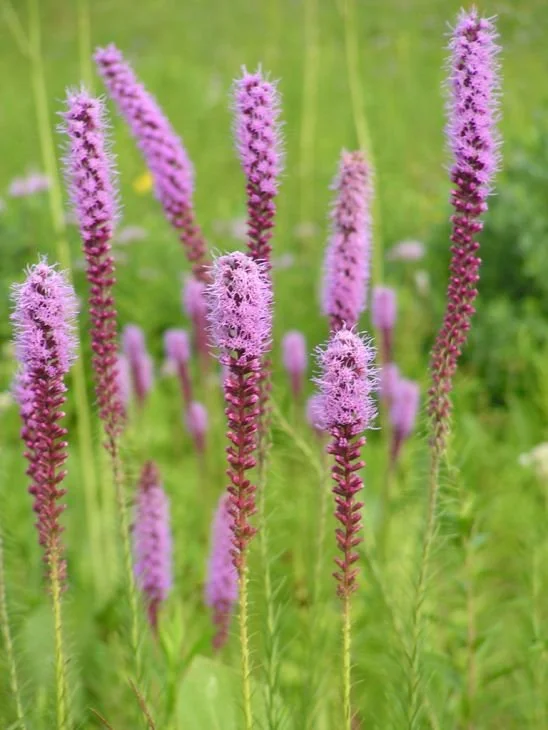
Photos 2 & 3 are from Prairie Moons website.
Lobelia siphilitica, Blue Lobelia
FS-PS, Zone 3, Blooms Jul-Oct, 3’ x 1-1.5’, Wet-Medium, deer resistant
Lobelia siphilitica is a clump forming perennial wildflower with toothed lance shaped leaves. In late summer stems are topped by spiky racemes of intense blue-violet florets. The blooms entice bees, hummingbirds and butterflies. Plants prosper in filtered shade with moist soils or in wetter sunny sites. The species adapts to sandy loam and gravelly or clay soil and acid to neutral pH. Moisture is appreciated but this species is reported to be more drought tolerant than Lobelia cardinalis. It is considered to be a short lived perennial but in an appropriate setting it will self-sow and replenish the population.
Its vibrant blue, tubular flowers bloom in late summer and early fall, offering a critical nectar boost just as many other plants finish flowering, feeding pollinators preparing for migration or winter.
As a wetland plant it thrives in moist soils, helping stabilize stream banks and wet meadows, and is excellent for rain gardens, supporting biodiversity in these specific habitats.
Flowers attract native bees, hummingbirds and butterflies late in the season making it an important food source. Is the larval host plant for 6 moth species.
Photos 2 & 3 are from Prairie Moons website.