Image 1 of 2
 Image 2 of 2
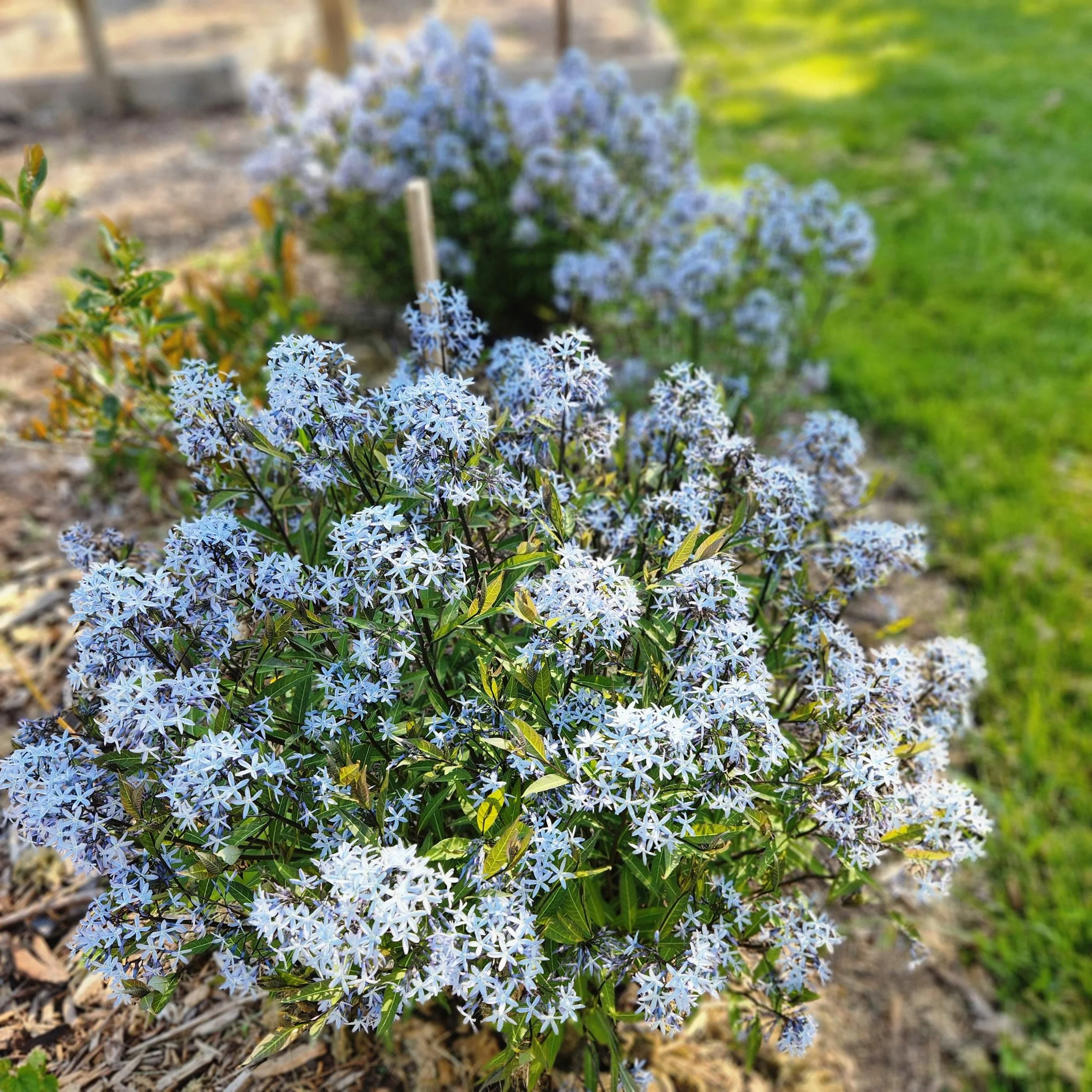
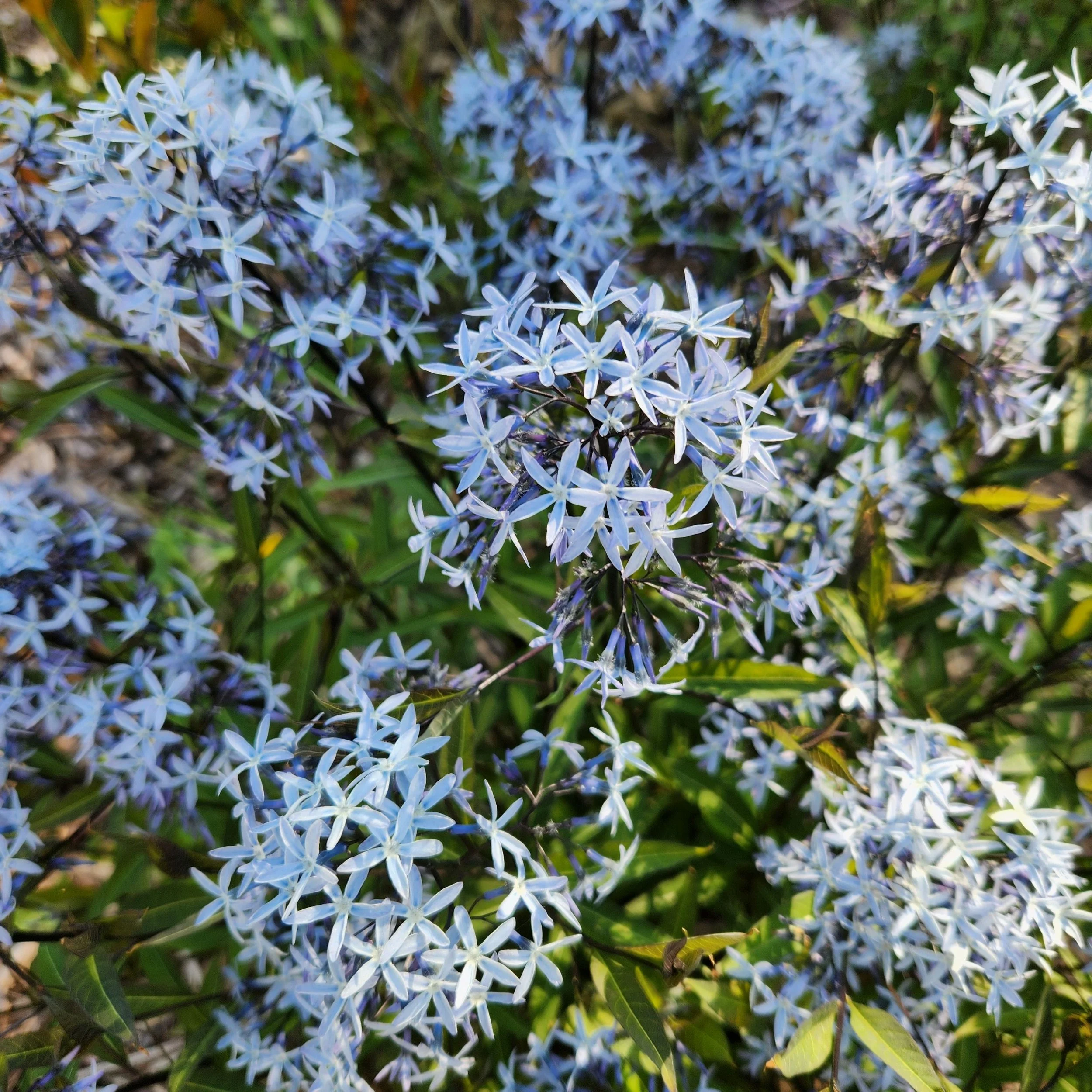
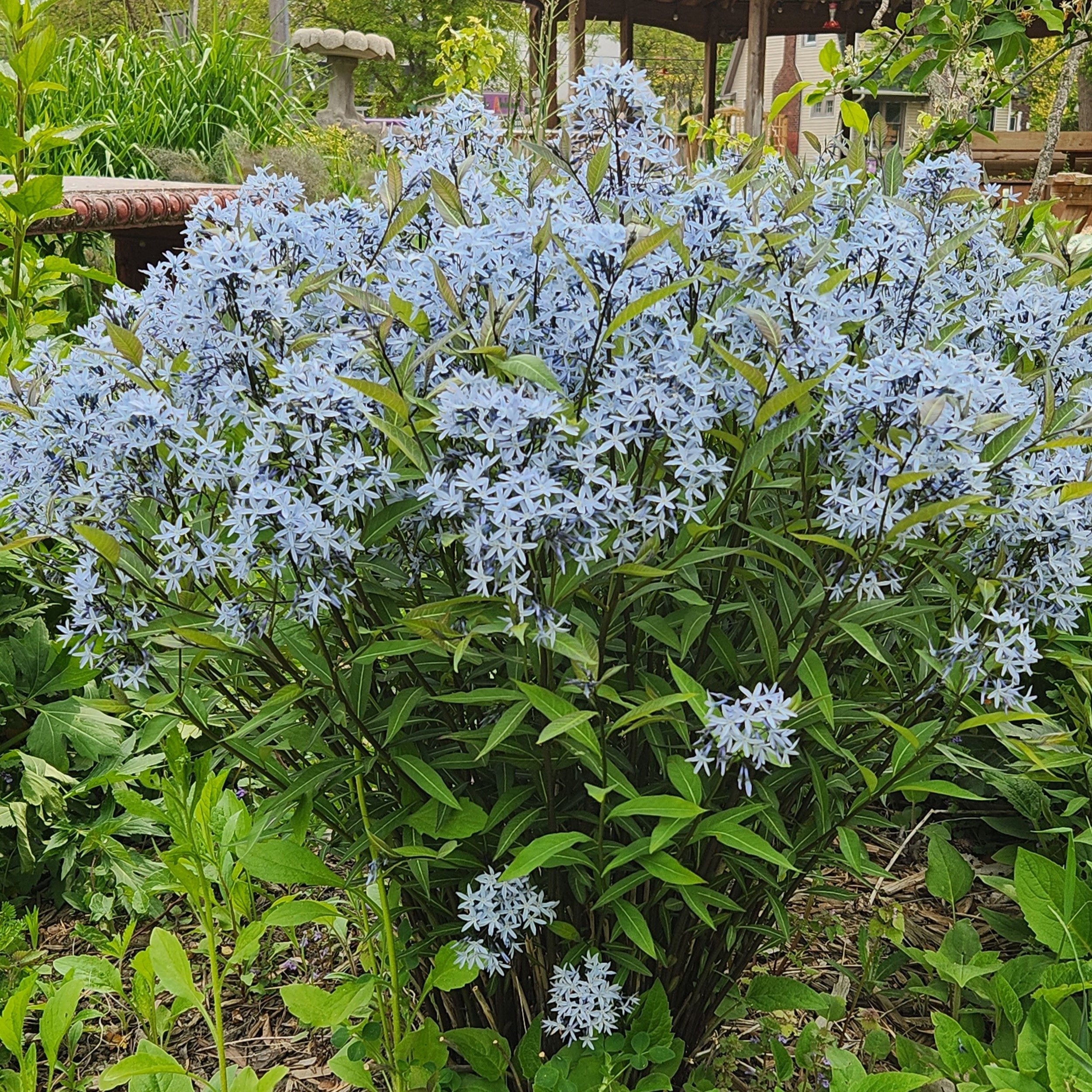
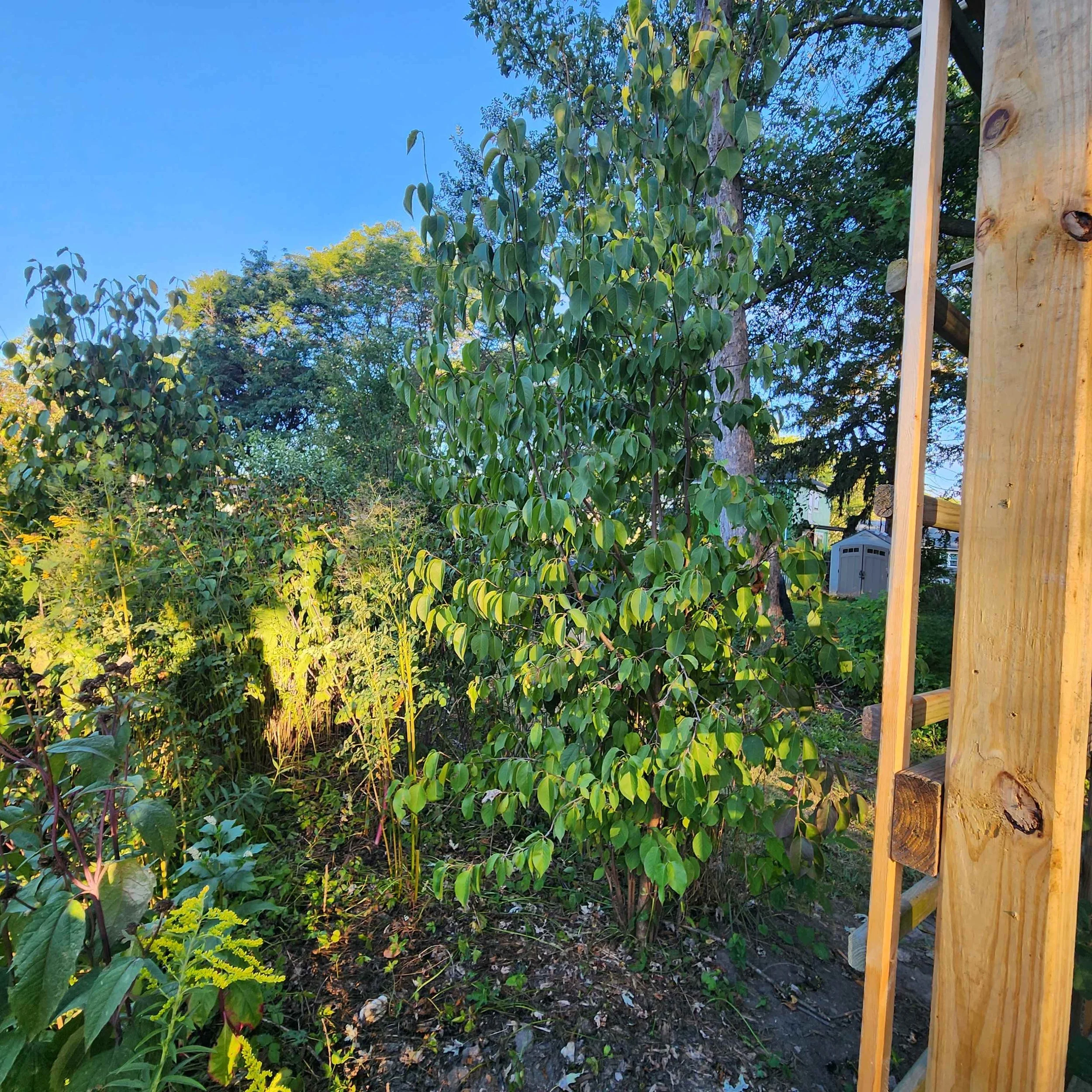
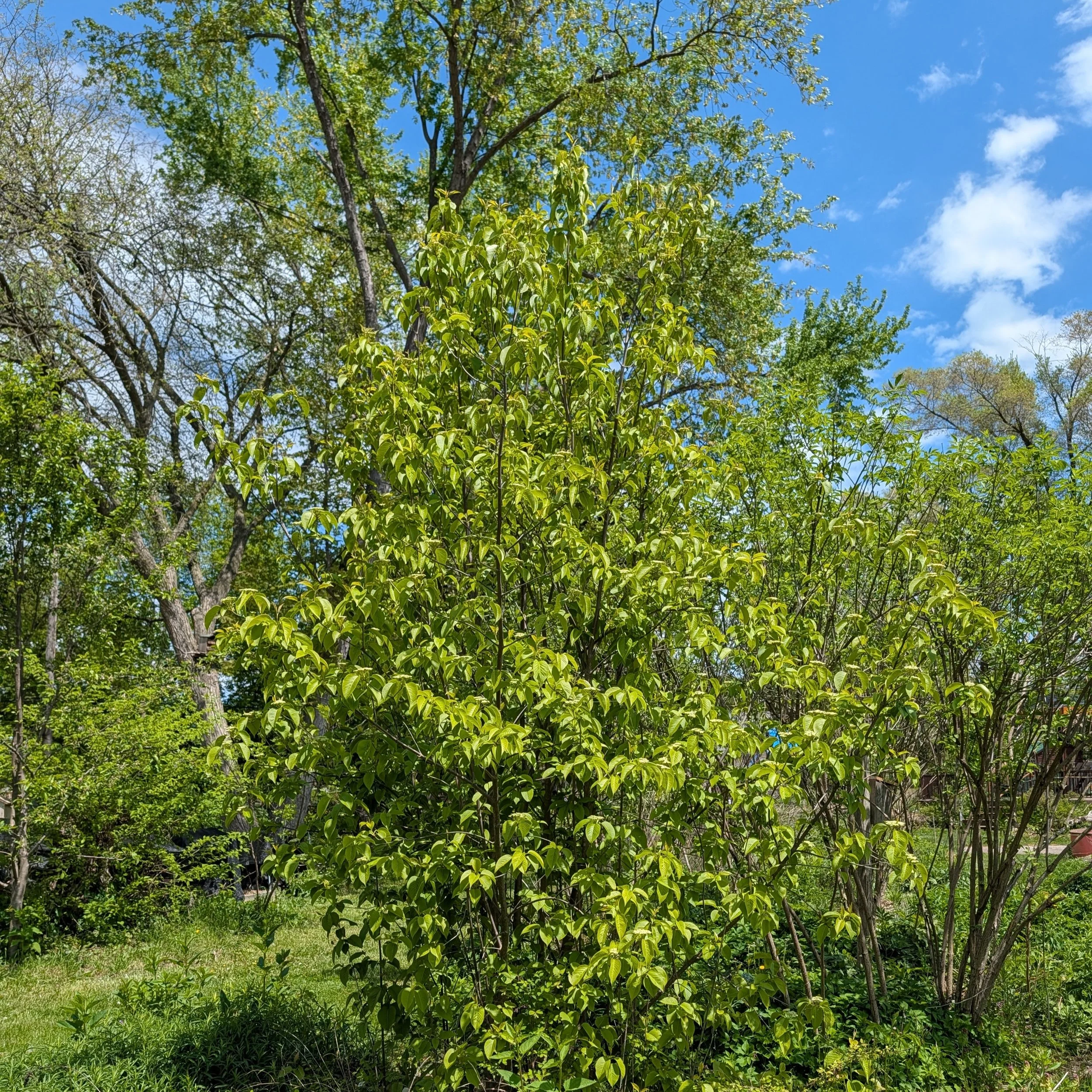
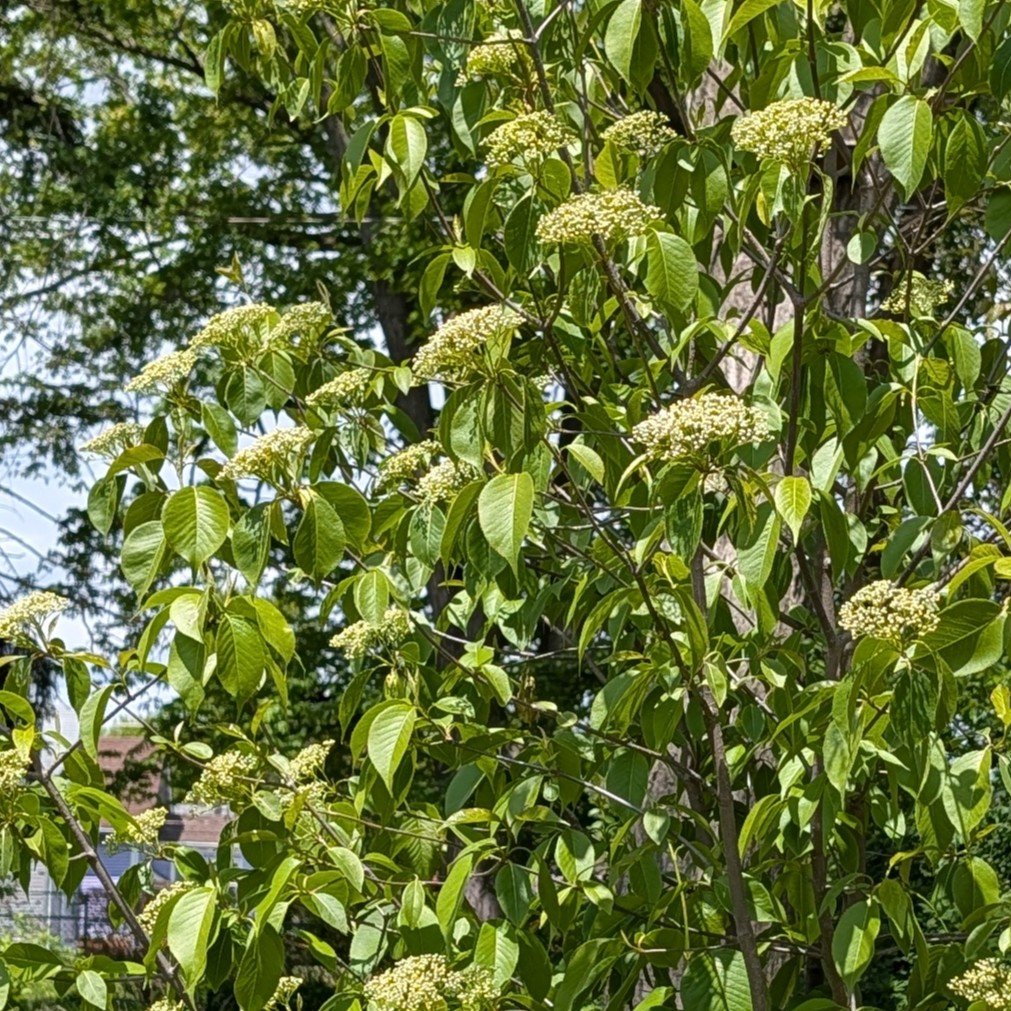
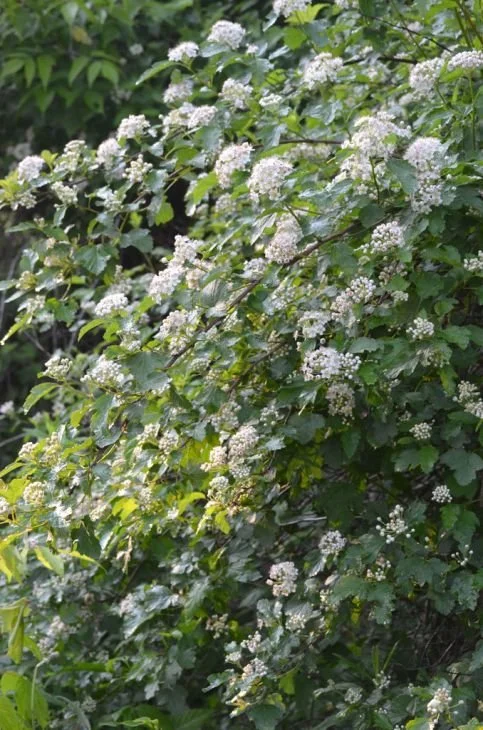
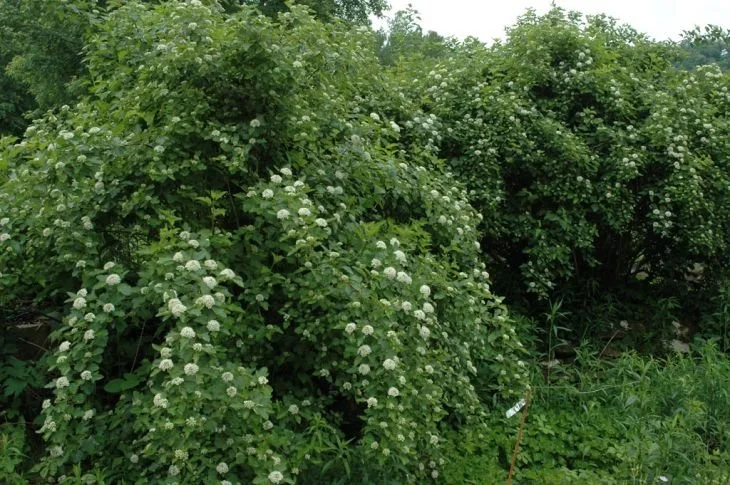
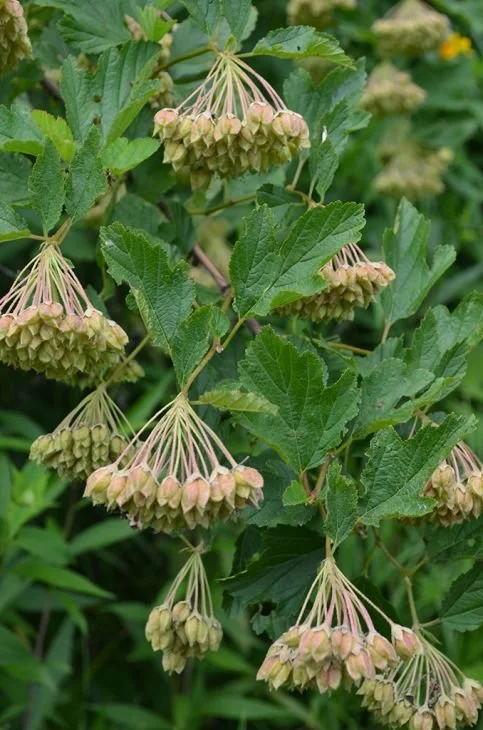
Diervilla lonicera, Bush Honeysuckle
PS-Shade, Zone 3, blooms June-Aug., 3’ x 2-3’, Medium dry to dry
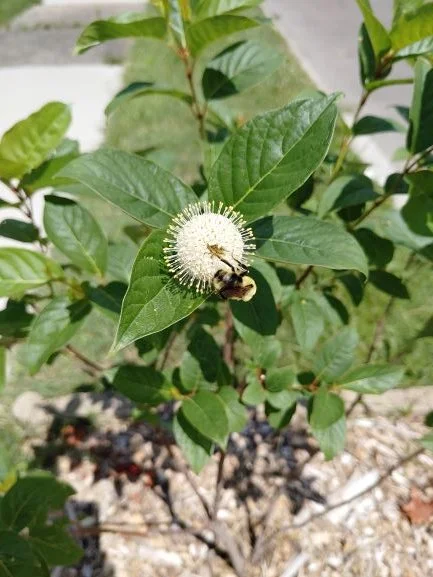
Keystone Species - Supports the local food web by feeding diverse native larvae. it is a significant resource for generalist pollinators and other specialized insects. The shrub is designated by the Xerces Society as having special value to bumble bees. Its trumpet-shaped, yellow flowers are "nectar magnets" for several native species. It also provides nectar mid-summer a time when other plants are done blooming but fall flowers haven’t started blooming.
Bush Honeysuckle, Diervilla lonicera, has dense, dark green foliage that turns yellow-orange, then red to purple in the autumn. The color will be more dramatic on plantings that receive more sunlight. Not a true honeysuckle, this small, mound-shaped shrub will spread to form thickets over time, making it a good choice for massing, hedgerows or shrub borders. It is also touted as a good choice for urban settings (foundations, walkways, walls and fences).
This drought tolerant native shrub adapts easily to poor, rocky soils. Dwarf Bush Honeysuckle is a great shrub for those difficult dry, shaded areas. It is hardy in zones 3-7, can spread aggressively by rhizomes in the right conditions, and has beautiful red fall foliage.
It is the host plant for several moth species, including the Snowberry Clearwing that nectars during daylight and the 2 dfferent Sphinx moths. Attracts hummingbirds, short & long tongued bees. Provides wildlife thicket cover.
Many non-native honeysuckles are considered invasive. Always, check the latin plant name when you purchase plants. The invasive species are - Lonicera morrowii, Lonicera tatarica, Lonicera x bella. Honeysuckles planted as ornamentals have a tendency to escape into natural habitats.
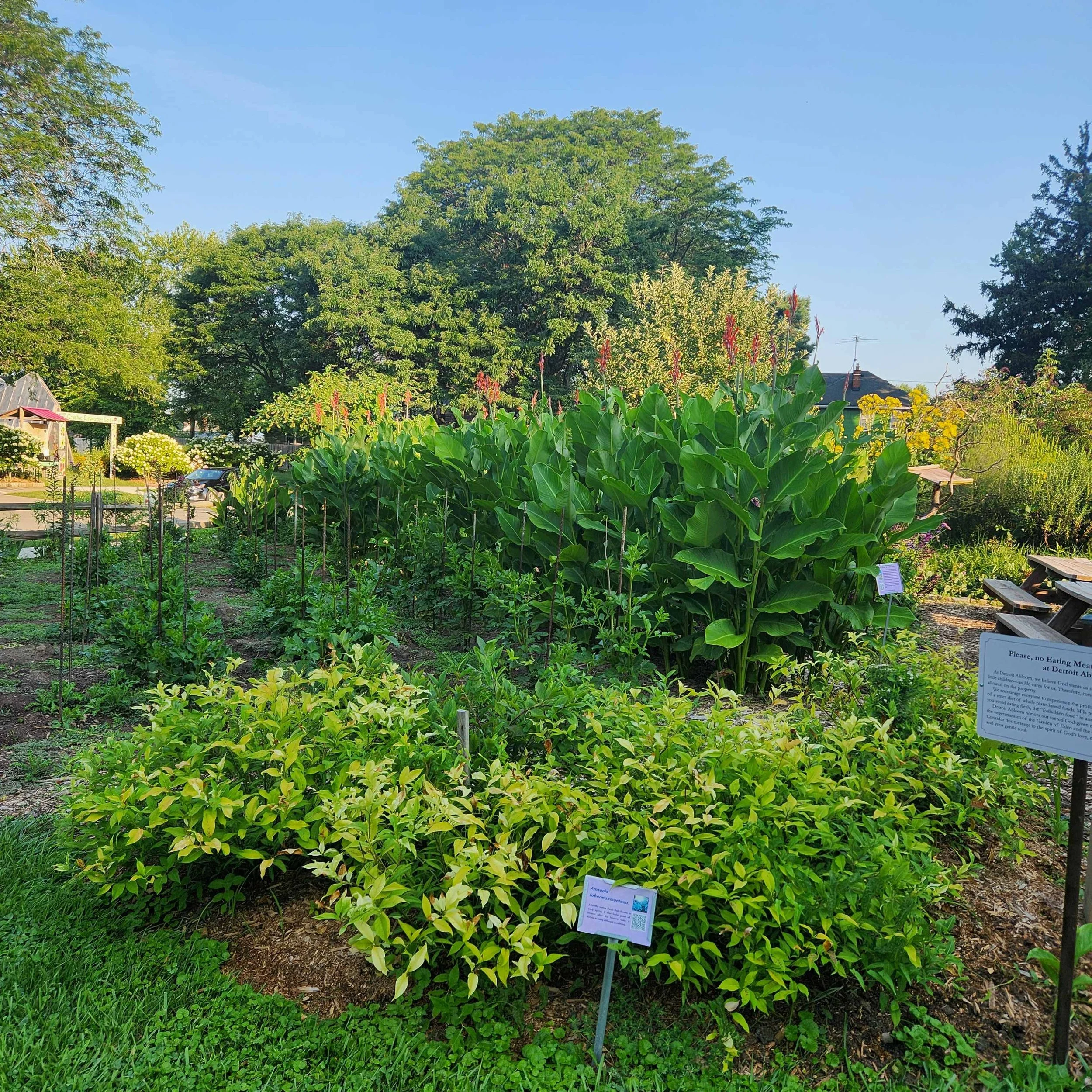
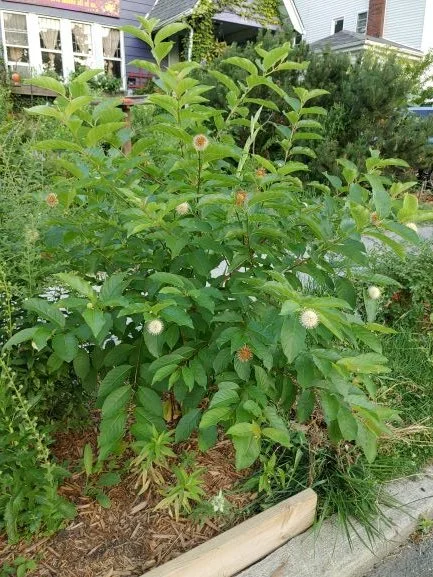
DA Planting Note - We have it planted in FS and PS. It does well in both. It does spread somewhat.
Diervilla lonicera, Bush Honeysuckle
PS-Shade, Zone 3, blooms June-Aug., 3’ x 2-3’, Medium dry to dry
Keystone Species - Supports the local food web by feeding diverse native larvae. it is a significant resource for generalist pollinators and other specialized insects. The shrub is designated by the Xerces Society as having special value to bumble bees. Its trumpet-shaped, yellow flowers are "nectar magnets" for several native species. It also provides nectar mid-summer a time when other plants are done blooming but fall flowers haven’t started blooming.
Bush Honeysuckle, Diervilla lonicera, has dense, dark green foliage that turns yellow-orange, then red to purple in the autumn. The color will be more dramatic on plantings that receive more sunlight. Not a true honeysuckle, this small, mound-shaped shrub will spread to form thickets over time, making it a good choice for massing, hedgerows or shrub borders. It is also touted as a good choice for urban settings (foundations, walkways, walls and fences).
This drought tolerant native shrub adapts easily to poor, rocky soils. Dwarf Bush Honeysuckle is a great shrub for those difficult dry, shaded areas. It is hardy in zones 3-7, can spread aggressively by rhizomes in the right conditions, and has beautiful red fall foliage.
It is the host plant for several moth species, including the Snowberry Clearwing that nectars during daylight and the 2 dfferent Sphinx moths. Attracts hummingbirds, short & long tongued bees. Provides wildlife thicket cover.
Many non-native honeysuckles are considered invasive. Always, check the latin plant name when you purchase plants. The invasive species are - Lonicera morrowii, Lonicera tatarica, Lonicera x bella. Honeysuckles planted as ornamentals have a tendency to escape into natural habitats.
DA Planting Note - We have it planted in FS and PS. It does well in both. It does spread somewhat.