Image 1 of 2
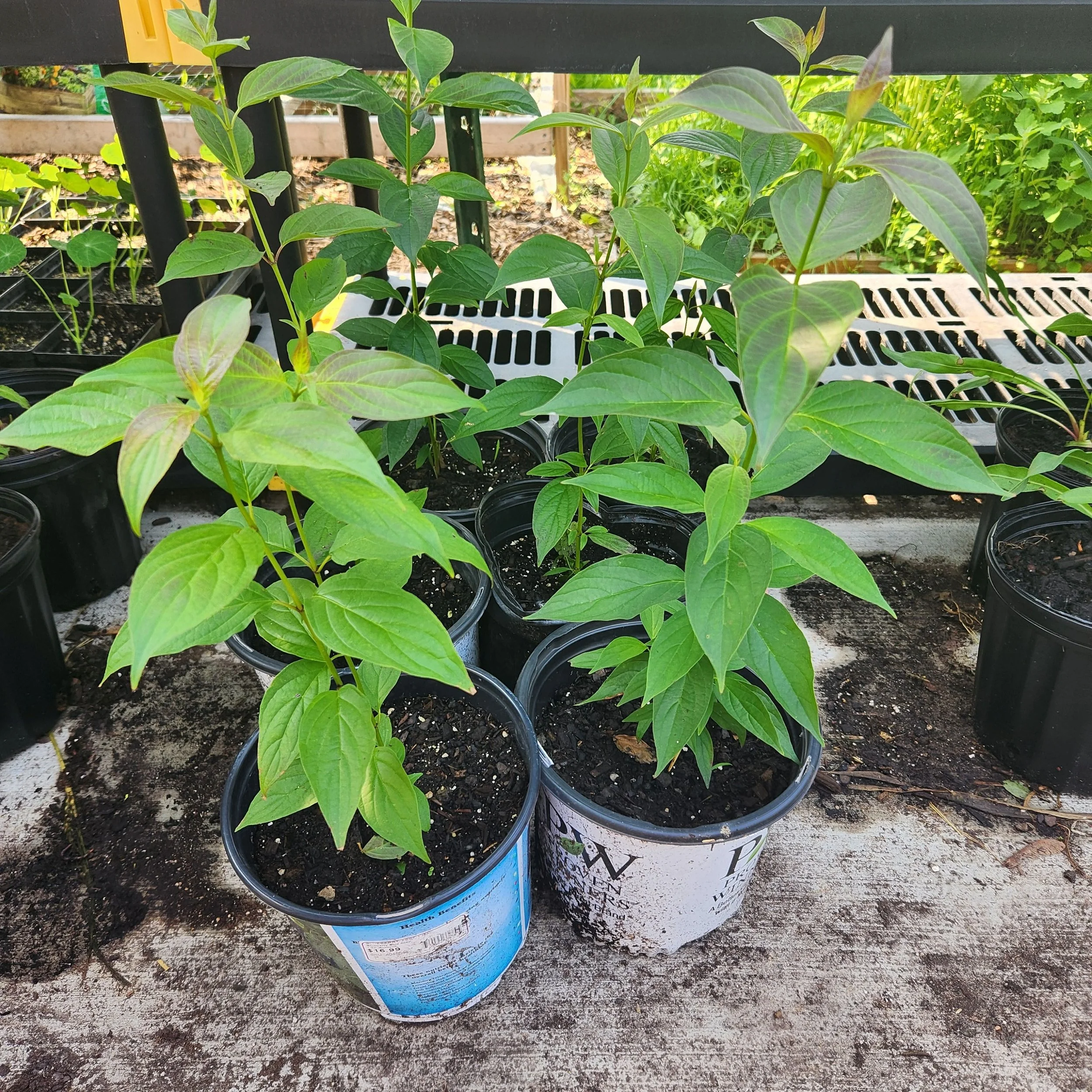 Image 2 of 2
Cornus amomum, Silky Dogwood Shrub
FS-FS, Zone 4, Blooms May - June, 6 - 12’ x 6’-12’, fruit August - October, wet to medium, somewhat deer resistant
Keystone species - In general the Cornus genus including Silky Dogwood is the larveal-host plant for 121 speceis of moths and butterflies. Including the Spring and Summer Azure Butterfly. Native dogwoods as a group are widely recognized as keystone plants due to their role in supporting specialized wildlife including several species of Mining bees. The shrub produces abundant,, high-fat, dark blue fruits in late summer to autumn. These berries are crucial for migrating and resident songbirds, including robins, catbirds, and woodpeckers. Cornus amomum spreads by suckers to create thickets, which provide nesting sites, shelter, and security for small mammals and birds. Helps with erosion control.
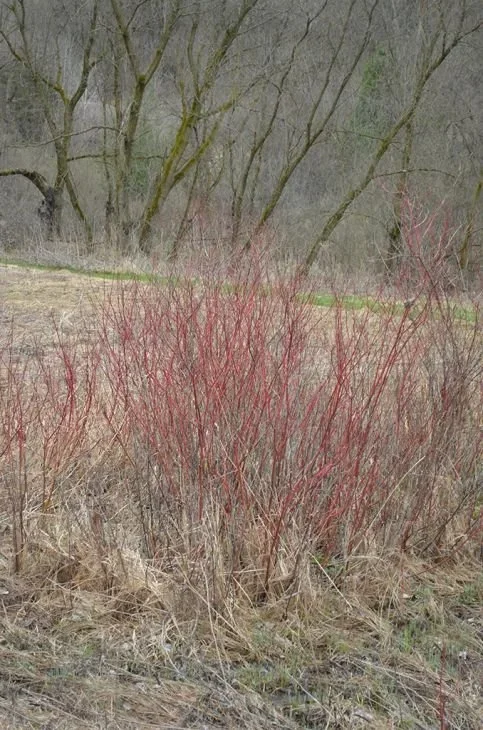
If you like to feed and watch the birds, you know the importance of having thickets and/or snags. Silky Dogwood is a true wildlife plant supporting small critters and birds. It will grow in full sun and full shade. Deer do sometimes browse Silky Dogwood, but the plant will rebound. The red twigs provide color and contrast. It is an excellent plant for erosion control. Spreads by suckers. Grows quickly, 1-2’ a year. May not be suiable for small spaces.
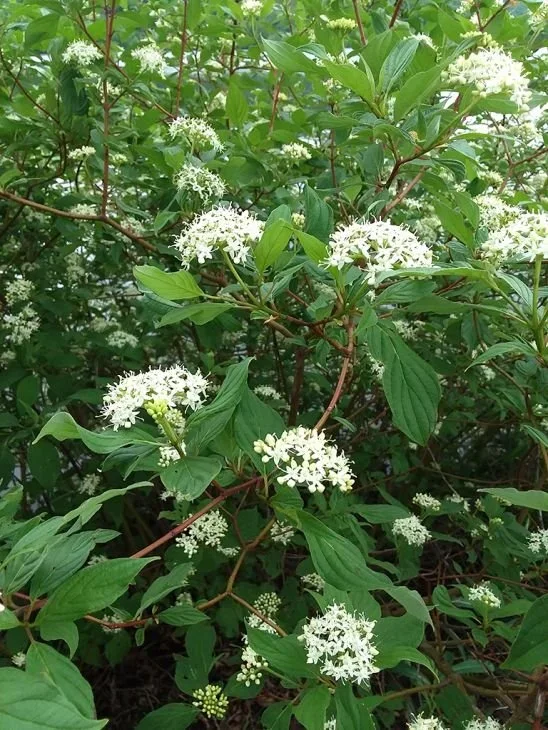
Dogwoods are considered Keystone plants. They support 121 species of moths and butterflies including the Spring Azure and Summer Azure Butterflies often seen at DA. Silky Dogwood also supports several specialist Mining bees. Many other pollinators visit the spring blooms. The fall berries are crucial for resident and migrating birds.
The berries are not toxic to humans or dogs.
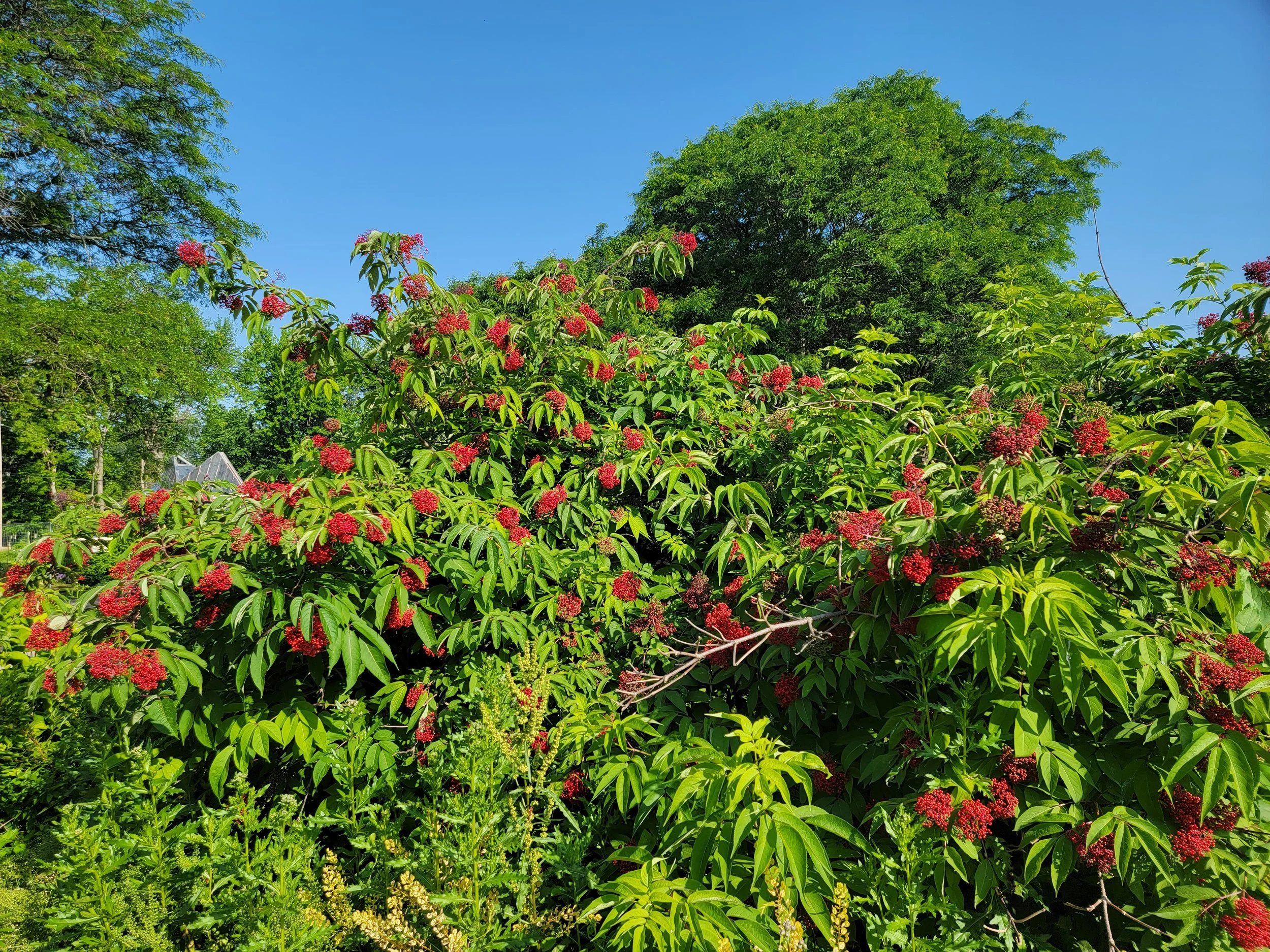
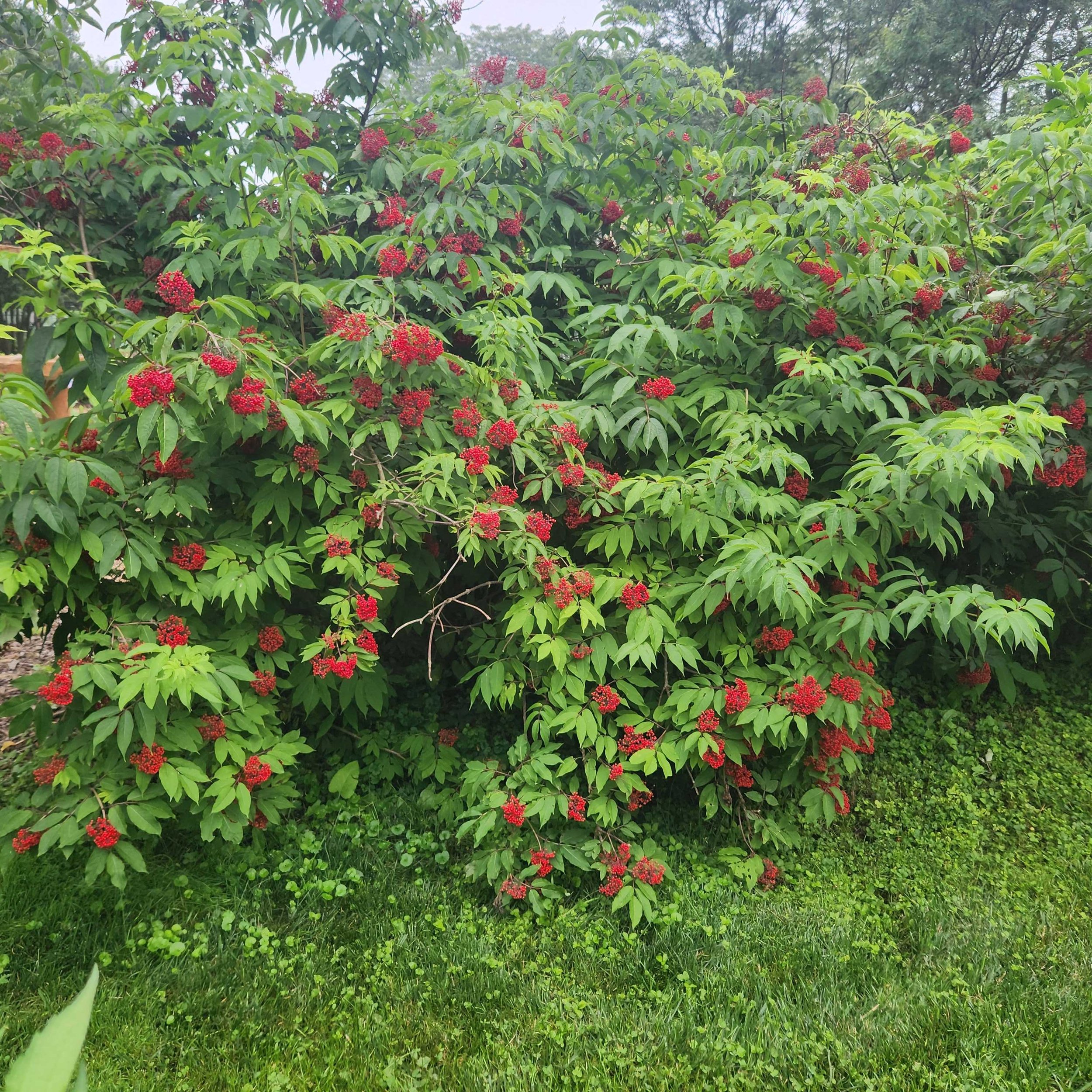
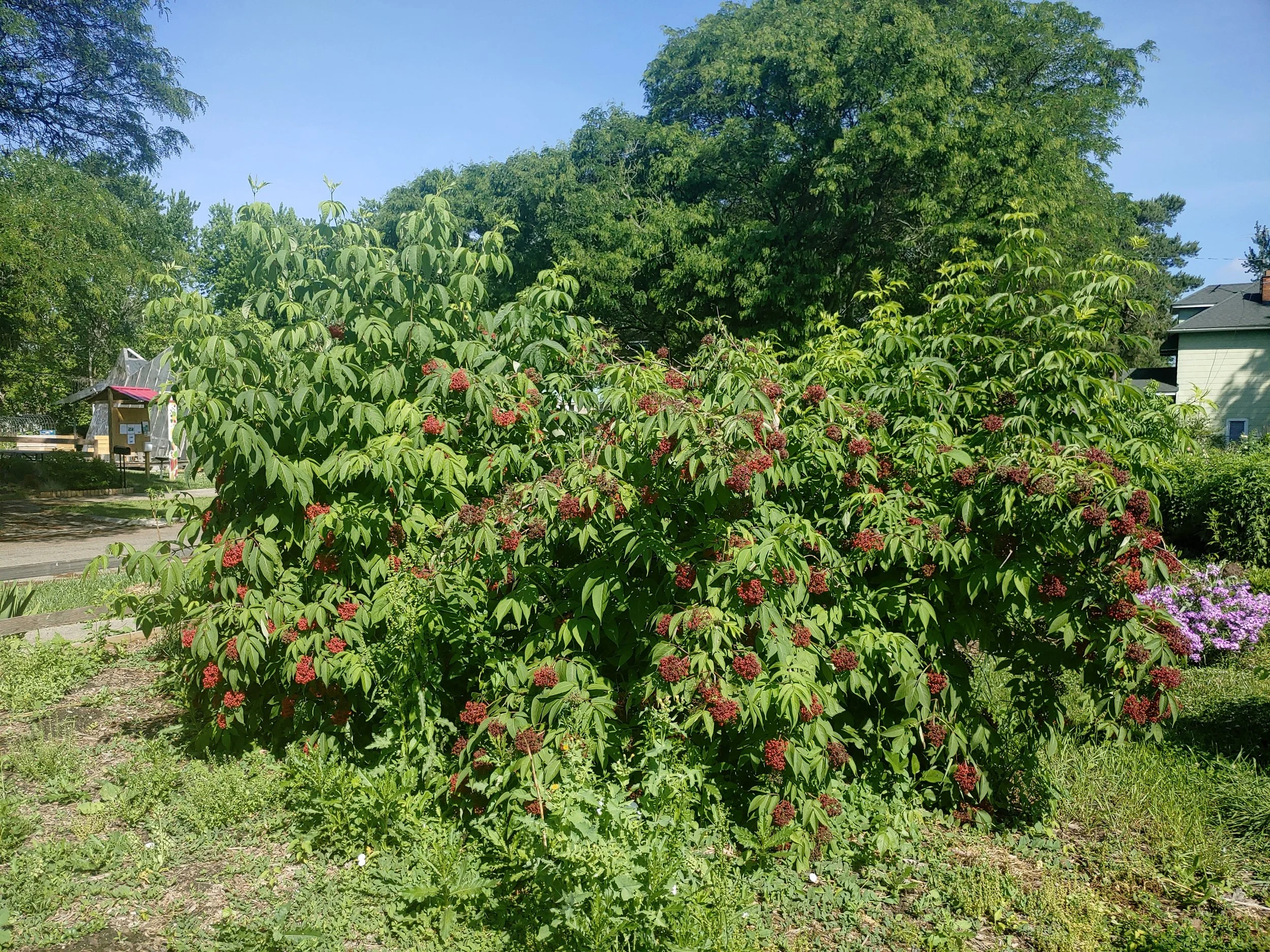
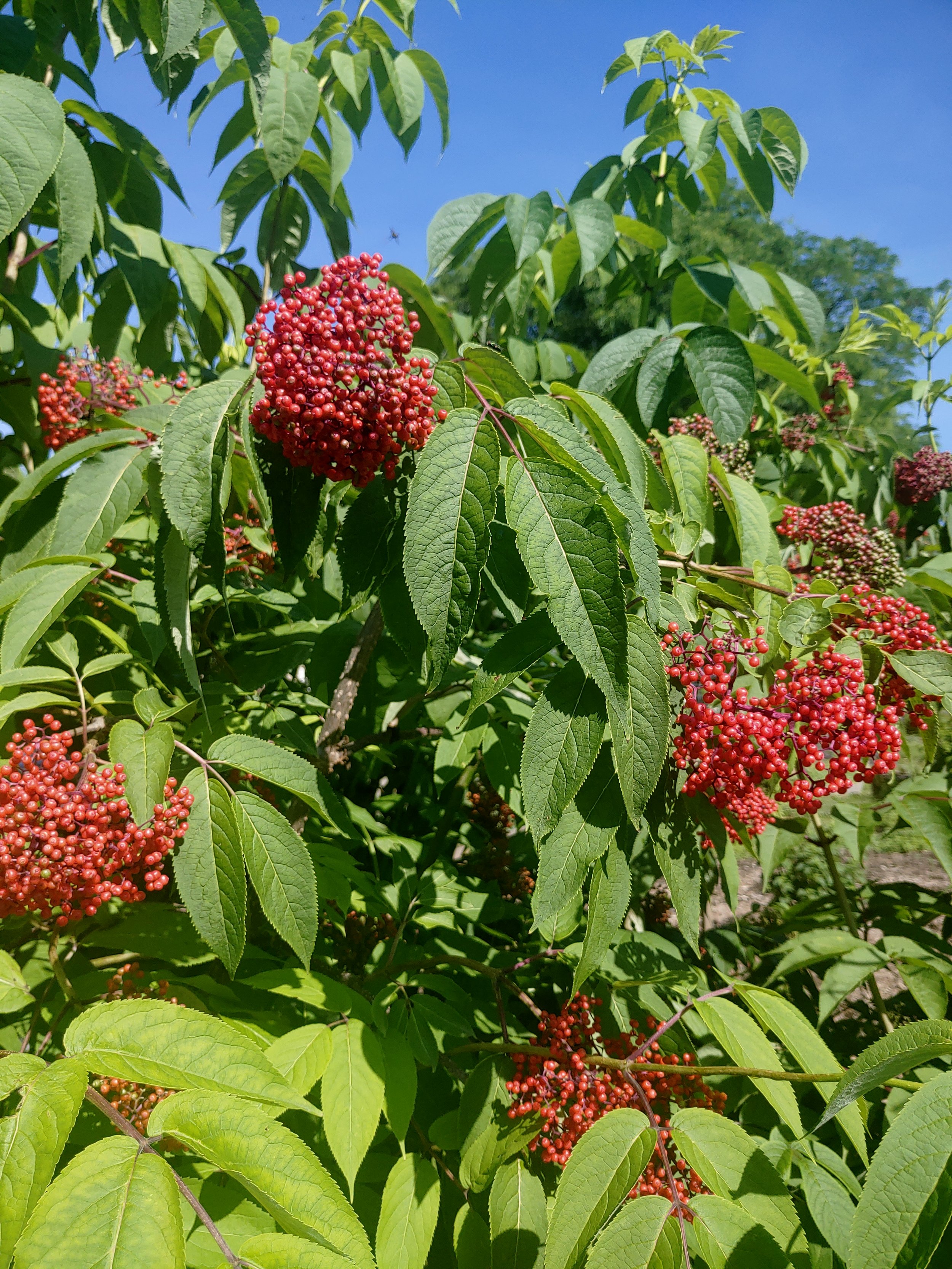
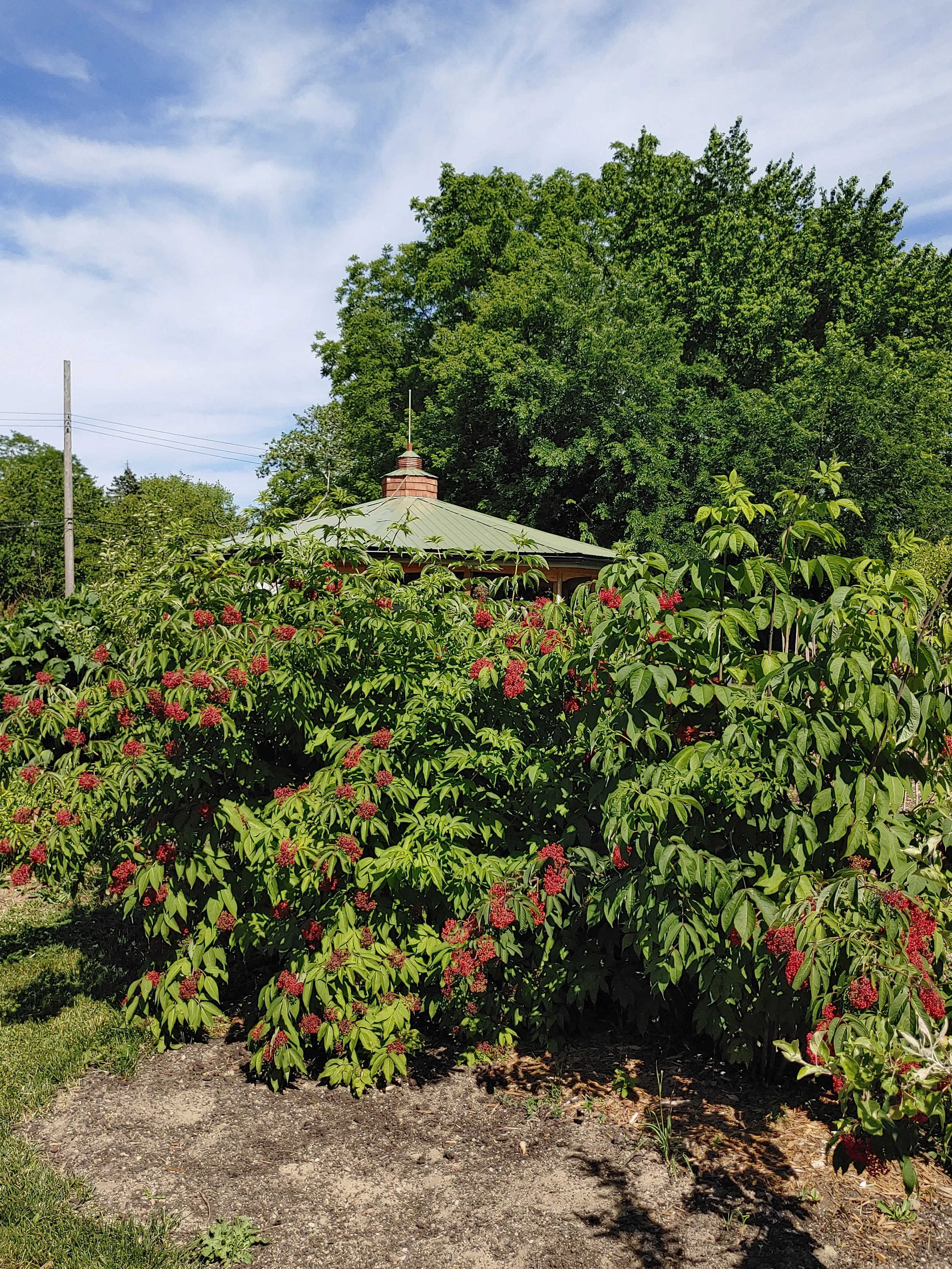
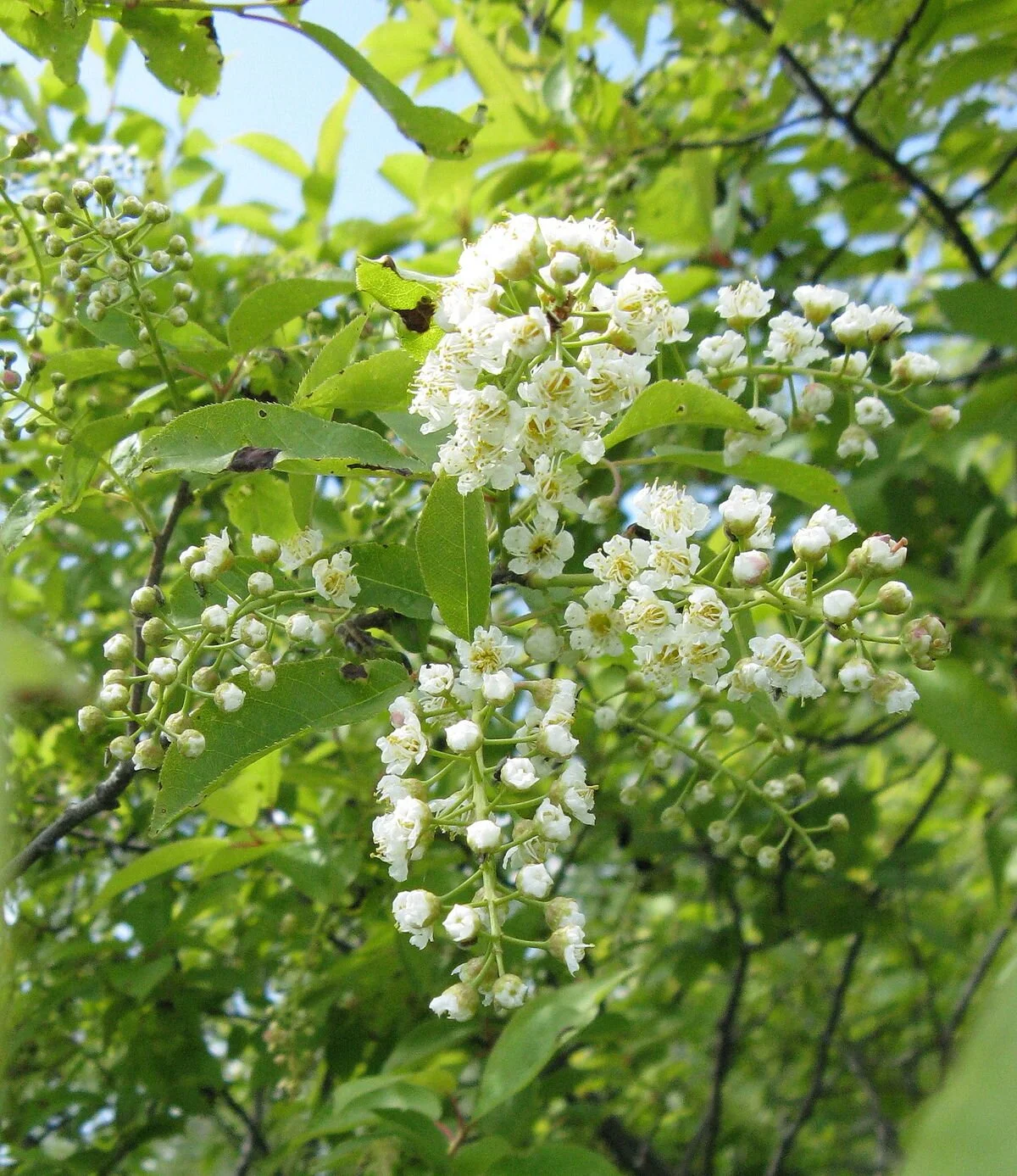
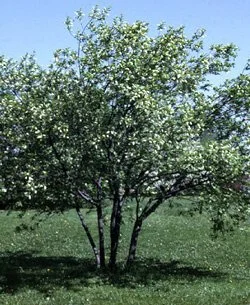
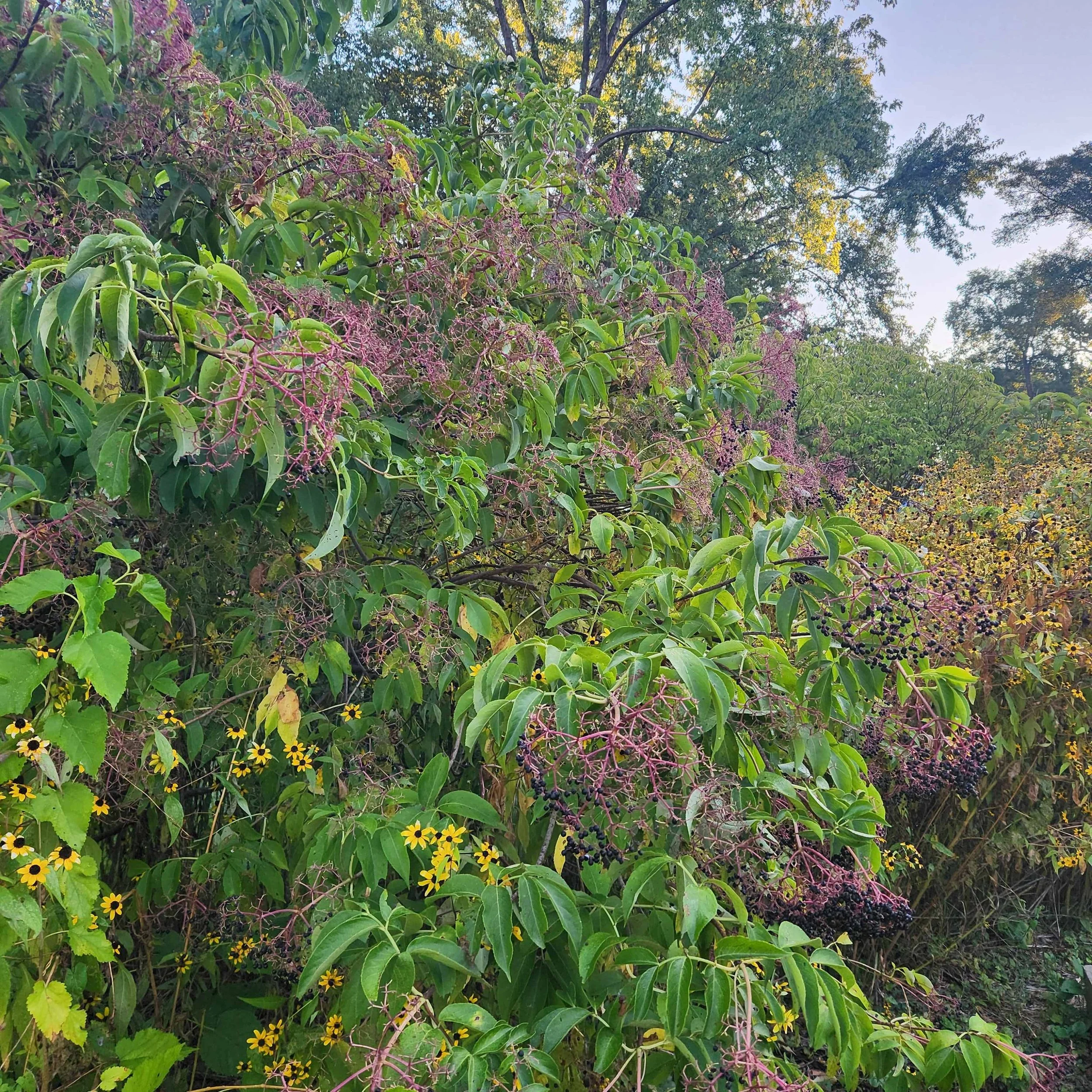
Plant image from Prairie Moon Nursery. Second image is the approximate size for 2026.
Cornus amomum, Silky Dogwood Shrub
FS-FS, Zone 4, Blooms May - June, 6 - 12’ x 6’-12’, fruit August - October, wet to medium, somewhat deer resistant
Keystone species - In general the Cornus genus including Silky Dogwood is the larveal-host plant for 121 speceis of moths and butterflies. Including the Spring and Summer Azure Butterfly. Native dogwoods as a group are widely recognized as keystone plants due to their role in supporting specialized wildlife including several species of Mining bees. The shrub produces abundant,, high-fat, dark blue fruits in late summer to autumn. These berries are crucial for migrating and resident songbirds, including robins, catbirds, and woodpeckers. Cornus amomum spreads by suckers to create thickets, which provide nesting sites, shelter, and security for small mammals and birds. Helps with erosion control.
If you like to feed and watch the birds, you know the importance of having thickets and/or snags. Silky Dogwood is a true wildlife plant supporting small critters and birds. It will grow in full sun and full shade. Deer do sometimes browse Silky Dogwood, but the plant will rebound. The red twigs provide color and contrast. It is an excellent plant for erosion control. Spreads by suckers. Grows quickly, 1-2’ a year. May not be suiable for small spaces.
Dogwoods are considered Keystone plants. They support 121 species of moths and butterflies including the Spring Azure and Summer Azure Butterflies often seen at DA. Silky Dogwood also supports several specialist Mining bees. Many other pollinators visit the spring blooms. The fall berries are crucial for resident and migrating birds.
The berries are not toxic to humans or dogs.
Plant image from Prairie Moon Nursery. Second image is the approximate size for 2026.