Coreopsis tripteris, Tall Tickseed
FS-PS, Zone 4, Blooms July-Oct, 7’ x 3-4’, Med dry - Med wet, deer resistant
Keystone Species - because it provides a disproportionately high amount of support for the local food web compared to other native plants. It supports 6 species of Butterflies & Moths. It is a "powerhouse" for native bees. It supports at least 17 different specialist bee species that rely specifically on its pollen to survive. It also attracts a wide variety of generalist pollinators, including butterflies, wasps, and hoverflies.
Considered a Keystone Plant for our region. A Xerces Society article indicates that the genus Coreopsis belongs to the top group of "powerhouse" plants that support a disproportionately large number of wildlife species compared to other native plants.
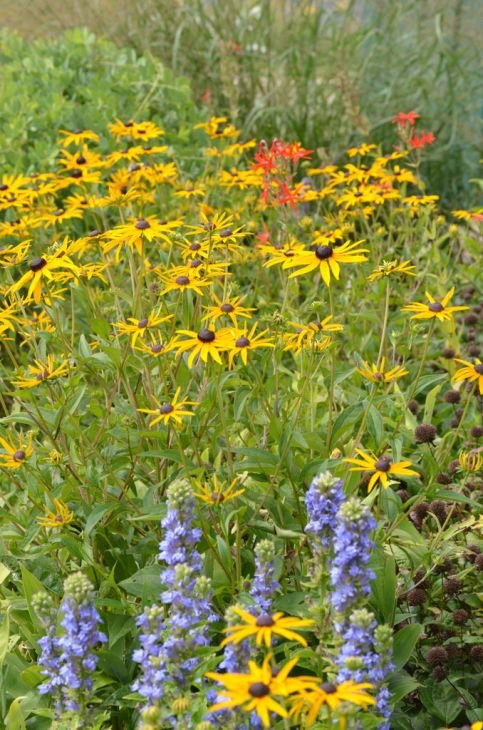
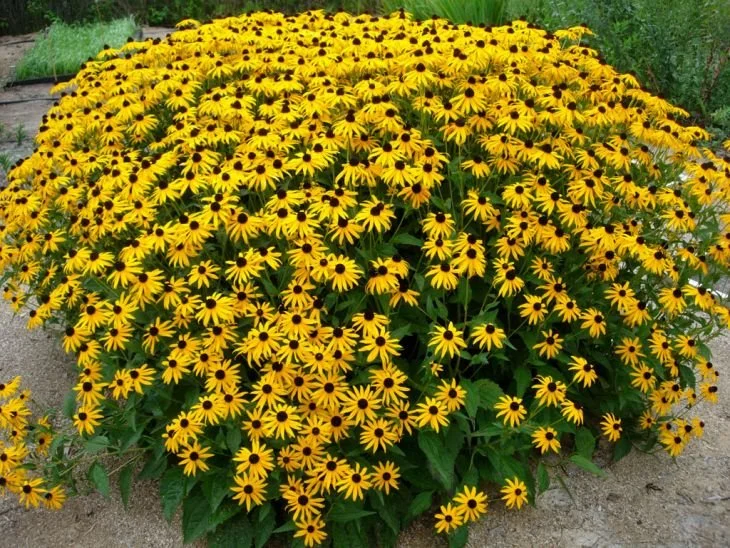
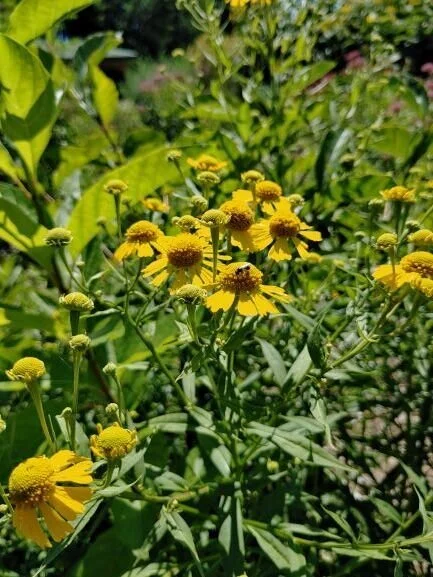
Tall tickseed, as the name suggests, is a tall plant that can reach 8 feet or more in height. The late summer/fall garden is all about big and fits right in with towering stems covered with large bright yellow daisies for several months beginning in late summer.
Tall coreopsis is drought tolerant. It has very low watering needs, especially during the colder months of the year. You can water it regularly during the bloom time but refrain from overwatering as it can lead to waterlogged soil. We have never had to stake this plant! Reliable and long blooming!
Tall Tickweed attracts a variety of animals. Since they are tall and grow in clumps, birds like to hide in them and eat their seeds. And when in bloom they attract a host of bees and butterflies. Host plant for multiple moth species.
As a Keystone plant, is the the host plant for several moths. It also supports 17 different Specialist Bees that rely on the pollen. This includes a species of Mining Bee and Sweat Bees.
Coreopsis tripteris, Tall Tickseed
FS-PS, Zone 4, Blooms July-Oct, 7’ x 3-4’, Med dry - Med wet, deer resistant
Keystone Species - because it provides a disproportionately high amount of support for the local food web compared to other native plants. It supports 6 species of Butterflies & Moths. It is a "powerhouse" for native bees. It supports at least 17 different specialist bee species that rely specifically on its pollen to survive. It also attracts a wide variety of generalist pollinators, including butterflies, wasps, and hoverflies.
Considered a Keystone Plant for our region. A Xerces Society article indicates that the genus Coreopsis belongs to the top group of "powerhouse" plants that support a disproportionately large number of wildlife species compared to other native plants.
Tall tickseed, as the name suggests, is a tall plant that can reach 8 feet or more in height. The late summer/fall garden is all about big and fits right in with towering stems covered with large bright yellow daisies for several months beginning in late summer.
Tall coreopsis is drought tolerant. It has very low watering needs, especially during the colder months of the year. You can water it regularly during the bloom time but refrain from overwatering as it can lead to waterlogged soil. We have never had to stake this plant! Reliable and long blooming!
Tall Tickweed attracts a variety of animals. Since they are tall and grow in clumps, birds like to hide in them and eat their seeds. And when in bloom they attract a host of bees and butterflies. Host plant for multiple moth species.
As a Keystone plant, is the the host plant for several moths. It also supports 17 different Specialist Bees that rely on the pollen. This includes a species of Mining Bee and Sweat Bees.
 Image 1 of 9
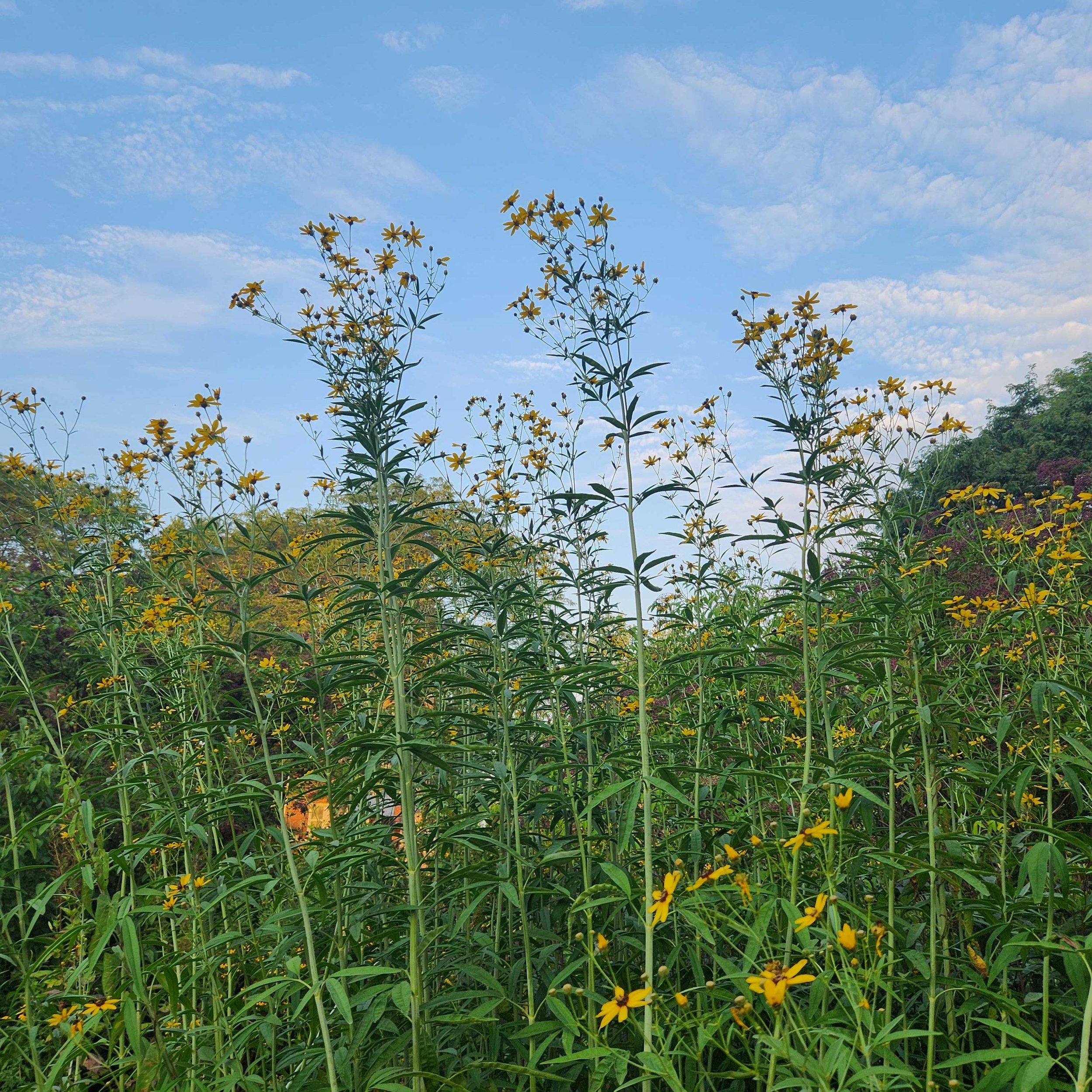 Image 2 of 9
 Image 3 of 9
 Image 4 of 9
 Image 5 of 9
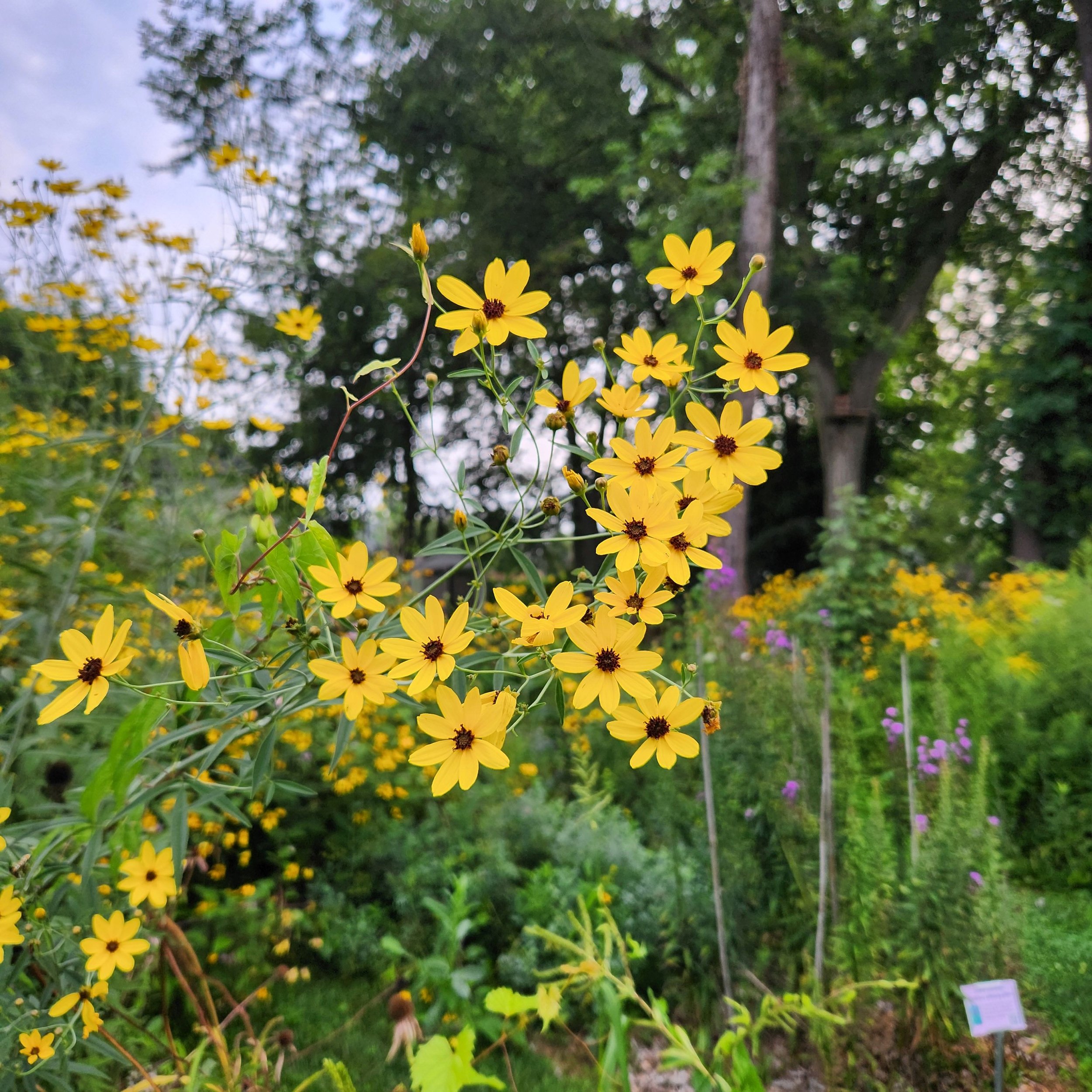 Image 6 of 9
 Image 7 of 9
 Image 8 of 9
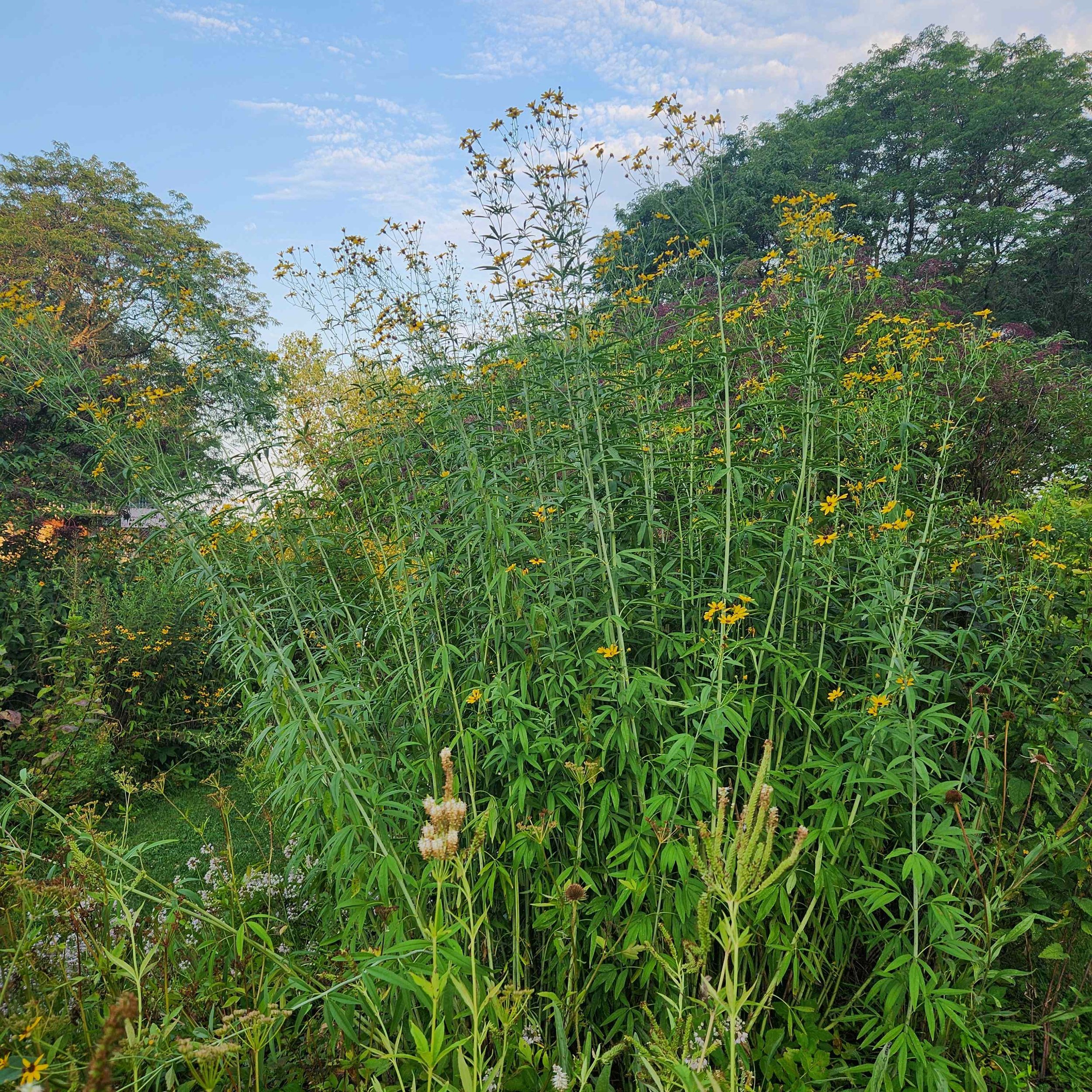 Image 9 of 9