 Image 1 of 1
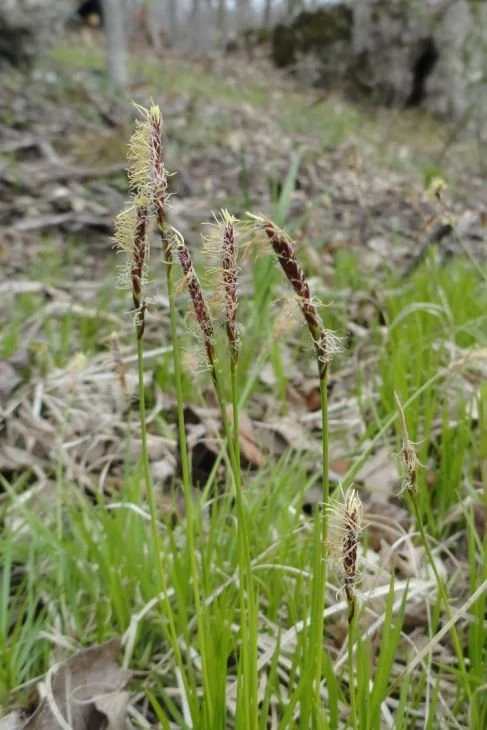
Carex pensylvanica, Pennsylvania Sedge
FS - FS, zone 3, blooms April-June, 8” x 8”, medium to dry
Carex is a very large, complex genus with hundreds of species across the entire United States, with a high concentration of about 150 species located in the eastern region. Native carex species form the foundation of various ecosystems by offering essential food and shelter for wildlife, which helps sustain biodiversity. In summary they are an essential food source, provide habitat and shelter, the deep root systems stabilize soil, provides nesting materials and seeds for birds and overwintering spots for insects. Overall carex species support 36 species of moths and butterflies. Carex species can be planted in a wide range of conditions – FS to shade, wet to dry. They make a perfect ground cover.
Keystone Species - Pennsylvania Sedge is considered a keystone plant within the dry to mesic oak woodlands where it is valued for its role in maintaining biodiversity, supporting specialized insects, and providing habitat for birds.
Pennsylvania Sedge is a cool season plant that actively grows in the spring and fall. It is sought after as a lawn replacement and its ability to tolerate dry conditions, once established.
As a keystone species, it provides critical food and habitat for a wide range of native insects, including caterpillars of specialized butterflies and moths (skippers). These insects are a crucial food source for birds and other wildlife. The plant material is used by birds for their nests.
According to Prairie Moon Nursery divide over the seasons to achieve a solid stand. Does not spread aggressively.
Beyond its natural role, it is a premier native plant for landscaping, often used as a sustainable, low-maintenance, "no-mow" lawn alternative in dry shade.
Carex pensylvanica, Pennsylvania Sedge
FS - FS, zone 3, blooms April-June, 8” x 8”, medium to dry
Carex is a very large, complex genus with hundreds of species across the entire United States, with a high concentration of about 150 species located in the eastern region. Native carex species form the foundation of various ecosystems by offering essential food and shelter for wildlife, which helps sustain biodiversity. In summary they are an essential food source, provide habitat and shelter, the deep root systems stabilize soil, provides nesting materials and seeds for birds and overwintering spots for insects. Overall carex species support 36 species of moths and butterflies. Carex species can be planted in a wide range of conditions – FS to shade, wet to dry. They make a perfect ground cover.
Keystone Species - Pennsylvania Sedge is considered a keystone plant within the dry to mesic oak woodlands where it is valued for its role in maintaining biodiversity, supporting specialized insects, and providing habitat for birds.
Pennsylvania Sedge is a cool season plant that actively grows in the spring and fall. It is sought after as a lawn replacement and its ability to tolerate dry conditions, once established.
As a keystone species, it provides critical food and habitat for a wide range of native insects, including caterpillars of specialized butterflies and moths (skippers). These insects are a crucial food source for birds and other wildlife. The plant material is used by birds for their nests.
According to Prairie Moon Nursery divide over the seasons to achieve a solid stand. Does not spread aggressively.
Beyond its natural role, it is a premier native plant for landscaping, often used as a sustainable, low-maintenance, "no-mow" lawn alternative in dry shade.