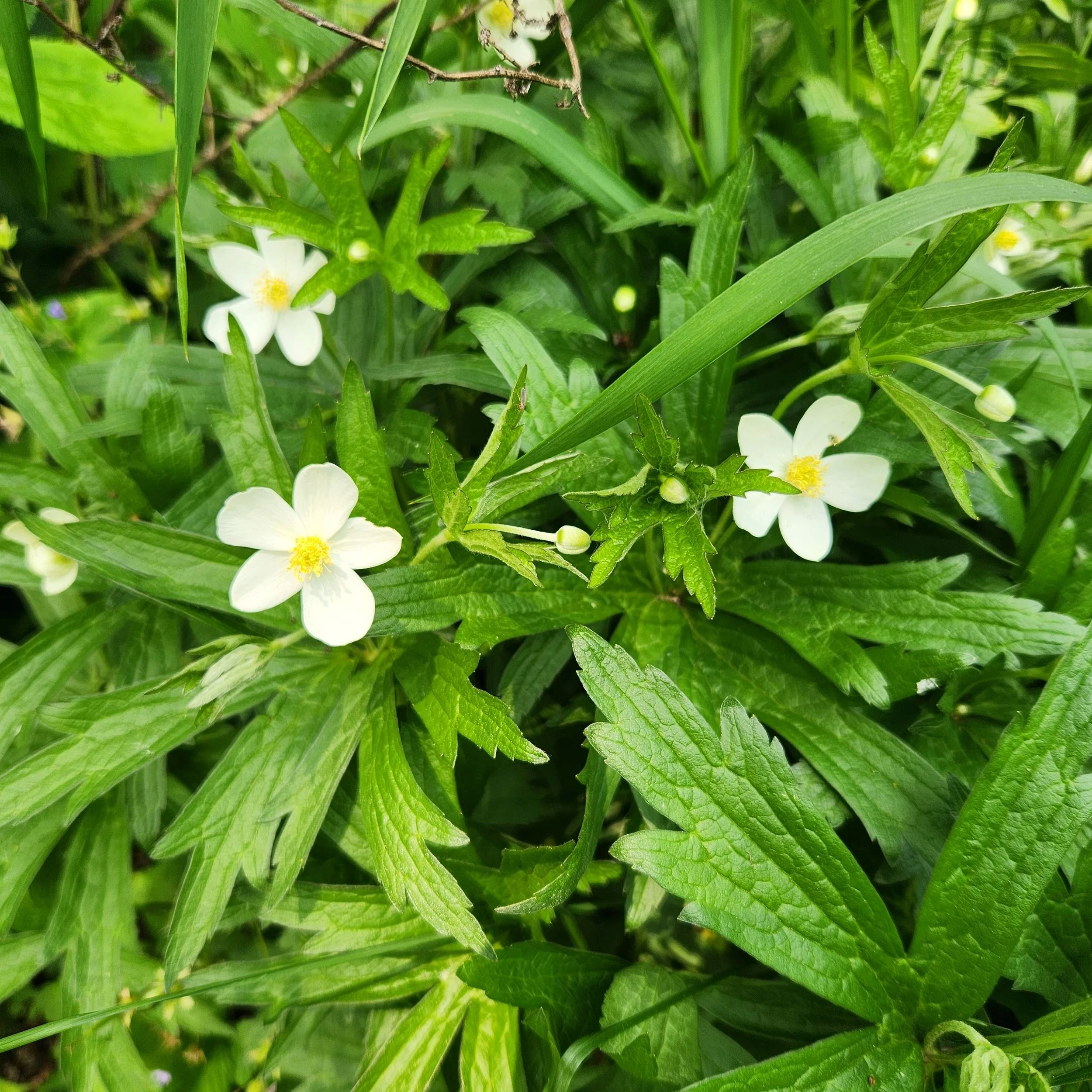
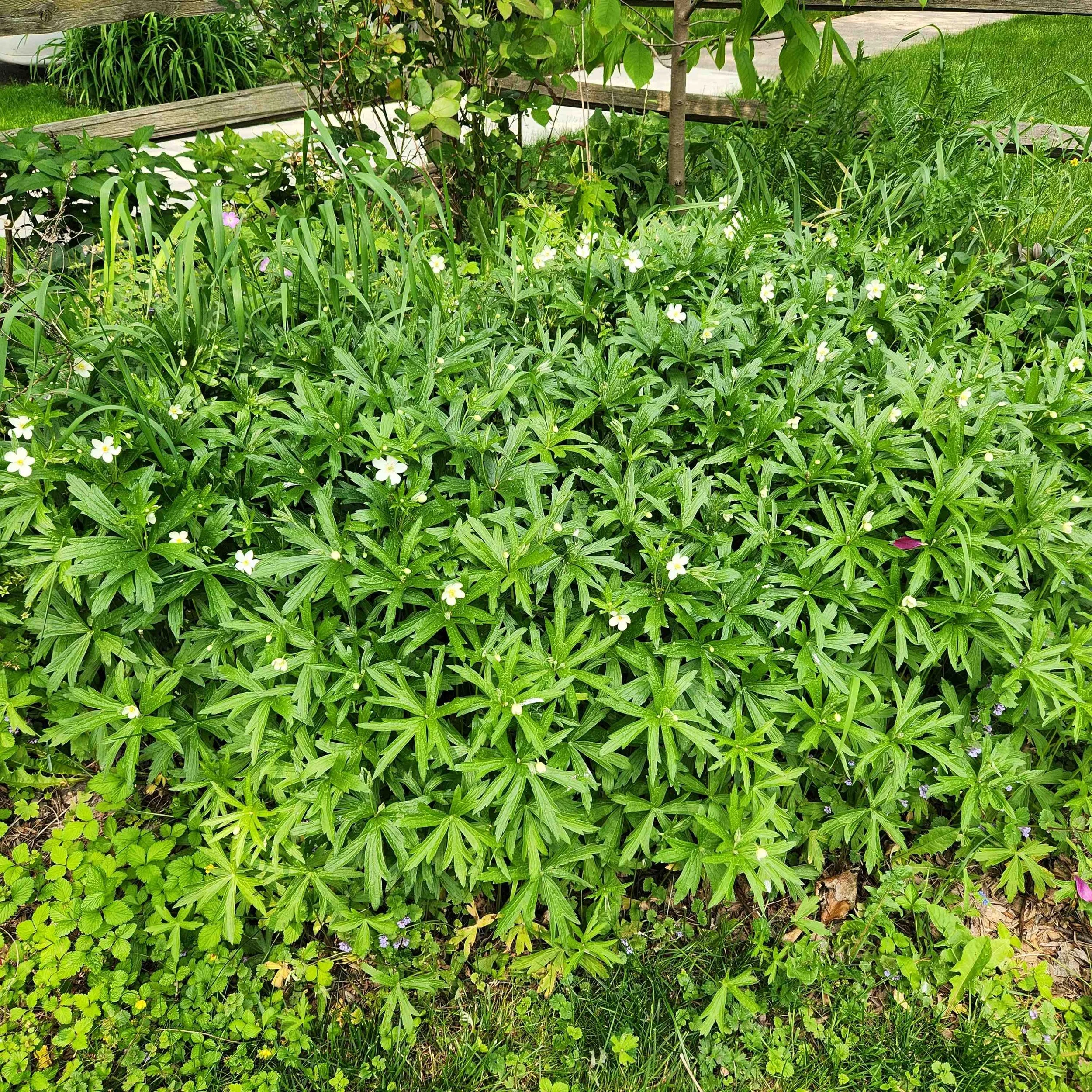
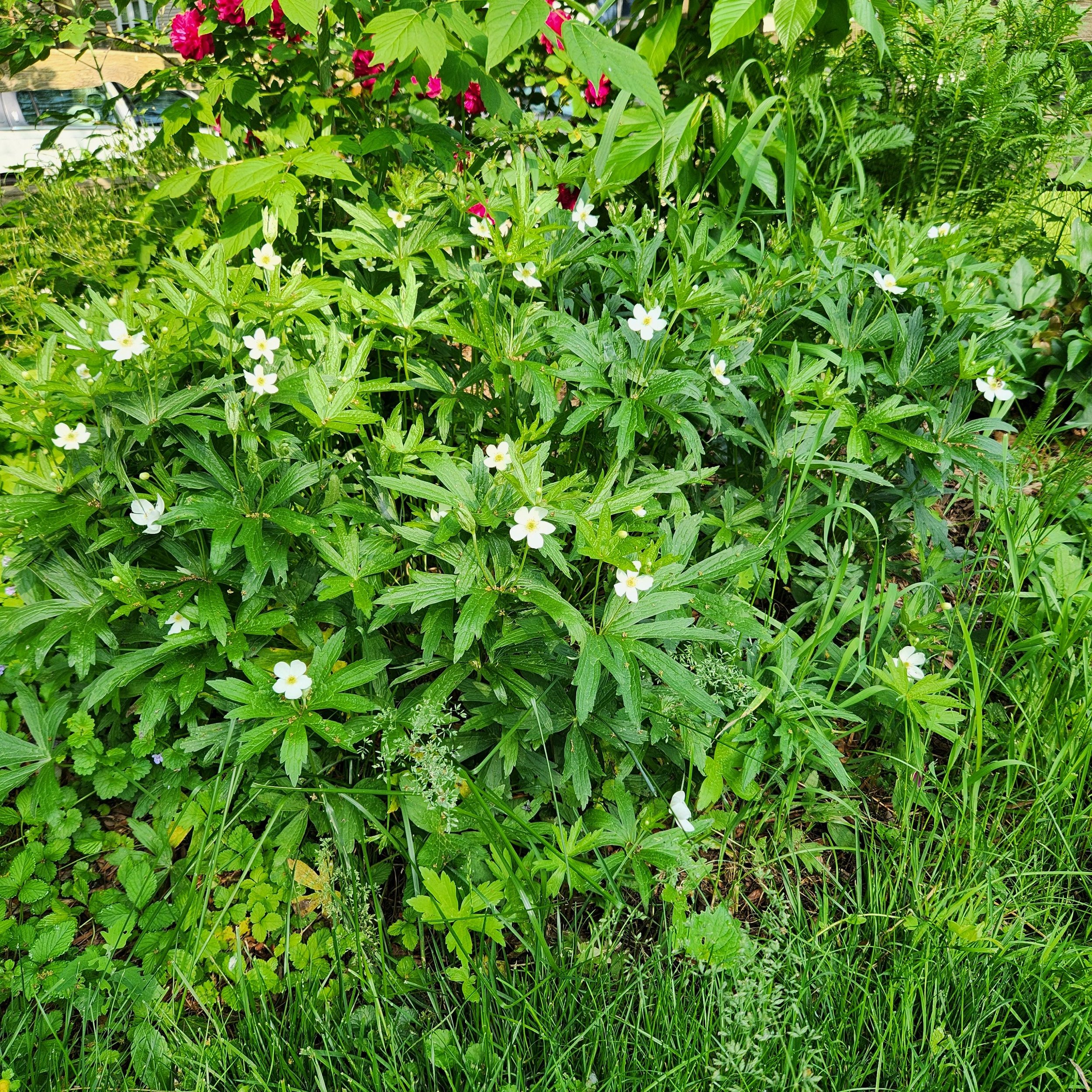
Image 1 of 3
 Image 2 of 3
 Image 3 of 3
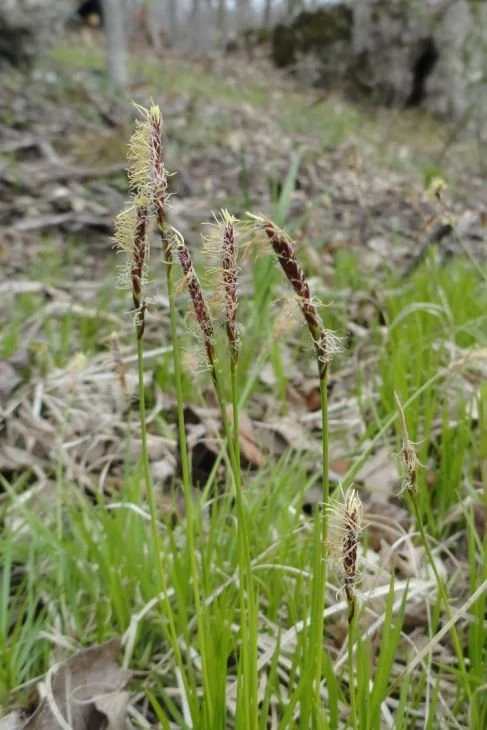
Carex muskingumensis, Muskingum Sedge
FS-Shade, Zone 4, Blooms July, 3’ x 2’, Medium wet - medium dry, deer resistant
Carex is a very large, complex genus with hundreds of species across the entire United States, with a high concentration of about 150 species located in the eastern region. Native carex species form the foundation of various ecosystems by offering essential food and shelter for wildlife, which helps sustain biodiversity. In summary they are an essential food source, provide habitat and shelter, the deep root systems stabilize soil, provides nesting materials and seeds for birds and overwintering spots for insects. Overall carex species support 36 species of moths and butterflies. Carex species can be planted in a wide range of conditions – FS to shade, wet to dry. They make a perfect ground cover.
Carex muskingumensis, commonly called palm sedge, is a dense, clump-forming sedge which is grown for its foliage effect. Produces rigid, erect stems to 20" tall with 8" long, pointed, grass-like, light green leaves radiating from the stem tops. Commonly called palm sedge since the leaves somewhat superficially resemble miniature palm fronds.
Easily grown in average, medium to wet soil in full sun to part shade. This species does well in some shade, but tends to flop in too much shade. Best in constantly moist, fertile soil, but will grow in shallow water (3-4" deep). Mass in moist, lightly shaded areas near ponds or streams. A good plant for the water garden. With regular watering, may be grown in borders, rock gardens and containers.
Container plants may be placed in shallow water to 4”. Grows well away from water, but soil must not be allowed to dry out. Cut to ground in winter. Plants slowly naturalize by rhizomes in optimum growing conditions.
We planted our first stand of this carex in the spring of 2022. It filled in perfectly and looks like it has been there for awhile. Wondering why it took us so long to learn about sedges!
Carex muskingumensis, Muskingum Sedge
FS-Shade, Zone 4, Blooms July, 3’ x 2’, Medium wet - medium dry, deer resistant
Carex is a very large, complex genus with hundreds of species across the entire United States, with a high concentration of about 150 species located in the eastern region. Native carex species form the foundation of various ecosystems by offering essential food and shelter for wildlife, which helps sustain biodiversity. In summary they are an essential food source, provide habitat and shelter, the deep root systems stabilize soil, provides nesting materials and seeds for birds and overwintering spots for insects. Overall carex species support 36 species of moths and butterflies. Carex species can be planted in a wide range of conditions – FS to shade, wet to dry. They make a perfect ground cover.
Carex muskingumensis, commonly called palm sedge, is a dense, clump-forming sedge which is grown for its foliage effect. Produces rigid, erect stems to 20" tall with 8" long, pointed, grass-like, light green leaves radiating from the stem tops. Commonly called palm sedge since the leaves somewhat superficially resemble miniature palm fronds.
Easily grown in average, medium to wet soil in full sun to part shade. This species does well in some shade, but tends to flop in too much shade. Best in constantly moist, fertile soil, but will grow in shallow water (3-4" deep). Mass in moist, lightly shaded areas near ponds or streams. A good plant for the water garden. With regular watering, may be grown in borders, rock gardens and containers.
Container plants may be placed in shallow water to 4”. Grows well away from water, but soil must not be allowed to dry out. Cut to ground in winter. Plants slowly naturalize by rhizomes in optimum growing conditions.
We planted our first stand of this carex in the spring of 2022. It filled in perfectly and looks like it has been there for awhile. Wondering why it took us so long to learn about sedges!