Amsonia tabermaemontana, Gallon pot
FS to PS, average to poor soil, blooms June - early August 3’ x 3’, deer resistant
This shrub variety is a navitar of A. tabermaemontana or Eastern Bluestar. Navitars are natural variants forund in the wild and brought into cultivation. In this case Storm Cloud was bred for the dark stems. We purchase bare root from Walter’s Gardens in Zeeland MI. The flower form is the same as the original A. tabermaemontana.
The dark-hued stems emerge in early spring and leaf out in a nice low forming clump. The light blue, somewhat silvery flowers open during a long bloom period. After the blooms fade. the shrub keeps it’s shape and nice foliage (see photo). The foliage turns yellow in the fall. This plant is part of the Dogbane family and the sticky sap inside the stems keeps deer and rabbits away.
It thrives in a wide range of growing conditions. This really is a carefree native shrub, once established. We planted three, for a mass bloom effect that occurs, when you really need to see blooms!
The flowers are tubular in shape and attract long-tongued Carpenter bees, Hummingbird Moths and Hummingbirds. Is a host plant for the Snowberry Clearwing Moth, Coral HairstreakButterfly, Spring Azure and the Northern Crescent Butterfly. That sticky white sap that keeps critters away also protects caterpillars from predators.
Amsonia tabermaemontana, Gallon pot
FS to PS, average to poor soil, blooms June - early August 3’ x 3’, deer resistant
This shrub variety is a navitar of A. tabermaemontana or Eastern Bluestar. Navitars are natural variants forund in the wild and brought into cultivation. In this case Storm Cloud was bred for the dark stems. We purchase bare root from Walter’s Gardens in Zeeland MI. The flower form is the same as the original A. tabermaemontana.
The dark-hued stems emerge in early spring and leaf out in a nice low forming clump. The light blue, somewhat silvery flowers open during a long bloom period. After the blooms fade. the shrub keeps it’s shape and nice foliage (see photo). The foliage turns yellow in the fall. This plant is part of the Dogbane family and the sticky sap inside the stems keeps deer and rabbits away.
It thrives in a wide range of growing conditions. This really is a carefree native shrub, once established. We planted three, for a mass bloom effect that occurs, when you really need to see blooms!
The flowers are tubular in shape and attract long-tongued Carpenter bees, Hummingbird Moths and Hummingbirds. Is a host plant for the Snowberry Clearwing Moth, Coral HairstreakButterfly, Spring Azure and the Northern Crescent Butterfly. That sticky white sap that keeps critters away also protects caterpillars from predators.
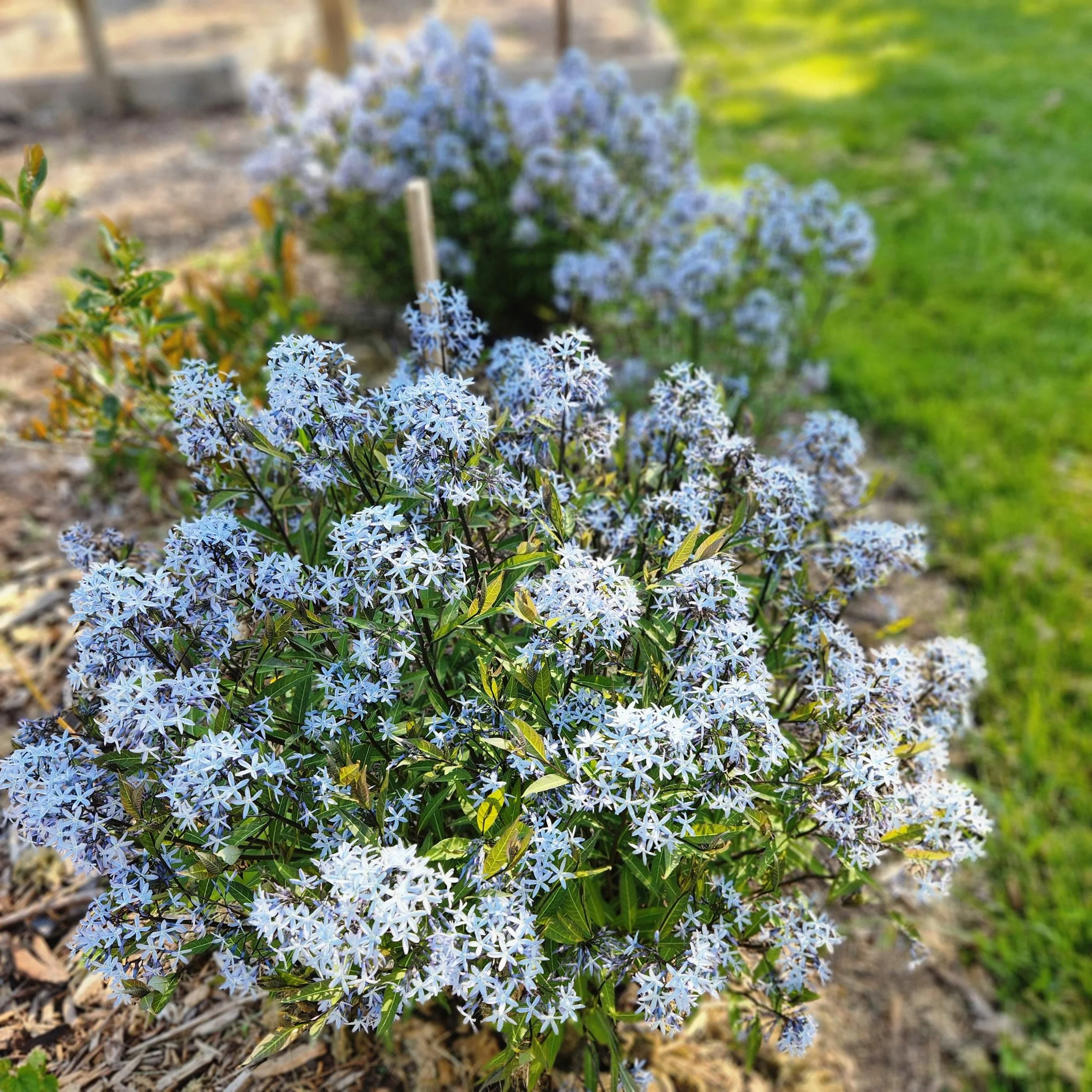 Image 1 of 12
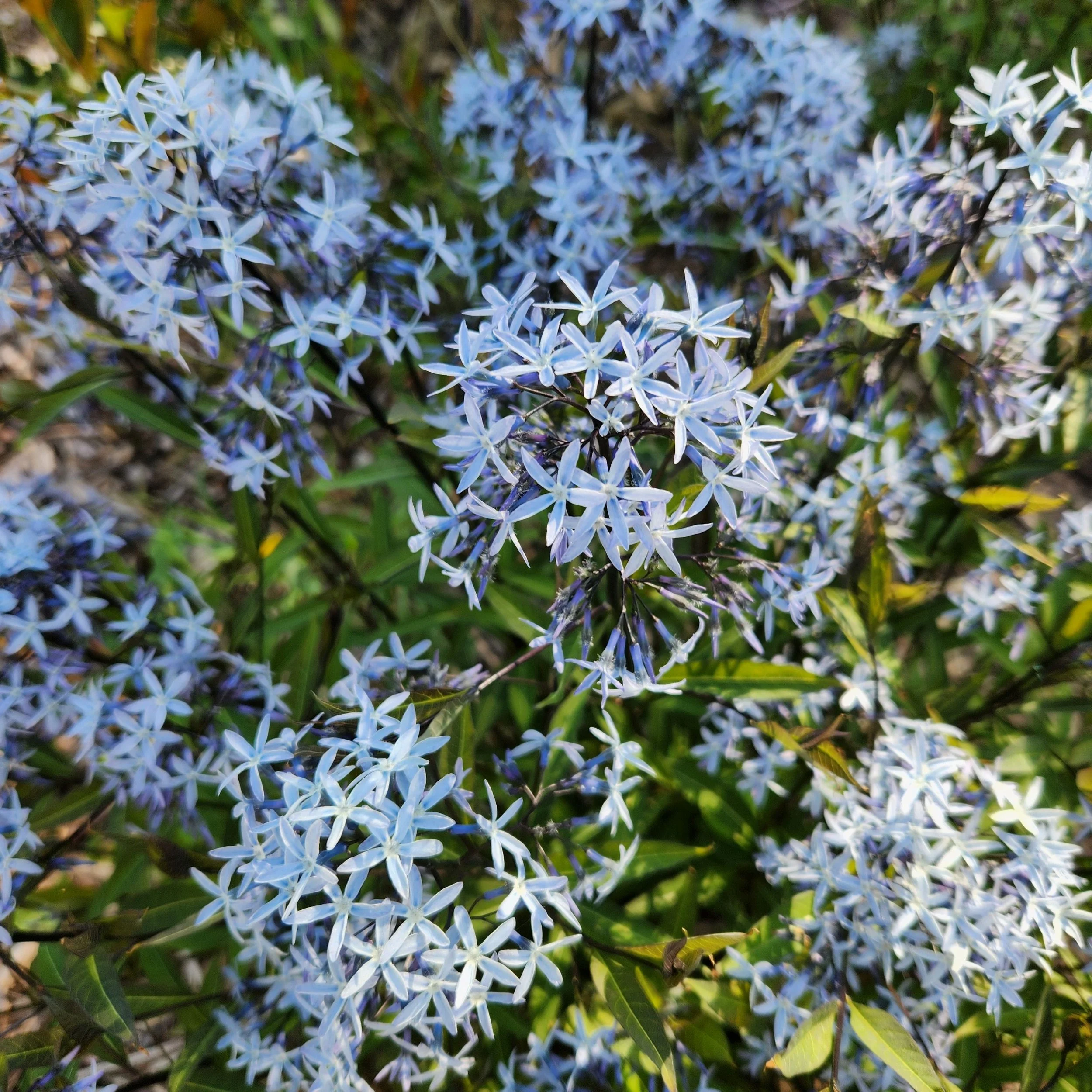 Image 2 of 12
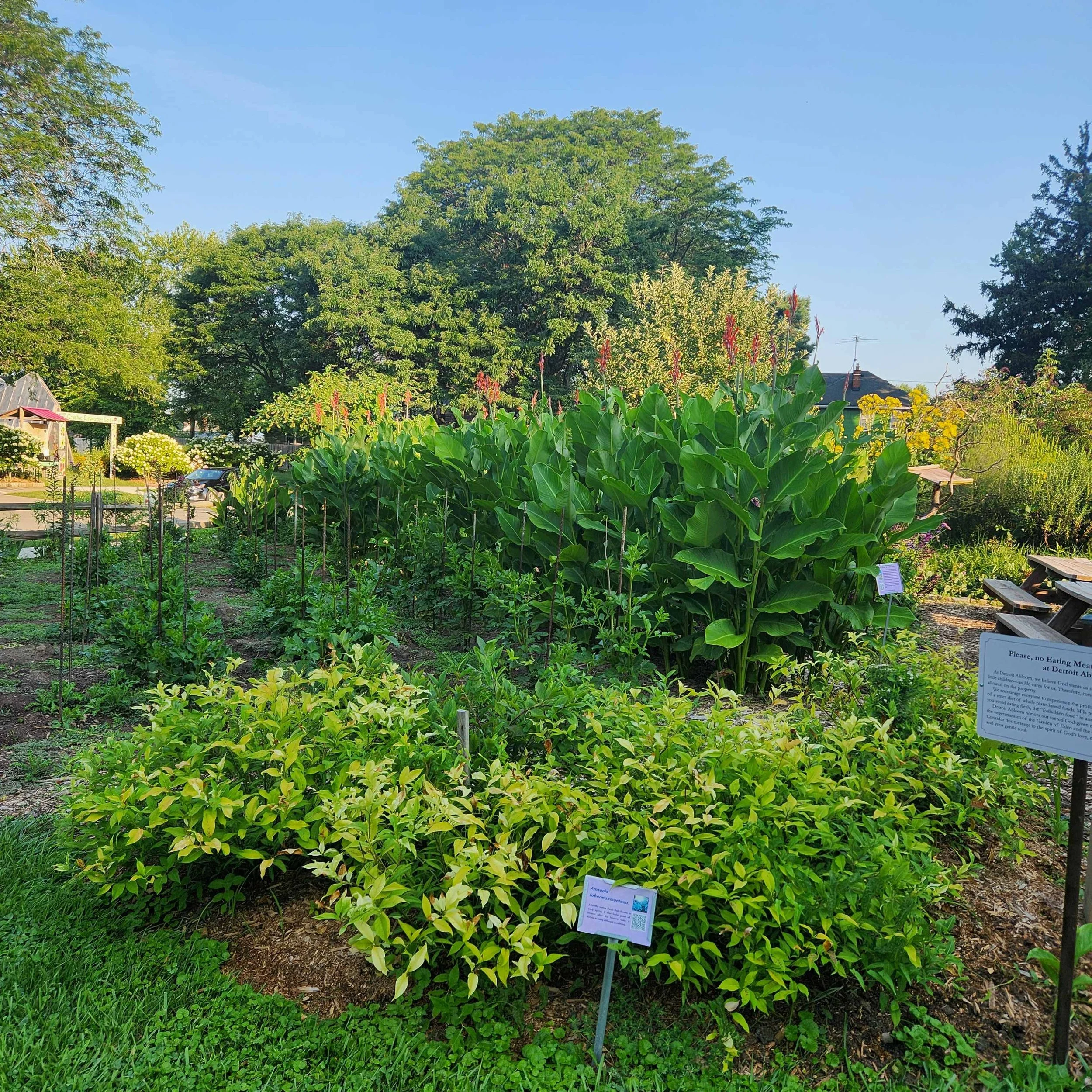 Image 3 of 12
 Image 4 of 12
 Image 5 of 12
 Image 6 of 12
 Image 7 of 12
 Image 8 of 12
 Image 9 of 12
 Image 10 of 12
 Image 11 of 12
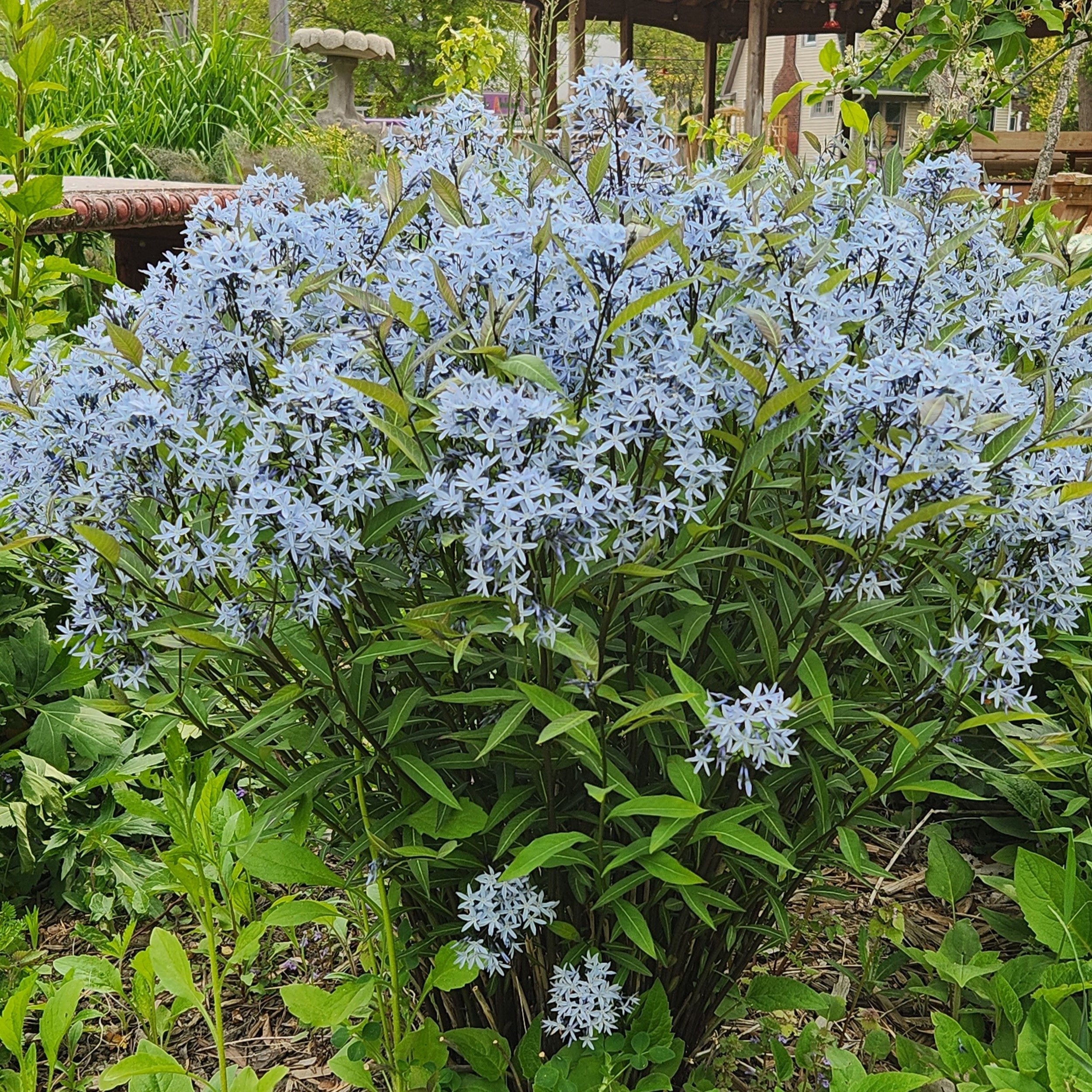 Image 12 of 12