 Image 1 of 3
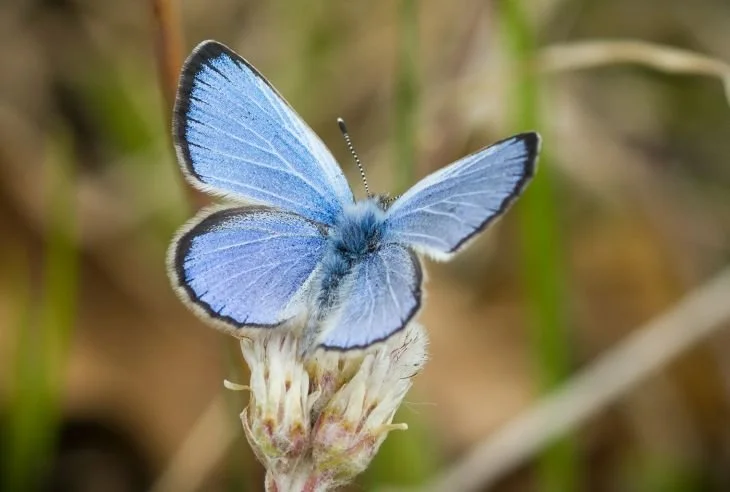 Image 2 of 3
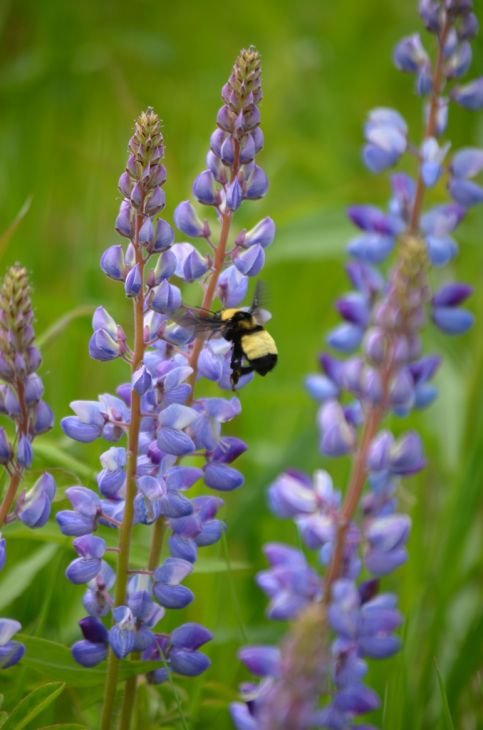 Image 3 of 3
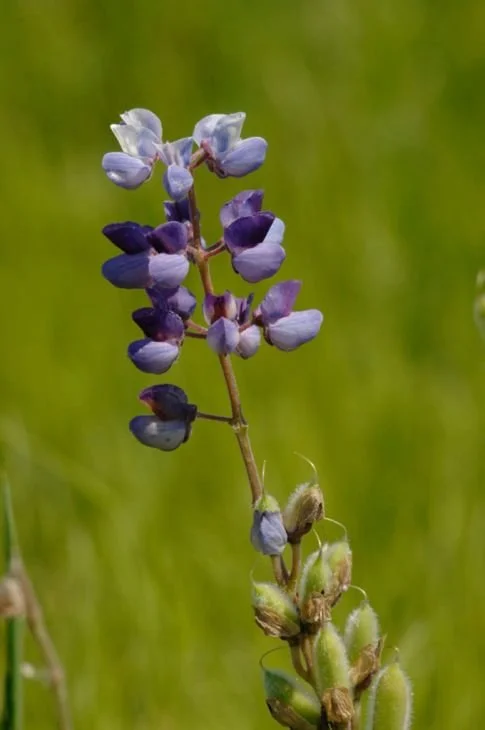
Lupinus perennis, Wild Lupine
FS-PS, Zone 3, blooms May-July, 2’ x 1.5’, medium-dry to dry
Wild Lupine is considered a threatened species in Michigan.
Wild Lupine is the sole host plant for the federally endangered Karner Butterfly (Lycaeides melissa samuelis). The range of the small 1” Karner butterfly was from west Wisconsin to the Atlantic. Today it is found in portions of New Hampshire, New York, Michigan, Wisconsin and Ohio. This plants native habitat was dry, sandy, open woods and barrens. Lost of habitat and climate change have brought about its endangered status. Because of the loss of habitat,Lupine, its larval host plant is only found in pockets. In addition, the Karners range and lupines range do not completely overlap. Click on the Karner Butterfly link above to learn more about their life cycle.
Also known as the Sundial Lupine. It was named after the town (Karner NY) where it was first recorded in 1944. It requires well-drained soil. As a legume, it has a symbiotic relationship with soil bacteria that allows it to convert atmospheric nitrogen into a form usable by other plants. This process improves the fertility of the nutrient-poor, sandy soils where it typically grows.
We may not be able to attract the Karner here in SE Michigan, but it is also the host plant for Wild Indigo Duskywing, Persius Duskywing, and several Sulphur species. Attracts bees and hummingbirds. It is important due to its very early bloom time.
Lupinus perennis, Wild Lupine
FS-PS, Zone 3, blooms May-July, 2’ x 1.5’, medium-dry to dry
Wild Lupine is considered a threatened species in Michigan.
Wild Lupine is the sole host plant for the federally endangered Karner Butterfly (Lycaeides melissa samuelis). The range of the small 1” Karner butterfly was from west Wisconsin to the Atlantic. Today it is found in portions of New Hampshire, New York, Michigan, Wisconsin and Ohio. This plants native habitat was dry, sandy, open woods and barrens. Lost of habitat and climate change have brought about its endangered status. Because of the loss of habitat,Lupine, its larval host plant is only found in pockets. In addition, the Karners range and lupines range do not completely overlap. Click on the Karner Butterfly link above to learn more about their life cycle.
Also known as the Sundial Lupine. It was named after the town (Karner NY) where it was first recorded in 1944. It requires well-drained soil. As a legume, it has a symbiotic relationship with soil bacteria that allows it to convert atmospheric nitrogen into a form usable by other plants. This process improves the fertility of the nutrient-poor, sandy soils where it typically grows.
We may not be able to attract the Karner here in SE Michigan, but it is also the host plant for Wild Indigo Duskywing, Persius Duskywing, and several Sulphur species. Attracts bees and hummingbirds. It is important due to its very early bloom time.