 Image 1 of 1
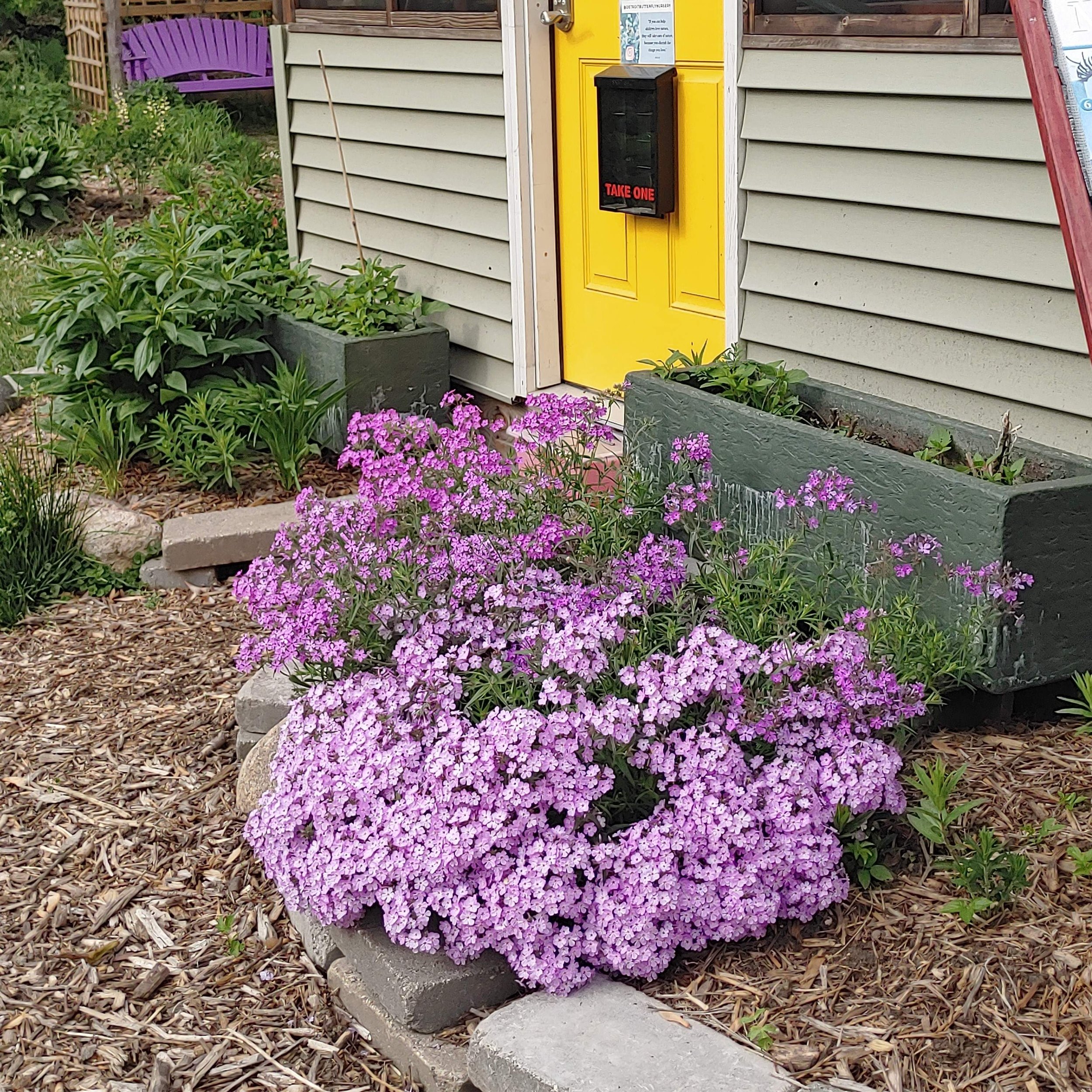
Phlox pilosa, Prairie phlox
FS-PS, Zone 3, blooms May-July, 2’ x 1’, medium wet to medium dry, sand to loam.
Is the larval host plant for 8 species of moths.
While it is an ecologically valuable native species, it does not meet the specific criteria used by experts like Doug Tallamy and the National Wildlife Federation to define "keystone" status in the United States. It may lack the official designation but it still provides critical early-season nectar for specialist miner bees. As a result it is considered a “niche” plant supporting pollinators.
This plant is often confused with Dame’s Rocket, which is an aggressive introduced species. The difference is that Prairie phlox has five petals per flower, whereas Dames Rocket has four. The flat, flared petals of Phlox pilosa act as an ideal landing platform for long-tongued pollinators like swallowtails and bee flies. Prairie Phlox grows best in full sun and is tolerant of dry conditions. An excellent plant for naturalized settings, its rhizomes spread slowly and its flowers are fragrant and long lasting.
Attracts native bees, butterflies, Clearwing Hummingbird moths and hummingbirds. The flower shape has a long corolla that restricts access to its nectar, which can be collected by long-tongued bees, butterflies, moths and hummingbirds. The five petal shape provides a perfect landing platform for butterflies who are the primary pollinator of prairie phlox. Small native bees feed on the pollen-rich anthers. Host plant for the Plox Moth.
Phlox pilosa, Prairie phlox
FS-PS, Zone 3, blooms May-July, 2’ x 1’, medium wet to medium dry, sand to loam.
Is the larval host plant for 8 species of moths.
While it is an ecologically valuable native species, it does not meet the specific criteria used by experts like Doug Tallamy and the National Wildlife Federation to define "keystone" status in the United States. It may lack the official designation but it still provides critical early-season nectar for specialist miner bees. As a result it is considered a “niche” plant supporting pollinators.
This plant is often confused with Dame’s Rocket, which is an aggressive introduced species. The difference is that Prairie phlox has five petals per flower, whereas Dames Rocket has four. The flat, flared petals of Phlox pilosa act as an ideal landing platform for long-tongued pollinators like swallowtails and bee flies. Prairie Phlox grows best in full sun and is tolerant of dry conditions. An excellent plant for naturalized settings, its rhizomes spread slowly and its flowers are fragrant and long lasting.
Attracts native bees, butterflies, Clearwing Hummingbird moths and hummingbirds. The flower shape has a long corolla that restricts access to its nectar, which can be collected by long-tongued bees, butterflies, moths and hummingbirds. The five petal shape provides a perfect landing platform for butterflies who are the primary pollinator of prairie phlox. Small native bees feed on the pollen-rich anthers. Host plant for the Plox Moth.